The golden city of Jaisalmer is often defined by its bustling sandstone fort and the vibrant hum of its narrow alleys, but the true soul of the Thar Desert reveals itself only when the crowds vanish. Seeking an escape from the typical tourist trail requires a specialized approach, often led by a seasoned tour operator in jaisalmer who understands that luxury isn’t always about silk sheets, but about the luxury of silence. Leaving the city behind, the landscape shifts from gravelly plains to the undulating, soft-sculpted dunes that characterize the deep desert. This is not the commercialized Sam Sand Dunes experience where the air is thick with the sound of speakers and quad bikes; this is an intentional journey into the stillness of Rajasthan’s vast arid heart.
The Allure of the Deep Thar Desert
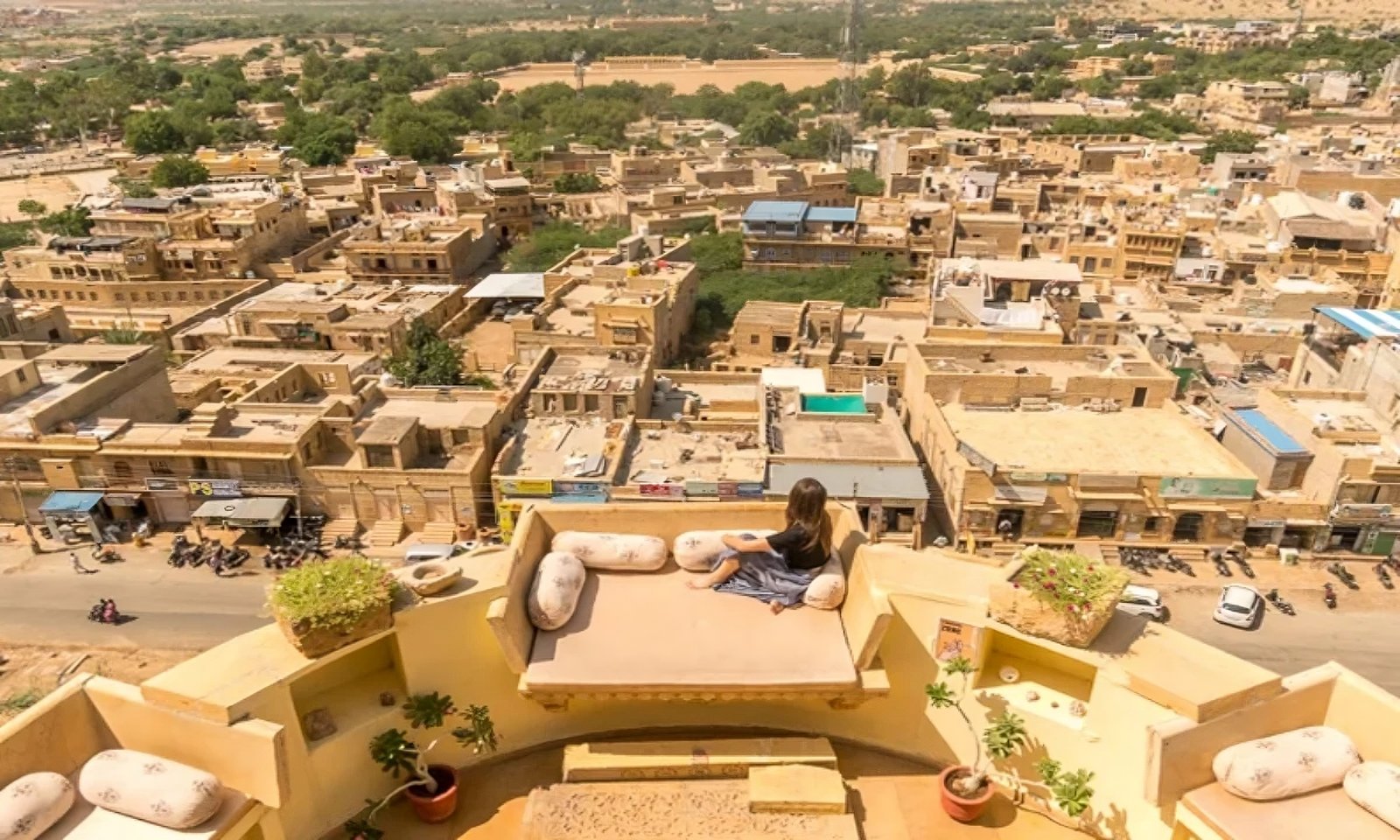
To appreciate the desert, one must first disconnect from the mechanical pulse of modern life. Most travelers arrive in Jaisalmer with a checklist of monuments, and while a Jaisalmer sightseeing tour provides essential historical context, the transition from the golden architecture of the city to the golden sands of the dunes is where the magic truly begins. Moving away from the high-traffic zones allows for a visceral connection with nature. The ripples in the sand, undisturbed by hundreds of footprints, tell a story of wind patterns and ancient migrations. In these secluded pockets of the Thar, the environment feels raw and ancient, offering a sense of perspective that is increasingly rare in our hyper-connected world.
Finding Solitude Beyond the Tourist Map
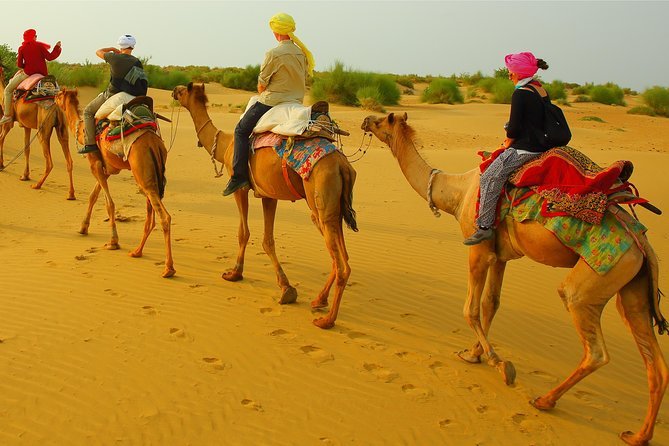
The secret to a private desert experience lies in the willingness to travel further. While the majority of visitors congregate in areas with permanent Swiss tents and cultural shows, a truly authentic night under the stars happens in the “non-touristic” zones. Choosing an Overnight Non Touristic Safari Jaisalmer means trading the amenities of a hotel for the authenticity of a campfire and a bed roll on the dunes. There is a profound difference between watching a sunset with five hundred people and watching it with only your camel driver and the horizon. As the sun dips, the sky goes through a dramatic transformation, shifting from a hazy gold to a deep, bruised purple, eventually settling into a velvet blackness that you can almost feel.
The Gastronomy of the Campfire
Dining in the middle of nowhere is an exercise in minimalism and mastery. Without the hum of a kitchen or the glow of electric lights, the preparation of a desert meal becomes a performance. Using dried desert wood and simple iron vessels, local guides whip up traditional Rajasthani dishes like Ker Sangri or a simple, hearty dal with handmade rotis. The smokiness from the fire infuses the food with a flavor that no five-star restaurant can replicate. Eating with your hands while seated on a rug, the sand cooling beneath you, creates a sensory link to the nomadic traditions that have defined this region for centuries. It is a reminder that the best experiences are often the most uncomplicated ones.
Architecture of the Night Sky
Once the fire dies down to glowing embers, the real show begins. In the deep desert, light pollution is non-existent, turning the sky into a high-definition celestial map. The Milky Way appears not as a faint smudge, but as a brilliant, textured river of light cutting across the heavens. For those used to urban environments, the sheer volume of stars is overwhelming. Constellations become easily identifiable, and shooting stars are a frequent occurrence rather than a rare event. Lying back on a traditional charpai or directly on a bedroll atop a dune, the silence is so profound that you can hear the soft shift of sand as the wind catches a ridge. This is the “private night” that travelers dream of—a moment of absolute peace where the only thing that matters is the rhythm of your own breathing.
Morning Gold and the Return to Reality
The desert at dawn is a completely different world from the desert at dusk. The air is crisp, almost chilly, and the light is soft and ethereal. Watching the first rays of the sun hit the peaks of the dunes, turning them from a cold grey to a warm, glowing orange, is a meditative experience. After a simple breakfast and a hot cup of masala chai, the trek back toward civilization begins. The transition back to the “Golden City” feels like returning from another dimension. You carry the stillness of the dunes back with you, a mental souvenir that lasts much longer than any trinket bought in the bazaar. Jaisalmer tour and travels specializes in bridging these two worlds, ensuring that while you see the landmarks, you also feel the soul of the sand.
Why Experience Matters in the Thar
Navigating the desert requires more than just a GPS; it requires an intimate knowledge of the terrain, the weather, and the local communities. True expertise is demonstrated by guides who respect the environment, leaving no trace behind and ensuring the safety of their guests in a landscape that can be as harsh as it is beautiful. Trust is built through these small details—the quality of the camels, the freshness of the water, and the choice of a campsite that truly offers privacy. For the traveler who seeks depth over surface-level sightseeing, the investment in a private desert night is an investment in a memory that remains vivid for a lifetime. It is the difference between seeing Jaisalmer and actually experiencing it.