Rajasthan is a land defined by its kaleidoscopic colors, yet no shade is as evocative or as deeply rooted in history as the indigo hues of Jodhpur. Often referred to as the “Blue City,” Jodhpur serves as the gateway to the Thar Desert and stands as a testament to the grandeur of the Marwar kingdom. For travelers seeking an authentic Rajasthani experience, booking a reliable taxi in jodhpur is the first step toward uncovering a city where medieval history breathes through every sandstone crevice. Unlike the bustling commercialism often found in Jaipur or the lakeside serenity of Udaipur, Jodhpur offers a raw, rugged beauty that positions it at the pinnacle of the state’s heritage scene.
The Architectural Majesty of Mehrangarh
Dominating the city’s skyline is the Mehrangarh Fort, a structure so imposing that Rudyard Kipling once described it as “the work of giants.” Rising 400 feet above the city, its thick walls hold stories of valor, sacrifice, and artistic brilliance. The fort is not just a monument; it is a living museum. As you wander through the Moti Mahal (Pearl Palace) and Phool Mahal (Flower Palace), you witness the peak of Marwari craftsmanship. The intricate carvings and expansive courtyards provide a tangible link to a past where the Rathore clan ruled with an iron fist and a golden heart.
Navigating the Azure Labyrinth of the Old City
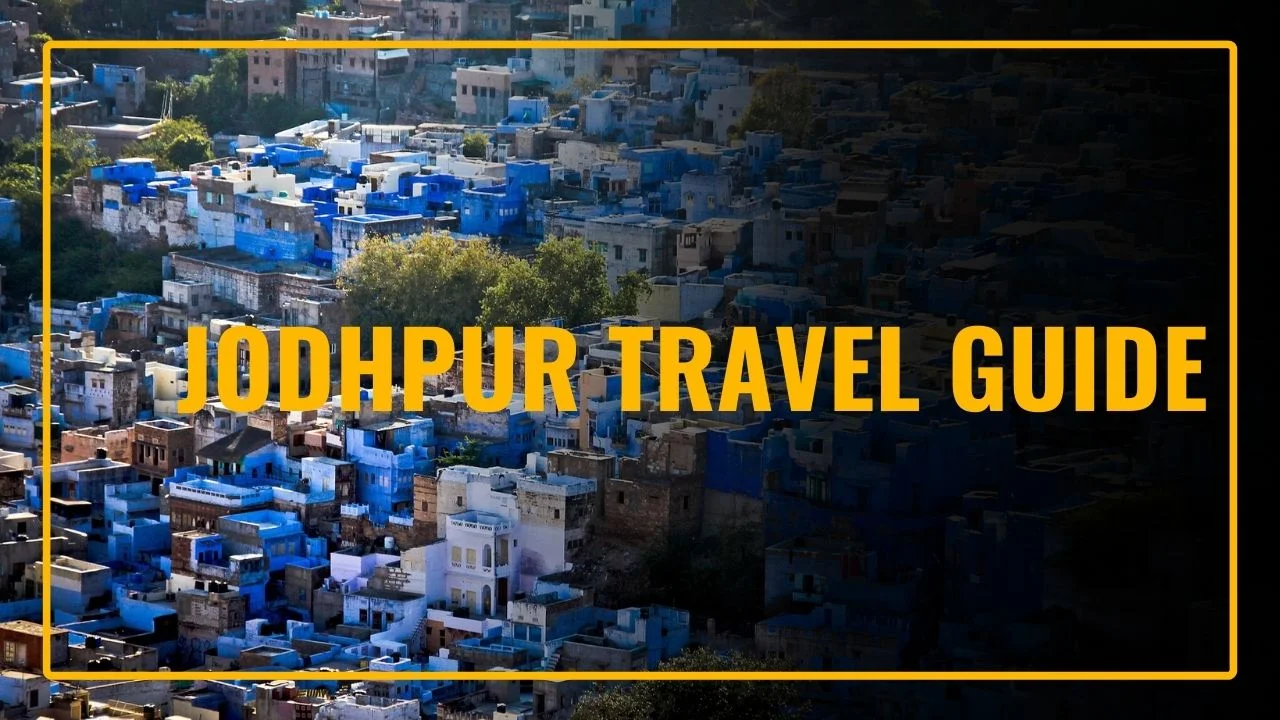
Below the fort lies a sea of blue houses that give the city its moniker. Originally, the blue color indicated the residence of Brahmins, though today it serves as a cooling mechanism against the scorching desert sun. Navigating these narrow, winding alleys requires local expertise and patience. The sensory experience here is unparalleled—the scent of fried Mirchi Bada wafting through the air, the chime of temple bells, and the vibrant displays of Bandhani fabrics. To truly grasp the essence of this layout, many travelers opt for a curated jodhpur sightseeing tour which allows them to see beyond the surface and discover hidden gems like the Stepwell of Toorji Ka Jhalra.
The Legacy of Umaid Bhawan Palace
Jodhpur’s heritage is not confined to the ancient era; it extends into the modern luxury of the 20th century. The Umaid Bhawan Palace, one of the world’s largest private residences, represents a transition in architectural thought. Built using palm-colored Chittar sandstone, it blends Art Deco styles with traditional Rajput design. A portion of the palace serves as a museum, showcasing royal vintage cars and clocks, while another part remains the home of the erstwhile royal family. This blend of living history and architectural evolution is what sets Jodhpur apart from other heritage destinations.
Beyond the City Walls: The Desert Spirit
The heritage of Jodhpur isn’t just found in its stone structures but also in its relationship with the surrounding desert. The Bishnoi villages on the outskirts offer a glimpse into a unique ecological lifestyle where the local community has protected nature for centuries. For those looking to embrace the wilder side of Marwar, embarking on a camel safari in Jodhpur provides a rhythmic journey across the golden dunes of Osian. These safaris are more than just a ride; they are a bridge to the nomadic traditions that have sustained the desert people for generations.
Jaswant Thada: The Marble Cenotaph
Often called the “Taj Mahal of Marwar,” Jaswant Thada is a serene white marble memorial built in 1899. It stands in stark contrast to the rugged brown basalt of the fort nearby. The thin sheets of marble are polished so finely that they emit a warm glow when illuminated by the sun. Surrounding the cenotaph are tiered gardens and a small lake, providing a tranquil escape from the city’s bustle. It is a place of reflection that highlights the artistic sophistication of the Jodhpur royals even in their funerary traditions.
The Culinary Heritage of Marwar
No discussion of Jodhpur’s heritage is complete without mentioning its culinary landscape. The food here is a reflection of the climate—resourceful, spicy, and incredibly rich. From the legendary Pyaaz Kachori at Janta Sweet Home to the decadent Makhaniya Lassi, the flavors are bold and unforgettable. The traditional Ker Sangri, made from desert beans and berries, tells a story of survival and adaptation. Dining in Jodhpur is an act of cultural immersion, where every bite is seasoned with centuries of tradition.
Why Jodhpur Stands Alone
The reason Jodhpur leads Rajasthan’s heritage scene is its consistency. While other cities have modernized rapidly, Jodhpur has managed to maintain a balance between growth and preservation. The Rao Jodha Desert Rock Park, for instance, shows a commitment to restoring the natural lithic landscape of the region. The city’s festivals, such as the Rajasthan International Folk Festival (RIFF) held at Mehrangarh, bring together global musicians to celebrate the local roots. It is this synergy of the old and the new, the rugged and the refined, that makes the Blue City an indispensable chapter in the story of India. Whether you are peering through the latticed windows of a haveli or watching the sunset over the desert horizon, Jodhpur offers a sense of timelessness that few other places can replicate. It remains a bastion of Rajputana pride, welcoming the world with open arms and a sapphire glow.