Choosing the right destination in India’s Land of Kings can feel overwhelming, given the sheer scale of heritage on display. Whether you are looking for a romantic lakeside retreat or a deep dive into medieval history, consulting an experienced Rajasthan tour operator is the first step toward a seamless journey. The state is a mosaic of colors, but three cities stand out as the ultimate trio for any first-time visitor or seasoned traveler. These hubs—Jaipur, Udaipur, and Jodhpur—capture the essence of Rajputana through their distinct architecture, local legends, and vibrant street life.
Jaipur: The Cosmopolitan Pink City
Jaipur serves as the flamboyant capital and the primary gateway for most travelers. Its nickname, the Pink City, comes from the terracotta pink hue painted across the Old City walls in 1876 to welcome the Prince of Wales. Today, Jaipur is a UNESCO World Heritage site where history feels alive in the bustling bazaars of Johari and Bapu.
- Amber Fort: This massive sandstone and marble complex sits atop a hill in Amer. The Sheesh Mahal (Mirror Palace) inside is a masterpiece of glasswork that glows under a single candle.
- Hawa Mahal: Known as the Palace of Winds, this five-story exterior resembles a honeycomb with 953 small windows designed for royal ladies to observe street festivals unseen.
- City Palace: Still a royal residence, this complex houses museums showcasing regal costumes and weapons.
For those who want to skip the logistics and dive straight into the grandeur, a Majestic Rajasthan Getaway Tour offers a curated path through Jaipur’s most iconic landmarks without the stress of navigating the city’s energetic traffic.
Udaipur: The Romantic Venice of the East
If Jaipur is the heart of Rajasthan, Udaipur is its soul. Surrounded by the ancient Aravalli Range and centered around shimmering lakes, Udaipur offers a softer, more poetic side of the desert state. It is widely considered the most romantic city in India, making it a favorite for honeymooners and luxury seekers.
- Lake Pichola: A boat ride at sunset is non-negotiable here. As the sun dips, the white marble of the Lake Palace appears to float on the water like a mirage.
- City Palace Udaipur: This is the largest palace complex in Rajasthan. Its balconies provide a panoramic view of the entire city and the lake.
- Saheliyon-ki-Bari: A lush garden built for the queen’s maidens, featuring marble elephants, lotus pools, and fountains that still operate using gravity rather than electricity.
Travelers looking for a more elevated experience often opt for a Luxury Rajasthan Tour to stay in converted summer palaces and enjoy private dining experiences that mirror the lifestyle of the Maharanas.
Jodhpur: The Rugged Blue City
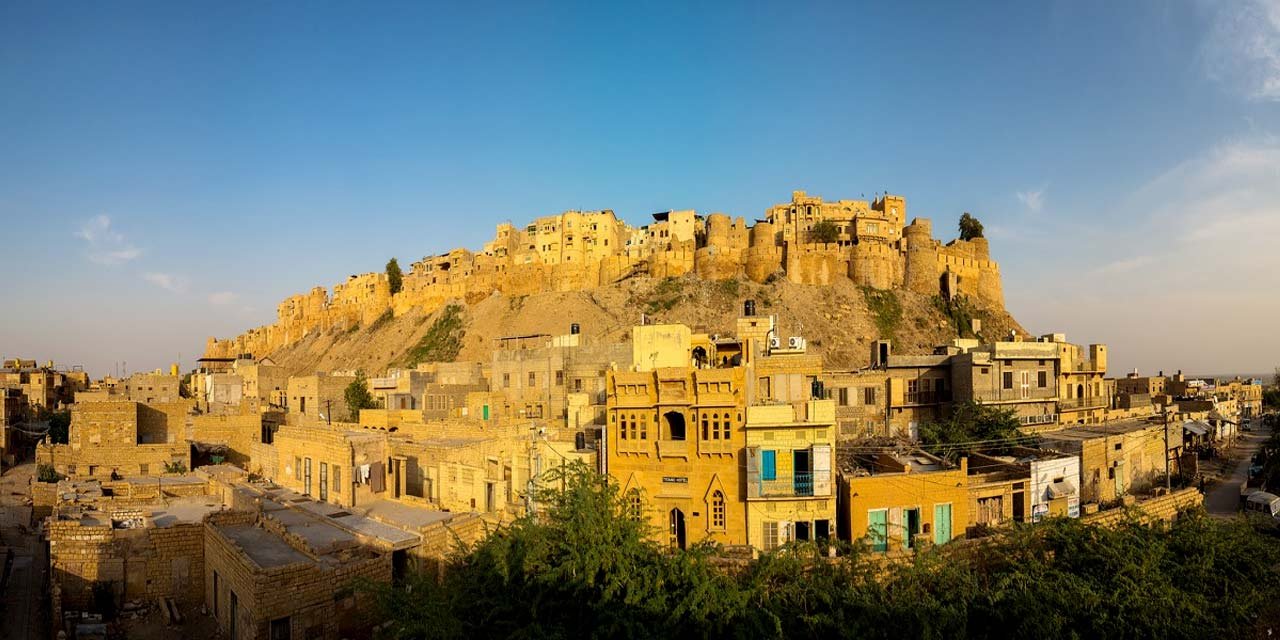
Sitting on the edge of the Thar Desert, Jodhpur is defined by its mighty Mehrangarh Fort, which looms over an ocean of indigo-painted houses. The Blue City is rugged, authentic, and offers a glimpse into the martial history of the Rathore clan.
- Mehrangarh Fort: One of the best-preserved forts in India. The museum inside holds a priceless collection of palanquins and royal cradles. For thrill-seekers, zip-lining over the fort’s battlements provides a unique perspective.
- Jaswant Thada: A peaceful marble cenotaph built in memory of Maharaja Jaswant Singh II. Its thin marble sheets are polished so finely that they emit a warm glow when hit by the sun.
- The Blue Streets: Wandering through the Navchokiya area allows you to see the traditional blue houses up close. Historically, the color indicated the home of a Brahmin, but it also helps keep the interiors cool during the scorching summer.
Planning Your Rajasthan Journey
Combining these three cities provides a balanced perspective of the state’s diversity. From the architectural precision of Jaipur to the aquatic beauty of Udaipur and the desert grit of Jodhpur, the “Ultimate Trio” ensures you see the very best of what the region has to offer.
The best time to visit is during the winter months (October to March) when the weather is pleasant enough to explore the forts on foot. During this time, the local markets are also at their most vibrant, filled with block-print textiles, blue pottery, and spicy street food like Pyaaz Kachori.
To make the most of your time, it is often recommended to spend at least two to three days in each city. This allows for a deeper connection with the local culture and enough time to discover hidden havelis that aren’t always on the main tourist maps.