
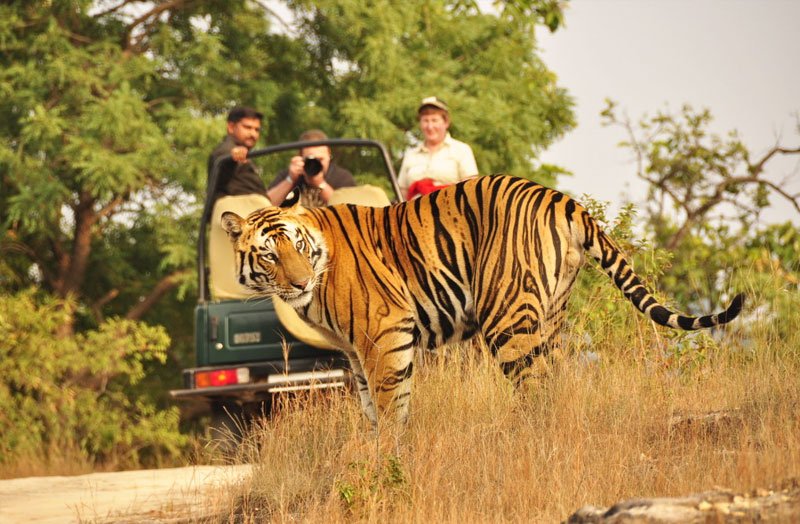
The rugged landscape of southeastern Rajasthan holds a magnetic pull for wildlife enthusiasts across the globe. Ranthambore is not merely a national park; it is a sprawling ecosystem where history and nature collide. From the crumbling battlements of the 10th-century Ranthambore Fort to the shimmering waters of Padam Talao, the terrain offers a visual feast. Many travelers beginning their journey from the Pink City find that a jaipur to ranthambore tour is the most seamless way to transition from urban royalty to the raw, untamed wilderness of the tiger’s lair. This journey marks the beginning of an immersion into one of India’s most successful Project Tiger reserves.
The Majestic Royal Bengal Tiger of Ranthambore
The primary draw of this destination is, undoubtedly, the Panthera tigris tigris. Unlike many other dense jungles in India, Ranthambore’s dry deciduous forests and open grassy meadows provide high visibility, making it one of the best places in the world to observe tigers in their natural habitat. These apex predators have become legendary here, with famous lineages like those of Machli, the “Queen Mother of Tigers,” making the park a focal point for wildlife documentaries. The sight of a tiger prowling through ancient stone gateways or lounging near a lake is an experience that stays with a visitor forever.
Navigating the Ranthambore Safari Zone System
To manage conservation efforts and visitor flow, the park is divided into specific areas. Choosing the right Ranthambore safari zone is a critical part of planning your trip. There are currently ten zones available to tourists. Zones 1 through 5 are considered the core areas and are historically the most popular for tiger sightings due to their proximity to water bodies and established territories. Zones 6 through 10, while newer, offer breathtaking hilly landscapes and unique bird-watching opportunities. Each zone is unique, featuring different topography ranging from steep hills to narrow valleys and plateau lands.
Biodiversity Beyond the Big Cats
While the tiger is the undisputed star, the biodiversity of Ranthambore is remarkably deep. The park is home to a significant population of leopards, which are often found in the rocky outcrops of the outskirts. Sloth bears, striped hyenas, sambar deer, and chital are frequently spotted during drives. For birders, the park is a paradise with over 300 species of birds, including the crested serpent eagle, painted stork, and bronze-winged jacana. The presence of the marsh crocodile in the lakes adds another layer of prehistoric intrigue to the safari experience.
Luxury Amidst the Wild
After a dusty day on the safari tracks, the quality of your stay can significantly impact your overall impression of the trip. Selecting a premium resort in ranthambore allows travelers to balance the ruggedness of the outdoors with the comfort of Rajasthani hospitality. A high-quality stay offers more than just a bed; it provides expert naturalists who can explain the nuances of animal behavior and eco-friendly amenities that respect the delicate balance of the surrounding environment. Trustworthy accommodation serves as a sanctuary where the stories of the day’s sightings are shared over a campfire.
The Cultural and Historical Significance
Ranthambore is unique because it blends natural history with human history. The Ranthambore Fort, a UNESCO World Heritage Site, stands tall on a hill overlooking the entire park. The fort houses the Trinetra Ganesha Temple, which attracts devotees from all over the country. Seeing the jungle through the lens of history—where ancient ruins serve as leopard dens and tigers walk the same paths as royalty once did—gives Ranthambore an authoritative edge over other wildlife destinations that lack such cultural depth.
Best Time to Visit and Safari Tips
The park is typically open from October to June. The winter months (October to March) offer the most pleasant weather for exploring, though the lush greenery can sometimes make spotting tigers slightly more challenging. For the most serious photographers and wildlife trackers, the hotter months of April, May, and June are preferred. As water sources dry up, tigers are frequently forced to visit the remaining water holes, leading to incredible sightings. It is always recommended to book safaris well in advance, as the number of vehicles permitted into each zone is strictly limited to ensure the animals are not distressed.
Commitment to Conservation and E-E-A-T
Experience in the wild is built on respect for the animal kingdom. At Ranthambore Tiger Resort, we believe in providing an authentic experience rooted in expertise. Our team understands the park’s dynamics, from the seasonal movements of the tigers to the subtle calls of the langurs that signal a predator’s approach. This deep-rooted local knowledge ensures that our guests don’t just see the forest, but truly understand it. Trustworthiness in safari tourism comes from ethical practices—maintaining distance from wildlife, following park regulations, and supporting local communities that live on the fringes of the reserve.
Conclusion
Ranthambore stands as a testament to India’s conservation success. It is a place where the wild still reigns supreme, and where humans are mere observers of a grand, ancient cycle. Whether you are a solo photographer, a family looking for adventure, or a couple seeking a unique getaway, the combination of world-class tiger sightings, rich history, and luxurious stays makes this destination unparalleled. By choosing the right tour and the right guides, your journey into the heart of the tiger’s territory will be both safe and transformative.