
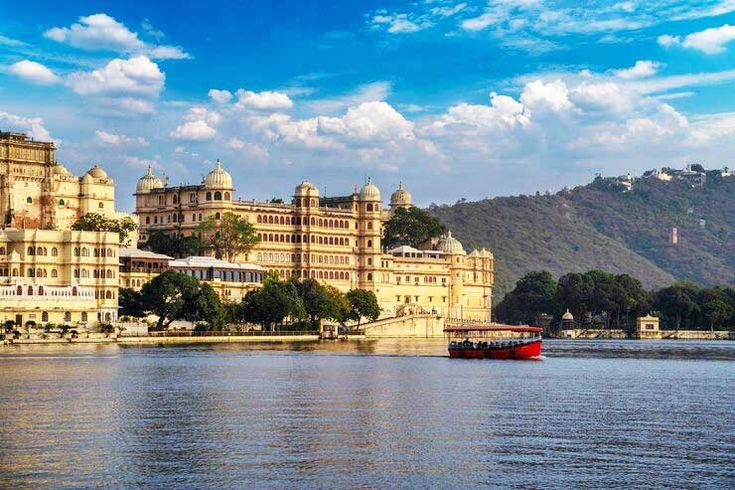
Udaipur’s title as the “City of Lakes” is not merely a poetic description; it is a recognition of one of the world’s oldest and most sophisticated water management systems. Founded in 1559 by Maharana Udai Singh II, the city was strategically designed around a network of interconnected lakes to ensure survival in the arid landscape of Rajasthan.
While exploring this “Venice of the East,” staying at a 5 Star Resort in Udaipur provides the perfect vantage point. Hilltop retreats like Bhairavgarh Resort & Spa offer a panoramic view of this entire hydrological marvel, letting you see how the palaces and waters coexist.
1. A Vision of Survival: The History
Unlike many cities that grew near natural rivers, Udaipur’s lakes are primarily man-made. The rulers of Mewar recognized that the Aravalli Hills created a natural basin. By constructing dams and canals, they captured monsoon runoff to create a permanent water source.
- Lake Pichola: Created in 1362 by a Banjara tribesman and later expanded by Maharana Udai Singh II, it is the oldest and most iconic lake in the city.
- The Interconnected System: The lakes are linked by a series of canals and overflow channels. When one lake reaches its capacity, the excess water flows into the next, preventing floods and maximizing storage—a 500-year-old engineering feat that still functions today.
2. The Seven Major Lakes
While there are many smaller water bodies, the title “City of Lakes” usually refers to the seven principal lakes that define the city’s geography:
| Lake Name | Significance |
| Lake Pichola | The heart of the city, housing the Lake Palace and Jag Mandir. |
| Fateh Sagar Lake | A local favorite with three islands and a vibrant promenade. |
| Udai Sagar Lake | Built for defense and irrigation, it marks the city’s eastern boundary. |
| Swaroop Sagar | A small but vital connector between Pichola and Fateh Sagar. |
| Doodh Talai | A small, scenic lake adjacent to Pichola, famous for its musical garden. |
| Badi Lake | Also known as “Tiger Lake,” it was built to counter famine and drought. |
| Jaisamand Lake | Located just outside the city, it is one of the largest artificial lakes in Asia. |
For those looking for the best hotel resort in udaipur, a location that offers views of multiple lakes from a single point—like the elevated decks of Bhairavgarh—is the ultimate luxury.
3. The “Venice of the East”
The nickname comes from the way the city’s architecture interacts with the water. Grand palaces like the City Palace were built on the ridges overlooking the lakes, while others, like the Lake Palace, appear to float directly on the water. This seamless integration of marble and blue water creates a romantic atmosphere that draws millions of travelers annually.
4. More Than Just Beauty: Ecology & Culture
The lakes are the lifeblood of Udaipur. They:
- Recharge Groundwater: Ensuring the city has drinking water even during dry years.
- Support Biodiversity: Hosting over 200 species of birds, including migratory visitors.
- Host Festivals: The banks of these lakes are the stages for vibrant celebrations like the Gangaur Festival and the Mewar Festival.
Choosing Your Lakeside Sanctuary
When searching for the best resort in udaipur, consider how you want to experience these waters. While lakeside hotels offer proximity, hilltop resorts offer the “Grand Vision.”
At Bhairavgarh Resort & Spa, we offer a specialized Honeymoon Room in Udaipur that allows couples to wake up to the sight of the sun rising over the distant lakes and the rugged Aravalli range. It is a view that explains, better than any book, why this city remains the crown jewel of Rajasthan.
Conclusion
Udaipur is called the City of Lakes because its history, its people, and its very survival are written in water. It is a testament to human ingenuity and a celebration of natural beauty.