The Thar Desert undergoes a complete transformation between October and March. Blistering summer temperatures yield to mild, sunlit days and crisp desert nights, creating ideal conditions for exploring the golden sandscapes of western Rajasthan. Planning a desert journey requires careful consideration of climate, regional culture, and outdoor comfort. For travelers seeking an authentic desert experience, winter offers the quintessential balance of comfortable sightseeing and vibrant cultural heritage.
The Perfect Desert Climate for Sightseeing
Summer in the Thar Desert frequently pushes temperatures past 45°C, making midday excursions practically impossible. Winter alters this landscape dramatically. Daytime temperatures typically hover between 18°C and 25°C, accompanied by clear blue skies and gentle breezes. This temperate window allows visitors to spend full days wandering through the sandstone alleys of the Jaisalmer Fort without the exhaustion brought on by intense desert heat.
Once the sun sets, desert temperatures dip to around 7°C to 12°C. This nocturnal chill is central to the desert charm. Evenings invite visitors to gather around traditional bonfires, bundle up under regional wool shawls, and watch the clear desert night sky illuminate with stars rarely visible near urban centers.
Unmatched Outdoor Thrills Across the Sand Dunes
The expansive dunes of Sam and Kanoi are best experienced when the sand is cool enough to navigate on foot or vehicle. During cooler months, travelers can partake in a wide range of adventure activities in Jaisalmer such as high-octane dune bashing in customized 4×4 vehicles, quad biking over shifting crests, and parasailing high above the desert horizon.
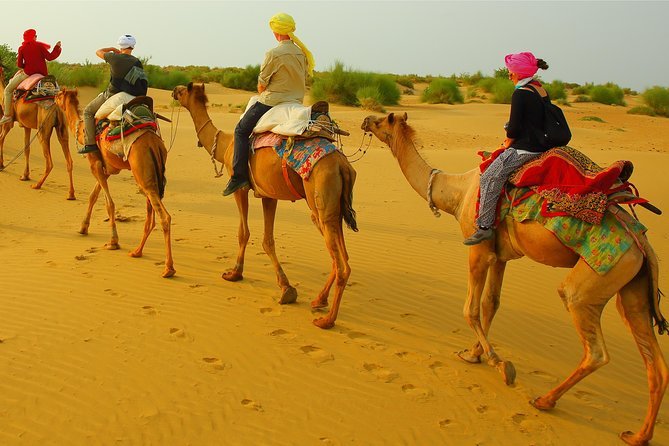
Camels, the iconic ships of the desert, also manage treks far more comfortably in mild temperatures. A sunset camel safari across ridged dunes provides insight into centuries of desert transit. Experienced local camel handlers guide routes off the standard tourist paths, sharing generational knowledge about navigating desert crests, reading natural wind ripples, and locating quiet vantage points to watch the sun drop behind the horizon.
Experiencing Desert Luxury and Tradition
Staying directly amid the dunes represents a quintessential highlight of visiting western Rajasthan. Modern travelers no longer have to compromise comfort to experience rural seclusion. Selecting premium accommodation like swiss tents in jaisalmer combines traditional Rajasthani craftsmanship with contemporary hospitality, offering insulated interiors, attached tiled washrooms, plush bedding, and private verandas designed to buffer against chilly desert winds.
Magra Desert Camp curates an environment centered on genuine hospitality and regional heritage. Guests arriving after an afternoon on the dunes are welcomed with ceremonial Dhol beats, fragrant marigold garlands, and hot cups of spiced masala chai. Dining in the desert is equally restorative during winter months. Traditional meals served around an open courtyard highlight classic Mewari and Marwari recipes:
- Freshly prepared Dal Baati Churma, rich with pure desi ghee to maintain body warmth
- Robust Ker Sangri cooked with wild desert beans and native berries
- Hand-rolled Bajra (pearl millet) rotis paired with fiery garlic chutney
- Sweet Gatte ki Sabzi simmered in lightly spiced yogurt gravy
These hearty culinary traditions originated specifically to nourish desert communities through cold winter periods, providing travelers with an authentic taste of local heritage.
Living Folklore and Starlit Cultural Evenings
Evenings at a dedicated camp in Jaisalmer center around the performing arts traditions preserved by local Manganiyar and Langa musicians. Sitting beneath an unpolluted night sky, guests experience live performances utilizing indigenous instruments like the Kamaicha, Khartal, and Sarangi.
The rhythm quickens as Kalbelia dancers, dressed in swirling black skirts accented with traditional mirror work, perform intricate acrobatics that mirror the movement of desert serpents. These performances represent living heritage rather than simple stage shows. Listening to these centuries-old ballads while seated near a crackling bonfire connects travelers to oral histories passed down across generations of desert dwellers.
Cultural Festivals and Historic Landmarks
Winter coincides with Rajasthan’s prime cultural calendar, most notably the Jaisalmer Desert Festival held annually in the Sam dunes. This vibrant celebration showcases regional traditions through turban-tying competitions, camel polo, folk recitals, and handicraft exhibitions that draw master artisans from remote surrounding villages.
Beyond the temporary festivities, the historical sites within the Golden City are far more accessible during this season:
- Jaisalmer Fort (Sonar Qila): One of the few living forts in the world, housing families, craft shops, and ancient Havelis within its ramparts.
- Patwon Ki Haveli and Salim Singh Ki Haveli: Remarkable clusters of residences featuring intricate sandstone jali (lattice) carvings created by master stonemasons.
- Gadisar Lake: A historic rainwater reservoir where migratory birds gather during winter months, framed by ornate yellow sandstone chhatris and shrines.
- Kuldhara Abandoned Village: An eighteenth-century heritage site offering a glimpse into the architectural ingenuity and sudden departure of the Paliwal Brahmins.
Exploring these monuments requires extensive walking across cobblestones and steep terraces, an undertaking made comfortable by crisp winter air.
Planning Tips for a Winter Desert Excursion
To ensure an optimal journey to the Thar Desert, keep these practical travel tips in mind:
- Layered Clothing: Pack breathable cotton shirts for daytime exploration alongside thermal base layers, heavy sweaters, and windbreakers for night temperatures.
- Sun Protection: Desert UV rays remain potent in winter; carry wide-brimmed hats, UV-blocking sunglasses, and broad-spectrum sunscreen.
- Advance Bookings: The winter months represent the peak season across western Rajasthan. Secure accommodations, desert safaris, and transport well ahead of departure dates.
- Adequate Hydration: Desert air is dry; keep water and electrolyte fluids on hand throughout daily excursions.
Winter remains the ideal season to encounter the grandeur of the Thar Desert. The combination of temperate weather, rich folklore, energetic desert sports, and restful nights under clear skies creates a travel experience that defines Rajasthan at its finest.