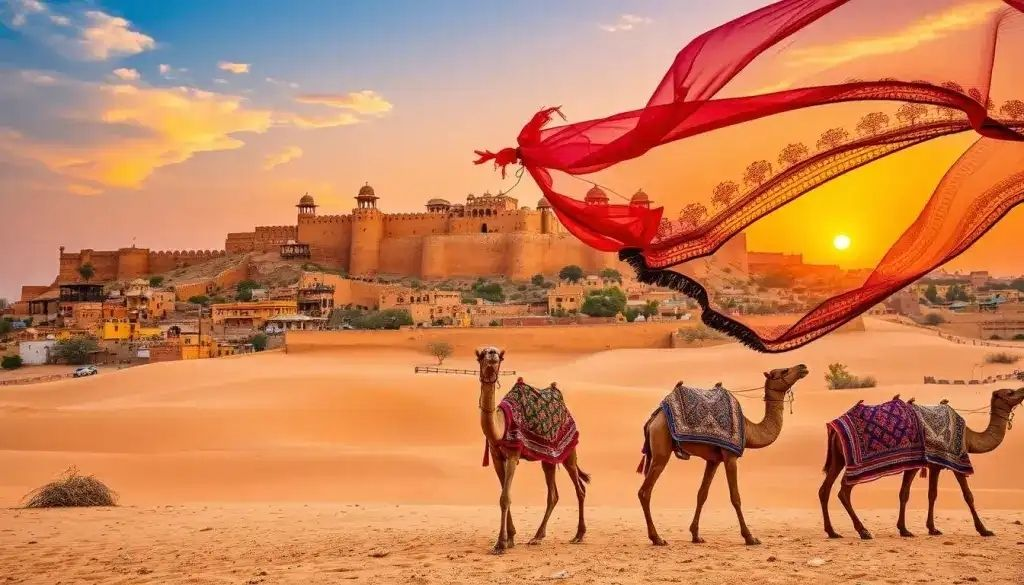

Pushkar is a rare sanctuary where sacred devotion meets the rolling sands of the Thar desert. Nestled beside the rugged Aravalli hills, this timeless pilgrimage town presents an evocative tapestry of ringing temple bells, incense-laden ghats, and vibrant desert culture. For travelers seeking cultural authenticity and spiritual depth, planning a two-day excursion offers a balanced perspective on its most revered sites and outdoor adventures. Choosing a seasoned Rajasthan travel agency ensures smooth logistics, cultural context, and dependable local arrangements throughout this iconic journey.
Day One Morning: The Divine Aura of Jagatpita Brahma Temple
Begin your first morning early by heading toward the sacred epicenter of the town: the Jagatpita Brahma Temple. Pushkar is universally celebrated for housing one of the few prominent temples dedicated to Lord Brahma in the world. Built upon a raised platform with distinctive red spires and marble steps, the sanctum sanctorum houses a four-faced idol of the creator deity alongside his consort Gayatri.
Devotees arrive from all corners of the world at sunrise, bringing offerings of marigold garlands and rose petals. Stepping past the silver coin-inlaid floor of the entrance hall, you witness the resonance of morning aartis and traditional Vedic chants. Visiting early in the day allows you to experience peaceful contemplation before large pilgrim gatherings arrive. Local priests share folklore narrating how Lord Brahma dropped a lotus petal here, causing a sacred spring to emerge that gave birth to the sacred lake.
Day One Afternoon and Evening: Pushkar Lake and the Sacred Ghats
After paying homage at the Brahma temple, proceed down the winding alleys toward Pushkar Lake. The water body is encircled by 52 historic ghats, each bearing distinct architectural characteristics and mythological significance. Brahma Ghat and Varaha Ghat serve as central focal points for spiritual rituals, ancestral offerings, and holy dips believed to purify the soul.
As twilight descends, make your way to Varaha Ghat or Brahma Ghat to attend the evening Maha Aarti. The reflection of hundreds of floating earthen lamps illuminates the gentle rippling waters. Chants, rhythmic conch shell blowing, and copper lamp flames produce a profound sensory experience. Respectful observation of these customs offers visitors an authentic understanding of Rajasthan’s living spiritual heritage, a highlight typically experienced on an immersive Rajasthan temples tour.
Day Two Morning: Panoramic Views from Savitri Temple
Commence your second day with an invigorating hike up Ratnagiri Hill to witness the sunrise at Savitri Temple. Dedicated to Lord Brahma’s first wife, Goddess Savitri, this hilltop shrine commands an unobstructed 360-degree vista of Pushkar town, the surrounding lakes, and the vast desert plains.
Travelers can ascend the stepped path, which takes roughly forty-five minutes of steady climbing, or opt for the convenient ropeway cable car. Upon reaching the summit, the crisp morning desert breeze and the sweeping sight of dawn breaking over the Aravalli mountain range reward early risers. The quiet atmosphere at the peak invites introspection before descending to explore local bazaars filled with traditional rose perfumes, silver jewelry, and handcrafted textiles.
Day Two Afternoon and Sunset: Camel Rides Across the Pushkar Sand Dunes
No exploration of this desert haven is complete without venturing into the golden sand dunes that surround Pushkar. During the mid-afternoon, mount a camel or take a colorful camel cart ride toward the desert tracks. Experienced camel handlers lead you through rural hamlets, providing glimpses of rustic desert life and traditional Rajasthani huts along the sandy paths.
As late afternoon transitions to dusk, the dunes take on warm amber hues. The slow rhythm of the camel gait and the calm expanses away from the bazaar bustle offer a tranquil escape. Sitting atop a scenic dune watching the sun sink below the desert horizon provides a classic perspective on the desert landscape. Incorporating this journey into an expansive Rajasthan heritage tour ensures a comprehensive cultural circuit that spans ancient towns, palaces, and sacred pilgrim paths.
Practical Travel Tips for Your Pushkar Visit
To make the most of your two days in Pushkar, consider these essential travel recommendations:
- Respect local customs by dressing modestly, covering shoulders and knees when visiting sacred shrines and lake areas.
- Remove footwear at designated points before entering any ghat or temple premises.
- Always settle the price of camel rides and desert excursions beforehand with licensed tour handlers.
- Stay hydrated, carry sun protection, and plan strenuous uphill walks during cooler morning hours.
- Keep your belongings secure in crowded marketplace alleys and temple courtyards.