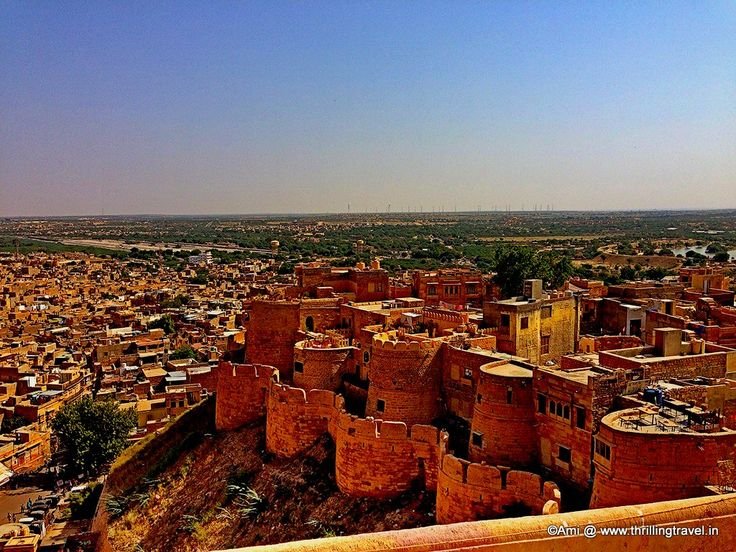
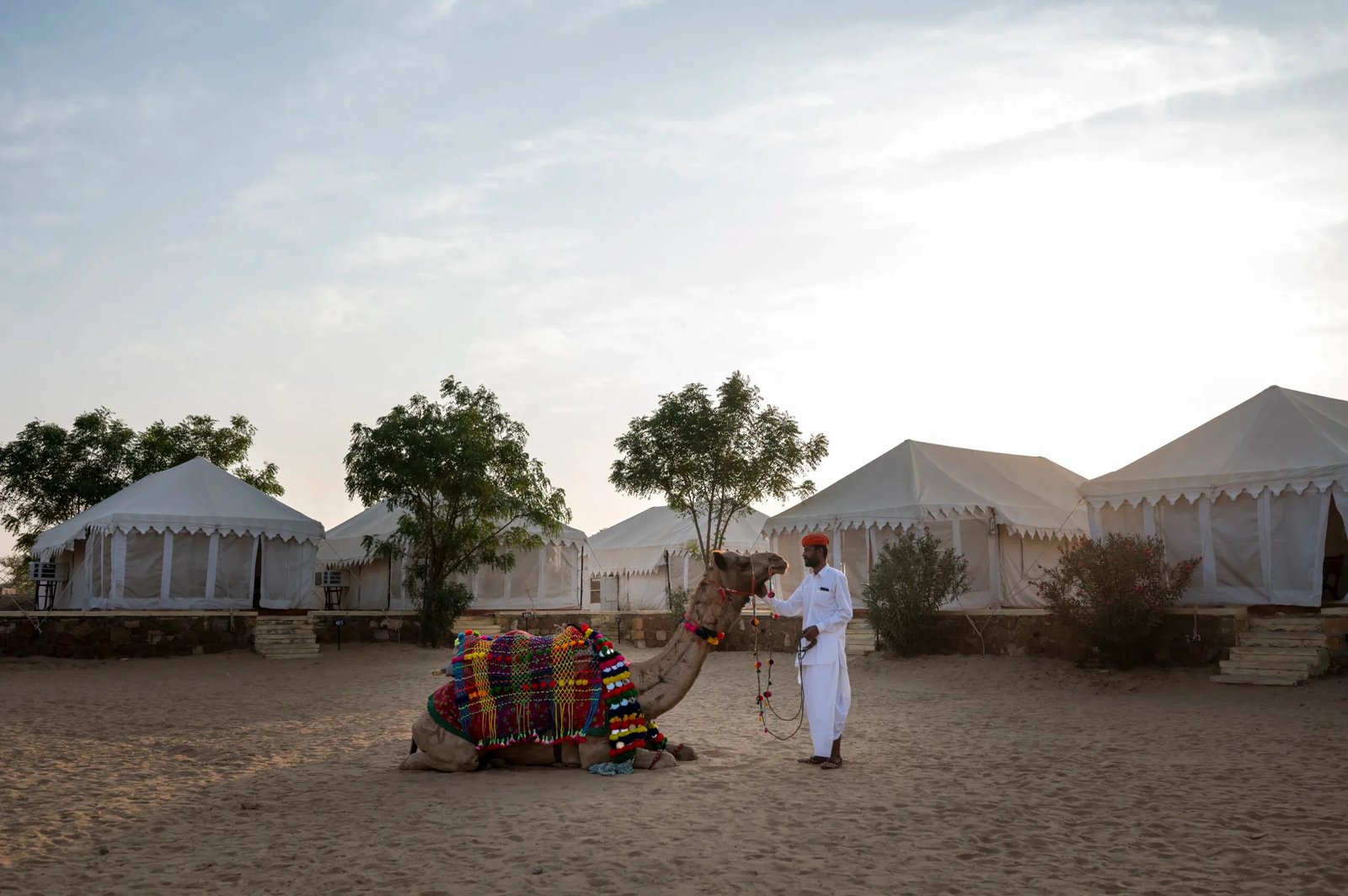
Embarking on an overnight desert safari in the Thar Desert is a journey characterized by vast horizons, shifting gold-hued ridges, and crystalline nighttime skies. For travelers seeking an authentic wilderness excursion, staying at well-managed camps in Jaisalmer bridges the gap between rugged frontier terrain and traditional Rajasthani hospitality. However, traversing arid landscapes requires deliberate forethought. Proper preparation guarantees that your remote desert retreat remains both comfortable and secure from sunset to dawn.
Understanding the Thar Desert Climate and Packing Essentials
Desert weather presents distinct thermal extremes. The arid microclimate causes rapid surface cooling as soon as the sun dips below the horizon, creating a stark contrast between daylight and night hours. Understanding these environmental shifts is fundamental for assembling an efficient gear list.
Pack breathable, loose-fitting cotton clothing during the daytime to reflect ultraviolet radiation and minimize moisture loss. Long sleeves and lightweight trousers protect exposed skin against airborne sand and intense sun rays. When dusk approaches, temperatures decline steeply. You must pack an insulated jacket, a fleece pullover, thermal innerwear, and a wool cap. A traditional cotton scarf or keffiyeh serves as a versatile barrier to shield your neck, mouth, and ears against gusts of wind. Sturdy closed-toe footwear with traction prevents hot sand and desert burrs from penetrating your soles while navigating loose crests. Pack a personal medical kit containing electrolyte rehydration salts, adhesive bandages, broad-spectrum sunscreen, protective lip balm, and personal prescription medication.
Dune Safety and Desert Excursion Protocols
The dynamic nature of moving sand dunes calls for caution, particularly during vehicular transitions and off-road exploration. Sand tracks fluctuate constantly under the influence of regional wind currents, demanding certified navigation and proper safety equipment.
When participating in dune bashing, quad biking, or parasailing, always verify that your operators provide inspected safety harnesses, sturdy helmets, and certified local drivers. For thrill-seekers looking to partake in Jaisalmer adventure activities, relying on licensed local guides ensures that recreational sports adhere strictly to recognized regional safety standards. If embarking on camel treks, mount and dismount slowly while leaning slightly back to counterbalance the animal’s sharp two-stage rising motion. Maintain a firm grip on the saddle pommel, and avoid wearing dangling accessories that could catch on equipment or startle the animal. Stay on demarcated sand corridors rather than wandering over ridge edges, where loose silt can trigger minor slides or disorient travelers after twilight.
Hygiene, Hydration, and Culinary Well-Being
Maintaining hydration in hyper-arid zones is a critical safety consideration. The dry wind accelerates sweat evaporation, often masking the initial stages of fluid depletion. Drink small amounts of purified, bottled water frequently throughout the day rather than consuming large volumes intermittently.
Ensure all drinking water comes from sealed containers. High-quality camps prioritize reverse-osmosis filtration and clean kitchen protocols. To prevent gastrointestinal discomfort, consume freshly prepared hot meals dominated by indigenous recipes, cooked lentils, and fresh flatbreads. In the evening, indulging in a secluded dinner on dunes Jaisalmer delivers an ambient open-air dining setting beneath the constellations. When dining outdoors, confirm that foods remain covered prior to serving to prevent airborne dust contamination, and use personal sanitizing wipes before eating.
Camp Security, Wildlife Awareness, and Responsible Tourism
A dependable desert camp enforces structural protocols to safeguard guests against natural elements and rare nocturnal fauna. Understanding camp infrastructure helps visitors remain secure while respecting the delicate desert ecosystem.
- Remain strictly within illuminated pathways after nightfall, and carry a compact, high-output torch or headlamp when navigating between your personal tent and shared recreational facilities.
- Inspect the interior of your footwear and shake out bedding before retiring, as small arachnids or harmless sand insects occasionally seek warm, sheltered crevices during cool night cycles.
- Secure tent zips completely upon entering or exiting your living quarters to prevent windborne sand accumulation and stray insects from penetrating interior spaces.
- Maintain a respectful physical distance from native fauna such as desert foxes, monitor lizards, and migratory raptors, and never discard discarded food remnants outside designated waste bins.
Ethical desert camping relies on a Leave No Trace methodology. Carry all non-biodegradable trash, including plastic caps and wet wipes, back to designated municipal disposal stations. By balancing situational vigilance with local knowledge, an overnight safari at Rajwada desert Camp transforms an unpredictable wilderness landscape into an unforgettable memory of Rajasthan.