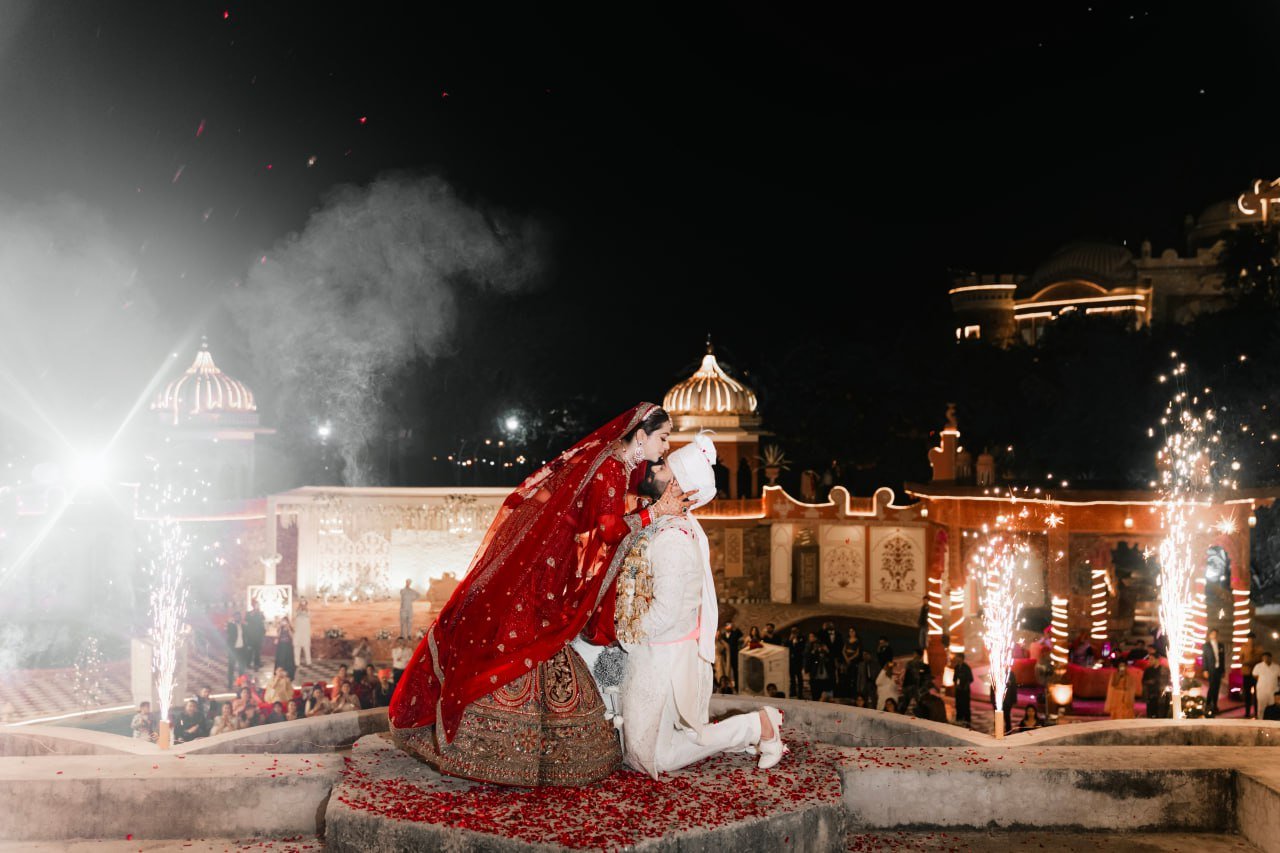
Jaipur remains one of the most sought-after royal celebration backdrops in India. The capital city of Rajasthan draws couples from across the globe with dreams of majestic palace facades, vibrant cultural performances, elephant processions, and opulent banquets. However, planning a grand celebration within the Pink City comes with a distinct set of operational realities, financial considerations, and logistical hurdles that glossy brochures rarely highlight. Understanding both the magnificence and the practical constraints is essential for executing an event that is memorable rather than overwhelming.
The Scale and Logistics of Royal Venues
A destination wedding in Jaipur often involves historic properties, converted heritage hotels, and sprawling havelis. While these venues offer timeless architecture, they also require intricate logistics. Historic properties frequently have structural limitations, strict sound curfews, and heritage preservation guidelines that restrict elaborate stage rigging or modern pyrotechnics.
Furthermore, urban congestion can present significant challenges for multi-day guest management. Moving hundreds of attendees between airports, heritage quarters, and celebration lawns requires tight coordination, designated transport fleets, and experienced on-ground execution teams. For families seeking an opulent heritage ambiance without navigating the heavy traffic and dense crowds of the state capital, opting for a renowned luxury hotel in Rajasthan located in quieter historical corridors offers a secluded, regal setting with significantly smoother guest transit.
Budget Dynamics and Cost Realities
A major truth about grand celebrations in Jaipur is that real-world costs frequently exceed initial projections. While base venue rental rates might appear straightforward, auxiliary expenses scale rapidly.
- Vendor Cartels and Preferred Lists: Many heritage hotels operate under exclusive vendor agreements. Bringing external decorators, sound engineers, or caterers often incurs steep royalty fees or venue surcharges.
- Structural Infrastructure: Sprawling outdoor courtyards demand substantial investments in temporary power generation, weather-appropriate air-cooling or heating, luxury mobile washrooms, and extensive lighting installations.
- Food and Beverage Minimums: High-profile city venues typically enforce steep food and beverage minimums alongside mandatory licensing costs for liquor, fire safety, and music copyright permissions.
Balancing the desire for grandeur with financial transparency demands an experienced team capable of managing vendor negotiations and budget breakdowns without hidden surprises.
Balancing Urban Prestige with Heritage Intimacy
While Jaipur delivers grand public spectacles, many modern couples find that urban city properties sacrifice personal privacy. Multiple weddings often run concurrently in neighboring wings of massive palace hotels, creating overlapping noise, divided staff attention, and diluted exclusivity.
In contrast, selecting destinations that combine untouched historical topography with private grounds allows couples to reserve an entire estate exclusively for their loved ones. Couples prioritizing bespoke care often seek out dedicated hospitality services in Kumbhalgarh, where events receive undivided culinary, housekeeping, and concierge attention amid rugged Aravalli landscapes rather than bustling city centers.
Guest Experience and Personalized Hosting
In royal Indian weddings, guest comfort is the ultimate measure of successful hosting. A memorable destination wedding extends beyond decor; it hinges on how seamlessly guests are welcomed, fed, entertained, and accommodated.
- Personalized Concierge Care: Guests arriving from various domestic and international hubs require dedicated check-in desks, regional welcome hampers, and responsive itineraries tailored to diverse age groups.
- Curated Regional Gastronomy: Moving beyond standardized banquet menus to offer authentic Rajasthani thalis, interactive live cooking counters, and personalized late-night comfort snacks elevates the hospitality standard.
- Leisure and Exploration: Providing structured downtime ensures guests can rest between functions or embark on guided nature trails and heritage walks without feeling rushed by a rigid ceremonial itinerary.
For couples seeking an authentic fortress backdrop that embodies true royal seclusion and heritage architecture, Namoka The Fort Kumbhalgarh provides an intimate environment where every courtyard and terrace serves as an exclusive, private setting for wedding rituals.
Navigating Weather and Seasonal Windows
Jaipur experiences extreme seasonal variations that directly dictate the wedding calendar. Peak season runs strictly from late October through early March. During these months, competition for prime dates and top-tier vendors drives prices to their highest levels across the region.
Hosting events during transition months requires comprehensive contingency planning. Early autumn and late spring can bring unexpected daytime heat waves, while deep winter evenings in northern Rajasthan often demand extensive outdoor radiant heating systems. Establishing a backup indoor banquet hall for every outdoor lawn or terrace ceremony is an indispensable rule of thumb for any destination celebration in Rajasthan.
Crafting an Unforgettable Celebration
Hosting a destination wedding in Rajasthan is an extraordinary endeavor that weaves age-old royal traditions into a family’s personal milestone. While Jaipur offers undeniable prestige and palace architecture, achieving a smooth and stress-free event requires clear expectations regarding city logistics, sound limits, and venue exclusivity.
By prioritizing privacy, vendor transparency, and guest hospitality over sheer urban scale, couples can choose the exact landscape—whether a bustling heritage city or a secluded fortress sanctuary—that allows their royal wedding vision to unfold gracefully.