Planning an excursion into the golden dunes of the Thar Desert evokes visions of tranquil sunsets, crackling bonfires, and romantic nights under an endless canopy of stars. While those scenic elements are entirely real, an authentic wilderness stay presents practical realities that glossy travel brochures rarely mention. Drawing from years of on-ground hospitality experience hosting travelers at Rajwada Desert Camp, here are the essential insights every visitor needs to know before venturing onto the dunes.
1. Desert Temperatures Plunge Dramatically After Sundown
The most common oversight among first-time visitors is packing exclusively for extreme heat. Desert sand possesses low thermal mass, meaning it absorbs solar heat rapidly during daylight hours and radiates it away just as quickly once dusk falls. While daytime temperatures in western Rajasthan can feel intense, nighttime conditions between October and March frequently drop into single digits. Seasoned desert guides always advise packing thermal base layers, a fleece jacket, and warm woolen socks alongside your lightweight daytime cottons.
2. Desert Sand Finds Its Way into Everything
Microscopic desert silt is remarkably fine, and even a gentle evening breeze carries dust particles across the campsite. Zipping your luggage shut immediately after retrieving an item is a fundamental rule of dune survival. Photographers and tech enthusiasts must take extra precautions; fine particles easily infiltrate camera lens rings, smartphone charging ports, and laptop vents. Carrying dedicated microfiber cloths, zip-top protective pouches, and sealed equipment cases will prevent costly hardware damage during your stay.
3. High-Velocity Thrills Require Professional Navigation
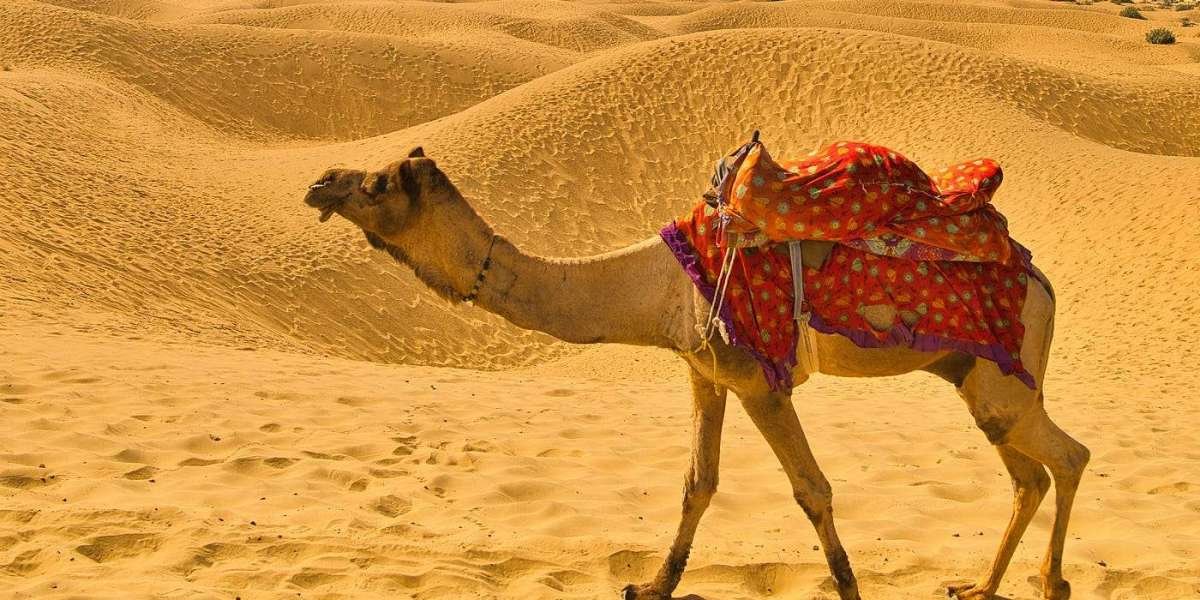
Traversing shifting sand dunes is an art form that demands specialized equipment and expert driving technique. Many visitors assume desert recreation is entirely self-guided, but steep sand crests and hidden ruts present real mechanical challenges. Participating in curated Jaisalmer adventure activities such as dune bashing, quad biking, and guided camel safaris ensures that high-adrenaline exploration is conducted safely under the supervision of seasoned local drivers who understand dynamic sand ridge stability.
4. Silence in the Dunes Has an Actual Physical Presence
City dwellers are accustomed to an ambient hum of traffic, air conditioning units, and urban vibration. Once you venture deep into the Thar, the sheer absence of background acoustic noise can feel striking. Stepping beyond the central camp enclosure past midnight reveals an acoustic stillness so profound that you can hear the faint whisper of shifting sand ripples. This acoustic vacuum creates exceptional conditions for genuine mental decompression and natural sleep cycles.
5. Structured Amenities Matter More Than Rustic Novelty
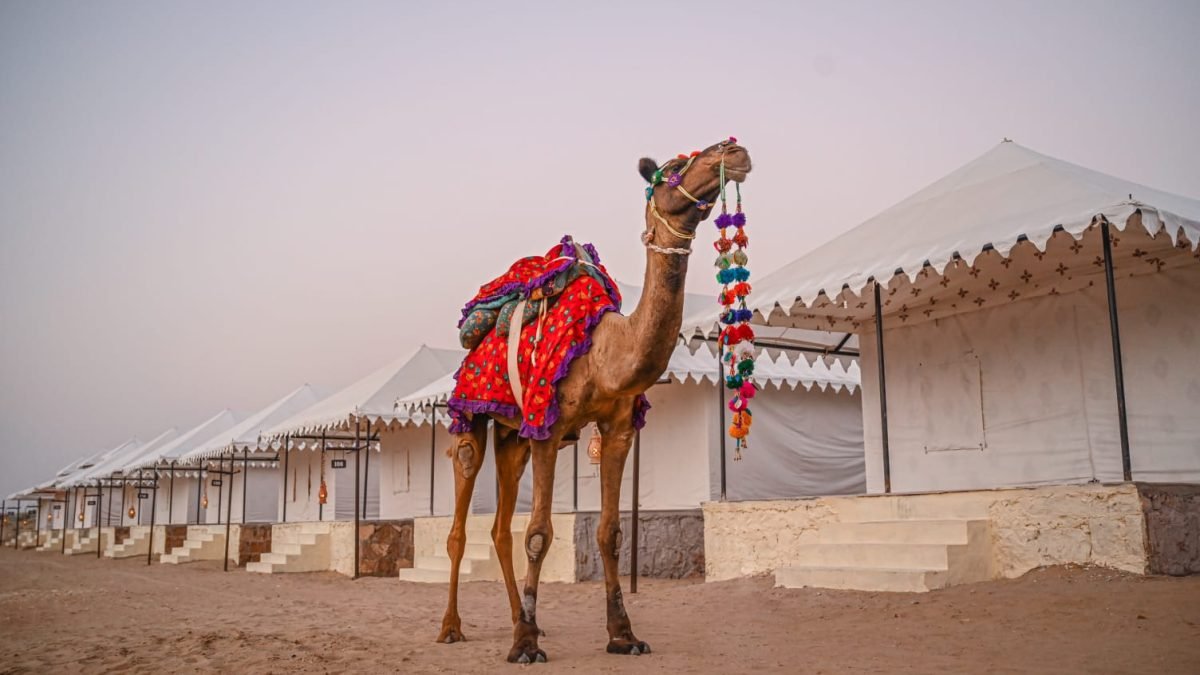
Roughing it in an unserviced bivouac might sound romantic in theory, but basic comfort directly determines the quality of your wilderness retreat. Securing verified Jaisalmer tent booking packages guarantees critical structural essentials such as raised wooden flooring to block ground chill, private en-suite western bathrooms, running hot water, insulated canvas walls, and reliable perimeter illumination. Verifying these infrastructure details in advance prevents unnecessary discomfort in remote terrain.
6. Cultural Hospitality Follows Deep Regional Traditions
An authentic desert campsite is far more than a place to sleep; it serves as a stage for living Thar folk heritage. Regional performances featuring the Kalbelia dance, soulful Manganiyar vocal harmonies, and fire routines are ancient cultural art forms passed down across generations. Engaging respectfully with local musicians and savoring traditional culinary preparations like Daal Baati Churma cooked over slow wood embers offers a meaningful window into historic desert resilience.
7. Selecting the Right Location Dictates Your Entire Experience
Not all dune locations offer equal atmosphere. Overcrowded tourist strips often suffer from diesel exhaust, blaring loudspeakers, and heavy vehicular traffic that break the wilderness spell. Choosing a reputable camp in Jaisalmer that balances secluded dune access with authentic Rajasthani hospitality allows you to enjoy uninterrupted panoramic vistas, pristine sunset points, and dark-sky conditions ideal for astrophotography.
Practical Preparation Checklist
- Pack polarized sunglasses and broad-spectrum sunscreen for intense daytime UV exposure
- Carry reusable insulated water bottles to maintain constant hydration in dry air
- Wear closed-toe footwear or sturdy boots around the camp perimeter at night
- Keep external power banks charged, as remote power grids may run on scheduled generator cycles
- Keep local currency on hand for tipping performers, camel handlers, and camp attendants
Approaching your desert expedition with clear expectations transforms an intimidating wilderness into an unforgettable travel milestone. When you understand the natural rhythms of the sand, prepare for shifting microclimates, and partner with reputable local hosts, the Thar Desert delivers an unmatched retreat under the stars.