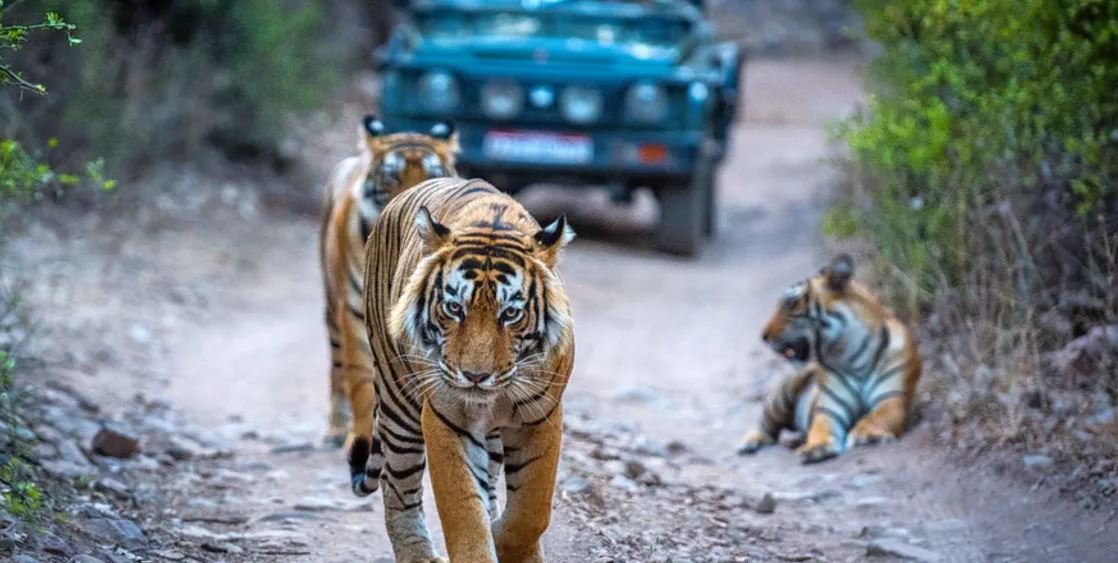
Navigating the ancient deciduous forests, sheer cliff faces, and marshy lakes of Ranthambore National Park requires an understanding of how its territory is divided. Encompassing over 1,300 square kilometers across the confluence of the Vindhya and Aravalli mountain ranges, the national park is split into 10 regulated ecotourism sectors. Each territory exhibits distinct topography, flora, prey density, and established feline territories. Deciding where to track dominant royal Bengal tigers, elusive leopards, sloth bears, and marsh crocodiles depends entirely on how each sector aligns with seasonal wildlife movements.
Core Landscapes: The Heritage Zones 1 to 5
Zones 1 through 5 represent the historic, core sections of the park where early conservation projects commenced. These sectors surround historical monuments, natural water reservoirs, and ancient banyan canopies, creating high-visibility corridors for wildlife observation.
Zone 1 (Singhdwara)
Zone 1 serves as an entry gateway through Singhdwara, characterized by narrow valley trails, rocky beds, and the Chanchal Dhara waterbody. It acts as a critical territorial transition corridor for both resident predators and migratory herbivores. Sightings here often unfold along dry riverbeds and dense dhok tree slopes, where tigers maneuver quietly between the park border and the interior plateau.
Zone 2 (Jhalra and Padmini Talab)
Zone 2 offers exceptional predator-prey dynamics due to perennial springs and watering holes such as Jhalra and Padmini Talab. Herbivores congregate along the lush aquatic basins, attracting territorial big cats and stealthy Indian leopards. Its open dirt tracks, bordered by rocky ravines, make it an ideal setting for tracking prints and hearing distant alarm calls.
Zone 3 (Padam Talab and Rajbagh)
Zone 3 is the most visually iconic sector of the sanctuary, framed by the centuries-old Ranthambore Fort looming overhead. Vast water bodies—Padam Talab, Rajbagh Lake, and Malik Talab—anchor this zone. High concentrations of sambar deer feed on aquatic vegetation directly in the shallows, routinely bringing tigers into broad daylight hunting maneuvers along the lakeshores.
Zone 4 (Tamkhan and Lakarda)
Zone 4 features extensive open grasslands and undulating dirt trails stretching through Tamkhan and Lakarda. Tigers frequently patrol these pathways during early morning and late afternoon hours. Because the zone encompasses multiple interconnected watering holes, territorial overlapping between sub-adults and established dominant males creates consistent wildlife activity throughout both winter and summer months.
Zone 5 (Jkachida and Bakola)
Zone 5 shares boundaries with Zone 4 and traverses dry plateaus, rocky gullies, and water-rich nullahs. Because it reaches deeper into pristine woodland away from tourist transit paths, it shelters diverse fauna including Indian sloth bears foraging for termite mounds and secretive leopards perched along sandstone ledges.
Peripheral Terrains: The Buffer Zones 6 to 10
Developed to distribute tourist vehicles and protect wildlife corridors, Zones 6 through 10 provide untamed, rugged landscapes across the hilly northern and southern fringes of the park. Selecting the right Ranthambore Safari Zone among these outer belts allows nature enthusiasts to explore raw terrain where active sub-adult tigers claim independent territories.
Zone 6 (Kala Pani)
Zone 6, accessed through the Rajbagh gate, shares geographical continuity with Zone 1. Known locally as Kundal, this sector features expansive open plains flanked by vertical escarpments. The open horizon enhances the detection of blue bulls (nilgai), striped hyenas, and roaming big cats crossing the open expanse toward the Kala Pani waterhole.
Zone 7 (Chidikho)
Zone 7 climbs across higher topographical elevations, winding around steep rocky cliffs and deep gorges. While the steep ascent can make navigation more challenging for safari jeeps, the high vantage points provide panoramic views over deep valleys where predatory cats frequently rest in shaded rocky caverns during midday heat.
Zone 8 (Balas)
Zone 8 is situated across the Balas region, characterized by sharp sandstone formations, seasonal ravines, and sparse dry-scrub vegetation. This dramatic landscape serves as prime habitat for agile leopards, Indian caracals, and an array of raptors circling overhead on thermal currents.
Zone 9 (Qual Ji)
Zone 9 rests along the banks of the Chabal River, roughly 45 kilometers from the main reserve gate. This distinct aquatic ecosystem hosts healthy populations of endangered gharials, marsh mugger crocodiles, and caracals navigating the ravine borders. It represents a vital wilderness zone for serious birdwatchers and naturalists seeking off-beat exploration.
Zone 10 (Aantri)
Zone 10 borders natural hill locks, rural peripheries, and quiet river tracks at Aantri. It serves as an active expansion ground for young dispersing tigers staking out new hunting domains. The undulating trails and tranquil natural reservoirs ensure a secluded, peaceful wilderness outing.
Planning Your Wilderness Itinerary
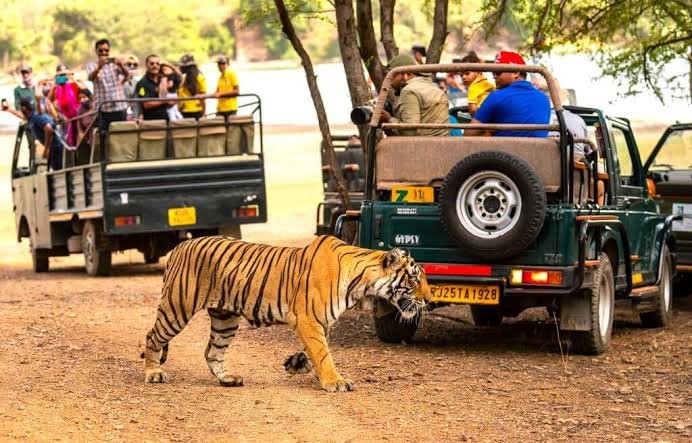
Safaris operate twice daily during morning and late afternoon intervals via open 6-seater 4WD gypsies and 20-seater canters. Booking through the official forest department portal well in advance ensures access to preferred sectors. For travelers desiring authentic wilderness hospitality between morning and evening drives, selecting an established resort in Ranthambore+ guarantees comfortable accommodation, expert wildlife briefings, and seamless transfer logistics to every designated entry gate.