Nestled against the craggy silhouettes of the ancient Aravalli Range, Abu Road serves as a gateway to Rajasthan’s only hill station and a rich pocket of heritage, spirituality, and rugged natural beauty. While travelers often pass through Abu Road in transit, spending time here unveils historical treasures and peaceful retreats that escape the usual tourist rush. Planning day trips around this vibrant corridor allows you to balance sightseeing excursions with the calm comfort of staying at a serene base like Achal Bagh. If you are curating your travel schedule, here are five standout destinations close to Abu Road that offer a blend of culture, architecture, and scenery.
1. Dilwara Jain Temples
Located approximately thirty kilometers uphill from Abu Road, the Dilwara Temples represent an extraordinary peak of Indian marble architecture. Built between the eleventh and thirteenth centuries by the Chalukya dynasty, this complex of five shrines looks modest from the outside, concealing mind-boggling artistic mastery within.
The interior ceilings, pillars, and arches are carved out of pure white marble with astonishing delicacy. The Vimal Vasahi and Luna Vasahi temples stand out for their pendant ceiling domes, which resemble carved lace suspended in stone. Local guides often point out that the marble was transported across rugged mountain tracks by elephant brigades centuries before modern engineering existed. Visiting early in the morning allows you to admire the play of natural light on the stone sculptures without crowds, providing a quiet space to absorb the history and devotional craft.
2. Chandrawati Archaeological Site
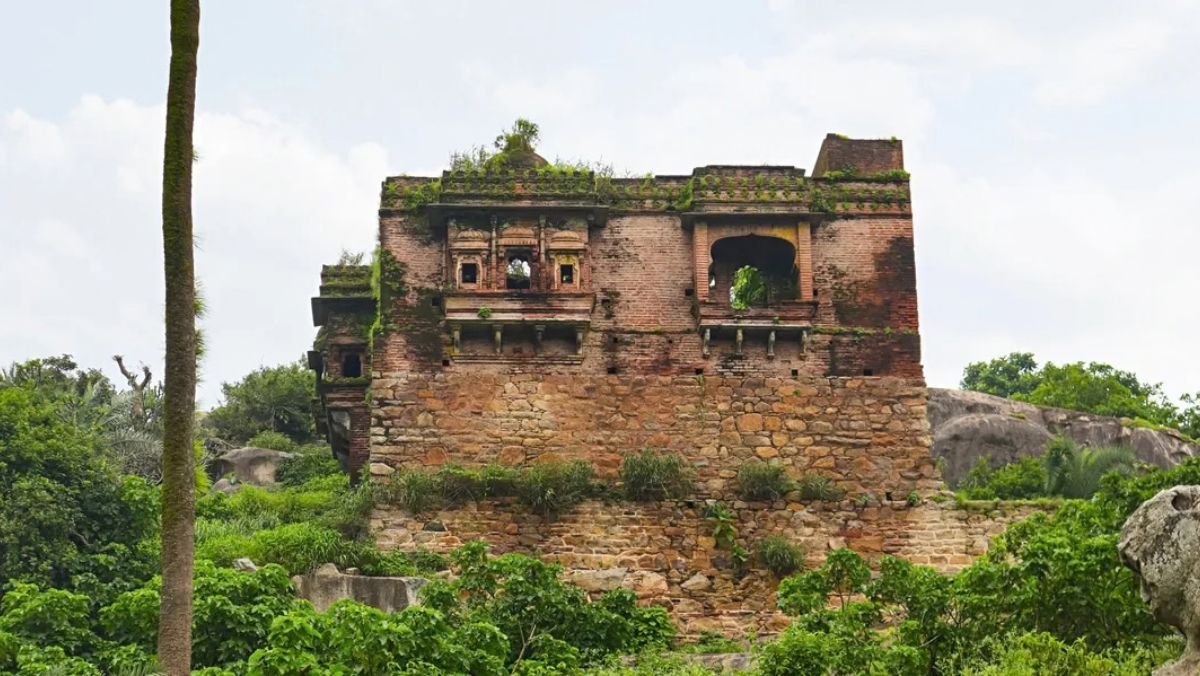
Just a short drive south along the highway from Abu Road lies Chandrawati, an ancient ruined city situated along the banks of the West Banas River. Once the thriving capital of the Paramara rulers during the medieval period, Chandrawati is a dream exploration spot for history buffs and archaeology enthusiasts looking to step off the beaten track.
Excavations have unearthed temple complexes, fortified structures, and exquisite stone idols depicting deities from the tenth to twelfth centuries. Walking amidst the preserved foundations offers a tangible connection to forgotten regional dynasties. Because Chandrawati remains largely undisturbed by commercial tourism, it affords a quiet, reflective atmosphere where visitors can observe classical stone masonry in its raw, natural landscape setting.
3. Ambaji Mata Temple and Gabbar Hill
Situated just across the border in Gujarat, roughly twenty kilometers from Abu Road, Ambaji is one of the most revered Shakti Peethas in Western India. The shrine honors the Mother Goddess and is famous for lacking an idol; instead, priests worship a sacred gilded plaque called the Viswa Yantra.
A few kilometers beyond the primary shrine stands Gabbar Hill, believed to be the original seat of the deity. Visitors can climb the stone steps or board a scenic ropeway to reach the summit, which reveals panoramic vistas of the surrounding dry deciduous hills. Whether you visit during the festive periods or on a tranquil weekday, the devotional energy and vibrant market lanes filled with traditional sweets and brass artifacts make for an immersive cultural excursion.
4. Nakki Lake and Toad Rock
Ascending into Mount Abu brings you to Nakki Lake, a picturesque water body bordered by granite hills, walking promenades, and gardens. Local mythology claims the lake was scooped out by the gods using their fingernails (nakh) to seek refuge from a demon, lending the spot its mythological name.
Renting a pedal boat in the late afternoon provides an expansive view of the surrounding hills as twilight sets in. Perched above the lake is Toad Rock, a massive natural rock formation shaped remarkably like a toad about to leap into the water. A brisk climb up the stone trail leads to a rocky viewpoint that rewards hikers with wide-angle panoramas of the lake and the town below, making it an essential photography stop for any traveler exploring the region.
5. Achalgarh Fort and Achaleshwar Mahadev Temple
Roughly eleven kilometers north of Mount Abu town, the medieval settlement of Achalgarh combines deep antiquity with military architecture. Originally built by the Paramara rulers and reconstructed by Maharana Kumbha of Mewar in the fifteenth century, the fort sits atop a defensive peak surrounded by thick woodland.
At the foot of the hill lies the Achaleshwar Mahadev Temple, famed for being the only shrine where Lord Shiva’s right big toe is worshipped rather than a traditional lingam. Directly outside the temple courtyard sits a massive Nandi statue composed of five metals (panchdhatu), bearing scars from historical battles. Further up the path, ancient Jain temples house bronze statues that gleam in the afternoon sun, making the walk an inspiring mix of mountain trekking and heritage discovery.
Planning Your Excursions Around Abu Road
To experience these destinations comfortably, timing your visits around seasonal conditions is essential. The region experiences comfortable winters from October to March, while the monsoon months carpet the rocky hills in vibrant moss and seasonal waterfalls. Planning your route to visit high-altitude mountain locations during mid-morning and exploring valley ruins or shrines during the late afternoon ensures pleasant temperatures throughout your day.
Returning down to the plains after a full itinerary lets you unwind away from crowded hill stations. Reserving a room at the best hotel in Abu Road ensures quiet relaxation, spacious surroundings, and personalized hospitality at Achal Bagh. Before heading out for your next day of sightseeing, you can also savor authentic local delicacies and comforting multi-cuisine menus curated by one of the best restaurants in Abu Road. Having a well-positioned, tranquil retreat makes discovering the historical and natural richness of this region an effortless, rejuvenating experience.