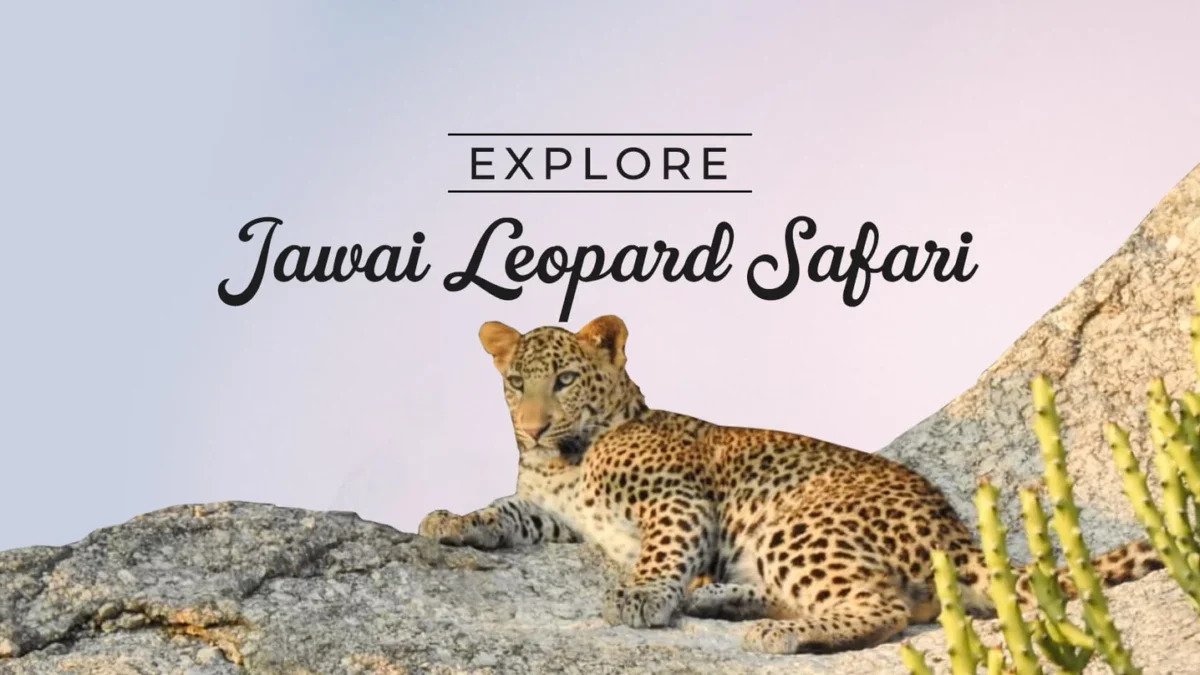
Planning an escape from the City of Lakes into the rugged granite hills of Pali reveals one of India’s most unusual wildlife corridors. While Udaipur mesmerizes with marble palaces, Jawai offers an untamed landscape where apex predators roam ancient granite formations in harmony with the indigenous Rabari pastoral community. Coordinating a seamless Jawai Leopard Safari from Udaipur gives travelers an authentic glimpse into high-density leopard territory, dramatic sunset vistas, and rich biodiversity centered around the Jawai Bandh reservoir. This curated travel itinerary outlines everything required for an unforgettable journey.
Route Overview and Travel Logistics
The road trip covers roughly 135 to 140 kilometers, typically requiring 3 hours of driving. The most popular route heads northwest through the Aravalli hills via NH 27 and RJ SH 32 toward Gogunda, Pindwara, and Nana before entering the tranquil villages bordering the Jawai catchment area. Alternatively, travelers interested in architectural heritage can route via NH 162Ext through Ranakpur to admire the famous 15th-century marble Jain Temple complex, adding approximately 45 minutes to the total drive time.
Departing Udaipur by 7:00 AM ensures you avoid regional highway congestion and arrive well before midday check-in, giving you adequate rest before heading out on afternoon game drives.
Day 1: Arrival, Countryside Immersion, and Dusk Leopard Tracking
Morning: Drive and Arrival at the Foothills
Set out after breakfast in Udaipur. The winding mountain passes transition into arid scrub forests and towering monoliths as you enter the Sena and Bera landscape. Check in to a premium wilderness retreat like The Jawai Sagar, an exceptional luxury resort in Jawai situated close to the picturesque backwaters of the dam. Settle into your room overlooking the rugged cliffs, enjoy an authentic regional lunch highlighting Mewari and Marwari culinary traditions, and recharge before the afternoon wilderness excursion.
Afternoon: The First Open-Top 4×4 Wilderness Drive
At 3:30 PM, your customized 4×4 open safari vehicle and naturalist will be ready. Unlike enclosed national parks with strictly marked asphalt paths, safaris here traverse sandy riverbeds, thorny scrub, and steep granite hillsides. Local trackers leverage generations of traditional knowledge alongside Rabari herdsmen to monitor fresh pugmarks, alarm calls from langurs, and familiar cave shelters.
Evening: Sunset Sightings and Nightfall
As late afternoon light paints the granite boulders in warm amber hues, leopards frequently emerge from deep fissures to bask on exposed rock faces. Sightings here are renowned for natural proximity, with cats calmly watching over pastoral valleys. Following dusk, return to base for refreshments around a bonfire beneath clear desert skies.
Day 2: Morning Wildlife Circuit, Dam Exploration, and Departure
Early Morning: Dawn Tracking and Avian Sanctuaries
Wake up at 5:30 AM for a steaming cup of masala chai before heading into the wild at first light. Dawn safaris provide excellent lighting for wildlife photography and heighten chances of spotting active leopards returning from nighttime hunts.
This circuit also explores the edges of the Jawai Bandh reservoir. Constructed by Maharaja Umaid Singh of Jodhpur, the expansive water body sustains substantial biodiversity:
- Resident Indian mugger crocodiles basking along the sandy reservoir banks
- Migratory waterfowl including bar-headed geese, flamingos, sarus cranes, and pelicans during peak winter months
- Other native mammal sightings such as striped hyenas, nilgai, jungle cats, and desert foxes
Late Morning: Cultural Interaction and Return Drive
Conclude the safari around 8:30 AM and enjoy a hearty outdoor breakfast. Spend an hour interacting with the local Rabari pastoralists, recognizable by their distinct red turbans and silver jewelry, who have practiced non-confrontational coexistence with leopards for generations. Complete check-out formalities by 11:00 AM, beginning the comfortable return drive back to Udaipur in time for your evening connections or onward travels.
Essential Packing and Safari Guidelines
- Clothing: Pack neutral tones such as beige, olive green, and khaki. Avoid bright fluorescent clothing that distracts wildlife. If traveling between November and February, carry thermal layers, as open 4×4 safari drives are chilly before sunrise.
- Photography Equipment: A telephoto lens ranging from 300mm to 600mm is ideal for capturing leopards resting on high granite elevations. Bring lens cleaning kits to manage fine sand particles during off-road excursions.
- Responsible Tourism: Maintain low volume levels during sightings, never request trackers to pursue an animal off-path into sensitive caves, and abstain from plastic littering across pastoral lands.