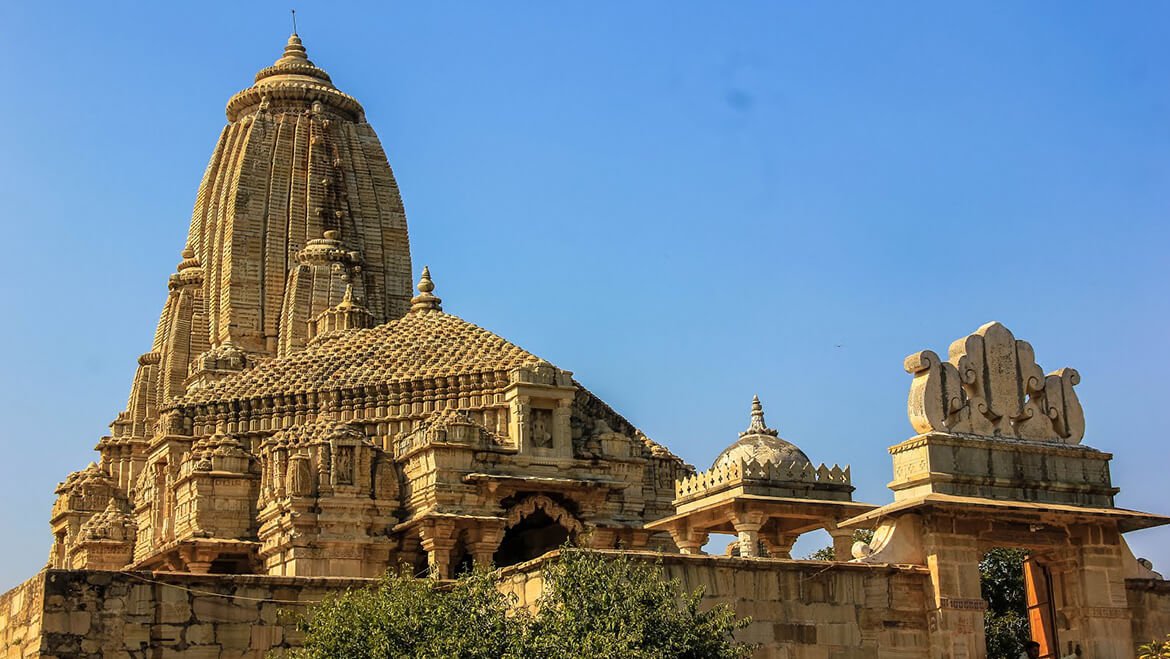
Rajasthan is widely celebrated for its imposing hill forts and royal palaces, yet the soul of this desert state resides within its sacred architecture. Centuries of dynastic patronage under Rajput rulers fostered an extraordinary spiritual heritage where marble carving, stone masonry, and deep devotion converge. Navigating this vast landscape requires seasoned local insight, especially when coordinating travel across distant districts. Consulting a knowledgeable tour operator in Rajasthan makes it simple to map out realistic driving routes, manage temple darshan schedules, and secure reliable regional transportation without friction.
Architectural Marvels of Mewar and Marwar
The southern and western regions of Rajasthan host some of the most intricate temple complexes in Asia. The Dilwara Temples at Mount Abu, built between the eleventh and thirteenth centuries, represent the zenith of Solanki-style marble craftsmanship. The ornamental detail carved into ceilings, pillars, and doorframes displays a level of translucent delicacy that modern tools struggle to replicate.
Further east in the Pali district, nestled in the Aravalli hills, stands the Ranakpur Jain Temple. Dedicated to Lord Adinatha, the complex features 1,444 uniquely carved marble pillars supporting eighty domes. No two pillars feature identical engravings, creating shifting patterns of light and shadow throughout the day. Travelers seeking a comprehensive circuit centered on these devotional landmarks can arrange a dedicated Rajasthan temple tour to experience both active rituals and preserved regional history.
Sacred Shrines of Central and Eastern Rajasthan
Central Rajasthan holds sites of immense spiritual significance across diverse traditions:
- Brahma Temple, Pushkar: Situated along the sacred Pushkar Lake, this fourteenth-century shrine remains one of the world’s few active temples dedicated to Lord Brahma. The red spire, silver coin-inlaid floors, and stone steps leading to the holy bathing ghats create an intense spiritual atmosphere, particularly during the Kartik Poornima festival.
- Govind Dev Ji Temple, Jaipur: Located within the City Palace complex, this temple houses the sacred idol of Lord Krishna brought from Vrindavan by Maharaja Sawai Jai Singh II. It serves as the spiritual heartbeat of Jaipur, drawing thousands of devotees for daily Mangala and Sandhya aartis.
- Karni Mata Temple, Deshnoke: Situated thirty kilometers south of Bikaner, this shrine is famous for protecting over twenty-five thousand black rats, known locally as kabbas. Devotees consider catching sight of a rare white rat an auspicious blessing.
- Shrinathji Temple, Nathdwara: Located near Udaipur, this major Vaishnava shrine represents Lord Krishna as a seven-year-old child lifting Mount Govardhan. The ritual calendar revolves around eight distinct daily darshans, each displaying unique vestments and traditional Pichwai paintings.
Essential Practical Tips for Visiting Rajasthan Temples
Navigating Rajasthan’s active religious destinations smoothly requires adherence to established etiquette and field customs:
- Footwear and Leather Goods: Shoes must be removed before entering any temple sanctum. Most prominent complexes provide staffed shoe-holding counters. Note that Jain temples strictly prohibit all genuine leather items, including belts, wallets, and watchbands, inside the premises.
- Photography Policies: While temple courtyards often allow photography, capturing images within the inner sanctum (garbhagriha) or of the primary deity is universally restricted. Certain sites, including the Dilwara Temples, disallow all cameras and mobile phones past the outer entrance gate.
- Optimal Visiting Windows: Early morning darshans (between 5:30 AM and 7:30 AM) offer peaceful environments, manageable temperatures, and authentic access to morning aarti ceremonies before tourist coaches arrive.
- Dress Code Standards: Modest attire that covers shoulders and knees is mandatory across all spiritual sites. Carrying a light cotton scarf is advisable, as several shrines require heads to be covered prior to entering the main hall.
Planning Itineraries and Managing Travel Costs
A rewarding pilgrimage or heritage trip across Rajasthan does not necessitate exorbitant spending. The state features an extensive network of clean dharmashalas, budget heritage guest houses, and state-run RTDC hotels situated close to major pilgrimage centers. Booking a structured Rajasthan budget tour enables solo travelers and families alike to cover major distances efficiently via shared private vehicles, optimize accommodation expenses, and access verified regional guides who illuminate the living folklore behind these centuries-old architectural treasures. Planning ahead ensures fair entrance ticketing, smooth temple transfers, and a culturally immersive pilgrimage through the desert state.