Ranthambore National Park stands as one of Northern India’s most celebrated wilderness expanses, where royal history and rugged dry-deciduous forest converge. Spanning the rugged terrain of the Aravalli and Vindhya ranges, the reserve offers an exceptional sanctuary for wildlife observers, photographers, and nature enthusiasts. Choosing the right vehicle, understanding the habitat zones, and knowing which species populate each terrain tier are essential elements for an insightful expedition into this historic wilderness.
Selecting the Right Safari Vehicle: Gypsy vs Canter
Entry into the forest is regulated strictly by the Rajasthan Forest Department, which permits two primary safari formats across the morning and afternoon shifts. Each vehicle caters to distinct observation styles, group configurations, and photographic needs.
Six-Seater Open-Top Gypsy
The open-top Maruti Gypsy accommodates up to six passengers alongside a certified nature guide and an experienced forest driver.
- Maneuverability: Its compact footprint enables drivers to navigate narrow ravines, sudden hairpin turns, and uneven dirt tracks smoothly.
- Quiet Navigation: The lighter engine produces less audible vibration, reducing the likelihood of disturbing sensitive wildlife along game trails.
- Photographic Advantage: The low seating angles offer ground-level perspectives, ideal for setting up telephoto compositions without physical obstruction from overhead structures.
- Operational Reach: Because of its agile build, gypsies adapt swiftly to changing animal movements when tracks or alarm calls signal a predator nearby.
Twenty-Seater Canter
The open-air canter is an elevated transport vehicle designed to carry up to twenty passengers, making it a reliable choice for larger groups and families.
- Elevated Sightlines: The height of the vehicle allows observers to see over tall golden grass, scrub thickets, and deep roadside culverts.
- Cost Efficiency: Seats are allocated individually, providing an economical alternative for travelers exploring the national park without chartering an entire vehicle.
- Safety & Stability: The larger chassis provides a steady ride across rocky terrain while keeping passengers comfortably above ground level.
For travelers organizing a seamless itinerary from the capital, booking a complete Delhi to Ranthambore tour ensures safari permits, transit, and logistics align smoothly before arrival.
Prominent Wildlife Species Across Ranthambore’s Habitats
The park’s ecosystem comprises tropical dry deciduous forests, open grasslands, tranquil lakes, and rugged plateaus. This variety of terrain sustains an intricate food web.
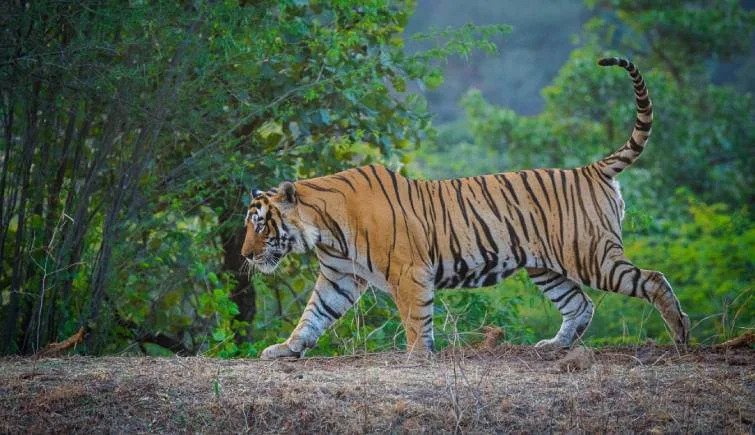
The Royal Bengal Tiger (Panthera tigris tigris)
Ranthambore is globally recognized for its diurnal tiger sightings. Unlike in many dense rain forests, the dry understory here allows visitors to observe natural behaviors, including territorial patrols, stalking sambar deer near watering holes, and cooling off in old stone ruins. Key water bodies like Padam Talao, Rajbagh Talao, and Malik Talao are frequent hotspots for observing resident big cats.
The Indian Leopard (Panthera pardus fusca)
While leopards inhabit the entire reserve, they often prefer rocky escarpments, steep cliffs, and boundary zones such as Zones 1, 2, and 10. Their shy demeanor means they are typically spotted resting on elevated rocky ledges or draped over high branches of dhok trees (Anogeissus pendula), particularly during early morning light.
Sloth Bear (Melursus ursinus)
The craggy hills and dry scrub provide prime foraging grounds for sloth bears. Often active in the cooler twilight hours, these shaggy-coated mammals use their powerful curved claws to dig into termite mounds and search for wild berries, honeycombs, and fallen fruits.
Herbivores and Prey Base
A robust predator population relies on a plentiful prey base across the park’s grasslands and valley floors:
- Sambar Deer: India’s largest deer species, commonly seen wading through lake shallows feeding on aquatic vegetation.
- Spotted Deer (Chital): Highly gregarious herbivores that travel in large herds, maintaining a sharp lookout for carnivores alongside langurs.
- Blue Bull (Nilgai): Asia’s largest antelope, regularly grazing across open woodland flats and thorny scrub.
- Wild Boar: Frequently found rooting through muddy terrain along lake margins and streambeds.
Avian Life and Marsh Predators
The wetlands host large populations of marsh crocodiles (muggers), which bask on stone banks during winter mornings. Avian diversity exceeds three hundred recorded species, ranging from the crested serpent eagle, Indian vulture, and brown fish owl to migratory waterbirds like the bar-headed goose, pintail, and painted stork.
Practical Tips for Your Wilderness Excursion
Maximizing safari outings requires preparation, local expertise, and an understanding of park etiquette:
- Zone Allocation: The reserve is divided into ten safari zones. Zones 1 through 5 constitute the historic core around Ranthambore Fort and major lakes, while Zones 6 through 10 comprise scenic outer buffers and rugged ridge landscapes. Wildlife moves across administrative borders, so every zone offers unique ecological value.
- Seasonal Changes: From October to February, temperatures are crisp and birdlife is abundant; from March to June, the dry vegetation and shrinking water sources draw animals closer to permanent reservoirs.
- Advance Reservation: Forest department permits are capped per shift. Reserving your jungle safari in Ranthambore several months ahead ensures access to designated sectors without last-minute delays.
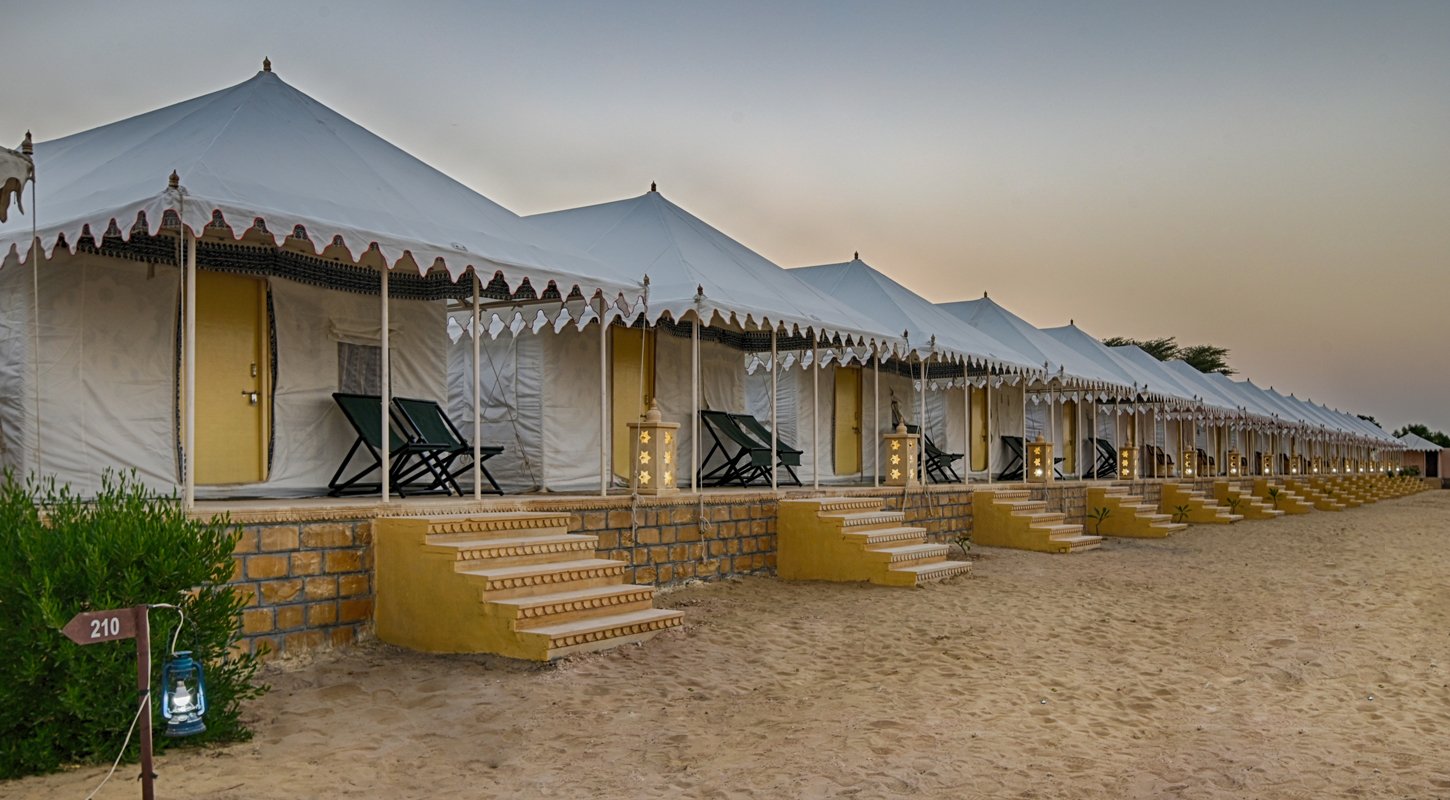
After returning from dusty trails and early morning game drives, finding a comfortable, well-managed resort in Ranthambore provides the quiet relaxation and restorative hospitality needed to prepare for the next dawn expedition. Ranthambore Tiger Resort offers guests warm hospitality, comfortable lodgings, and attentive service set against Rajasthan’s peaceful wilderness backdrop.