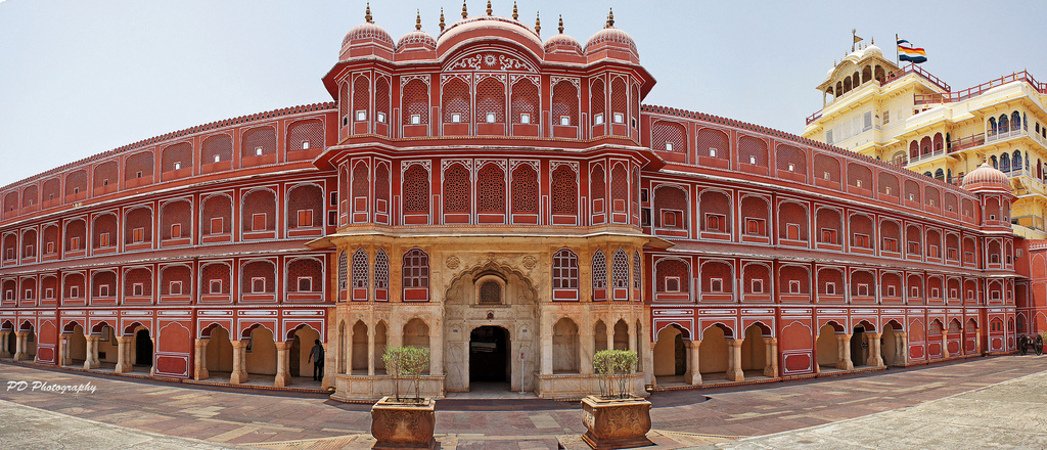
Winter transforms the dry deciduous forests of Sawai Madhopur into one of India’s most captivating wilderness landscapes. As temperatures soften from November through February, Ranthambore National Park sheds the fierce heat of summer, replaced by crisp morning breezes, golden canopies, and mist rising from ancient lakes. For wildlife enthusiasts, photographers, and travelers seeking an authentic safari encounter, winter remains the pinnacle season to witness the wild heartbeat of Rajasthan.
Ideal Weather for Wildlife Exploration
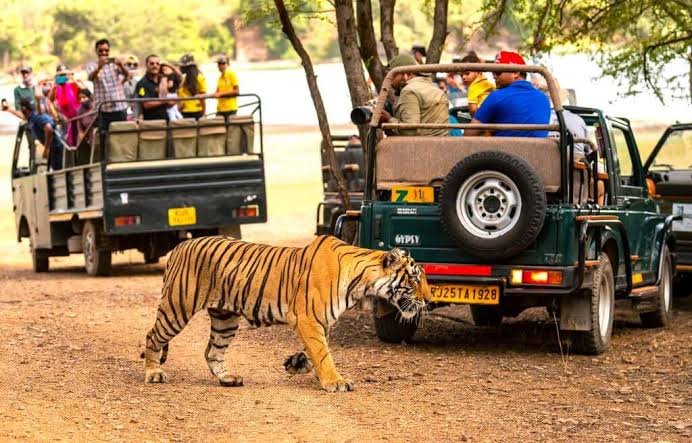
Exploring the rugged terrain of an open forest is significantly more rewarding when the climate is on your side. During the winter months, daytime temperatures typically hover between a pleasant 15°C and 25°C, making extended open-top Gypsy and Canter safaris exceptionally comfortable. Early mornings bring a brisk chill that invigorates the senses, while sunny afternoons provide clear skies without the exhausting glare of the summer sun. Visitors can embark on lengthy jungle drives without the lethargy caused by extreme heat, ensuring full alertness during every game drive.
Prime Basking Behavior of the Royal Bengal Tiger
While tigers seek out deep shade and watering holes during hotter months, winter reverses their daily patterns. As cold-blooded behaviors dictate thermal regulation in nature, the apex predators of Ranthambore frequently emerge into open firelines, grassy meadows, and rocky outcroppings to bask in the morning sun. Tigers often stretch out along vehicle tracks or perch upon medieval ruins around Malik Talao, Rajbagh Lake, and Padam Talao, soaking up radiant warmth. This behavioral shift provides naturalists and wildlife photographers with clean sightlines and ample time to observe natural animal behavior.
Birdwatching Paradise and Migratory Flocks
Winter marks the arrival of thousands of migratory birds traveling thousands of miles along the Central Asian Flyway. The water bodies of Ranthambore turn into bustling hubs of avian diversity. Birders can spot species such as the bar-headed goose, pintail duck, northern shoveler, painted stork, and diverse raptors like the crested serpent eagle and steppe eagle. The blend of aquatic habitats, rocky ravines, and mixed dry forests offers exceptional opportunities for beginners and seasoned ornithologists to build comprehensive bird checklists.
Striking Landscapes and Photography Light
Photography during winter is defined by soft, diffused morning illumination. The harsh vertical sunlight of the arid plains is replaced by a low-angled golden glow that lasts well into the day, enhancing textures on wildlife portraits and sweeping landscapes. Morning mist hovering across Padam Talao with the 10th-century Ranthambore Fort looming in the backdrop creates an evocative aesthetic unique to this season. The dust levels on the tracks are also lower following the post-monsoon settlement, keeping camera lenses clearer and drives far more enjoyable.
Exploring Beyond the Jungle Safaris
A winter getaway to this historic district goes far beyond game drives. Mild weather invites visitors to climb the stone pathways of the UNESCO World Heritage-listed Ranthambore Fort, explore the historic Trinetra Ganesha Temple, or visit the nearby Surwal Lake for peaceful wetland vistas. Walking through local craft villages and exploring regional block-printing workshops is pleasant without the midday exhaustion typical of other seasons.
Choosing the Right Base for Wilderness and Comfort
Selecting the right base makes all the difference when returning from an early morning safari chilled by forest winds. Among the premium resorts in Ranthambore, finding an accommodation that combines authentic jungle ambiance, warm hospitality, and immediate proximity to the park gates is essential. Ranthambore Tiger Resort provides well-appointed luxury cottages, authentic Rajasthani dining, and evening bonfires where travelers gather to recount the day’s wildlife tracking stories.
Planning safari permits and vehicle bookings requires expert coordination due to strict forest department zone regulations and high seasonal demand. Reserving curated Ranthambore tour packages simplifies the logistics by securing guaranteed safari slots across diverse zones, arranging seamless local transfers, and tailoring game drives around peak wildlife tracking hours.
For weekend travelers or short getaways from nearby cities like Jaipur, Delhi, and Agra, booking a structured 2-Day Journey in Ranthambore delivers the perfect blend of multiple game drives, cultural discovery at the fort, and restorative downtime amidst tranquil natural surroundings.
Packing and Preparation Tips for Winter Visitors
- Dress in versatile layers including thermal innerwear, a fleece jacket, windbreaker, and woolen beanie for morning safaris.
- Carry a quality pair of 8×42 or 10×42 binoculars to scan lake margins and forest canopies.
- Choose neutral clothing shades such as olive, khaki, grey, or tan to blend naturally into the woodland landscape.
- Keep spare camera batteries fully charged, as cooler temperatures cause lithium-ion cells to discharge more rapidly.
- Book safaris well in advance to secure preferred zones, as winter remains the peak travel period across the reserve.
Winter in Ranthambore is a sensory encounter with India’s premier tiger reserve, where cool mornings, rich biodiversity, and royal wilderness converge to create timeless memories.