Planning a trip to the Thar Desert requires a clear understanding of desert geography, local culture, and seasonal logistics. Having hosted desert travelers for over a decade at Magra Desert Camp, our team has curated this practical, field-tested 3-day itinerary. It blends centuries of architectural heritage inside the Golden City with the raw serenity of the open dunes, offering an authentic, balanced, and memorable desert journey.
Day 1: Heritage Exploration in the Golden City
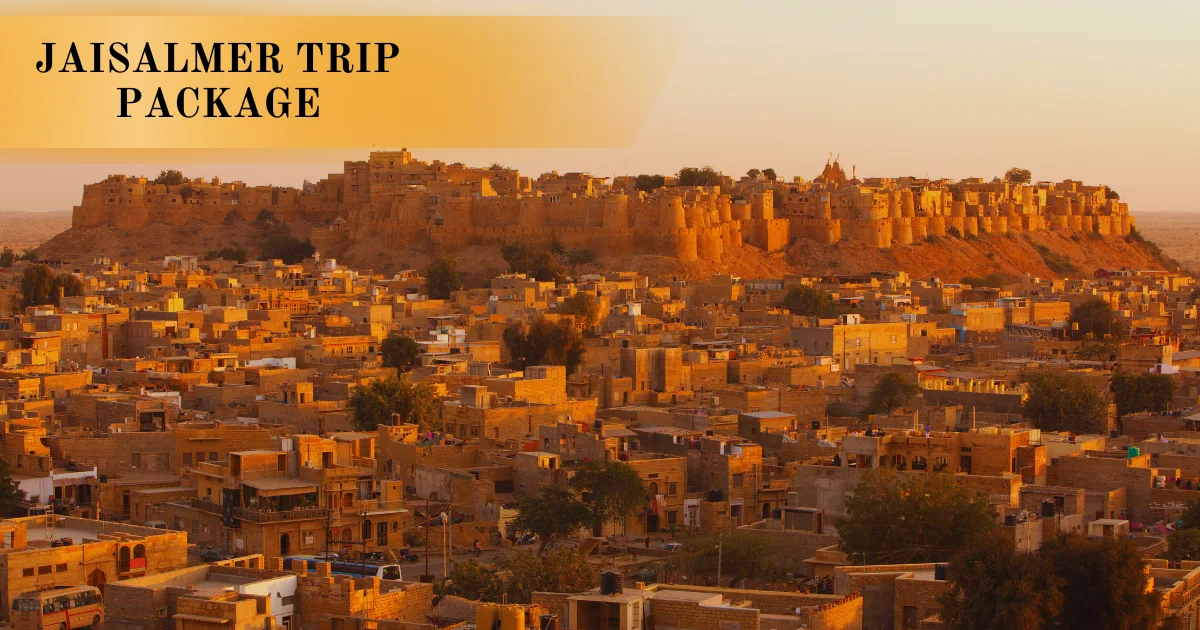
Begin your journey inside the heart of Jaisalmer’s living past. The town comes alive early in the morning when the sun hits the yellow sandstone facades, casting an amber glow across the lanes.
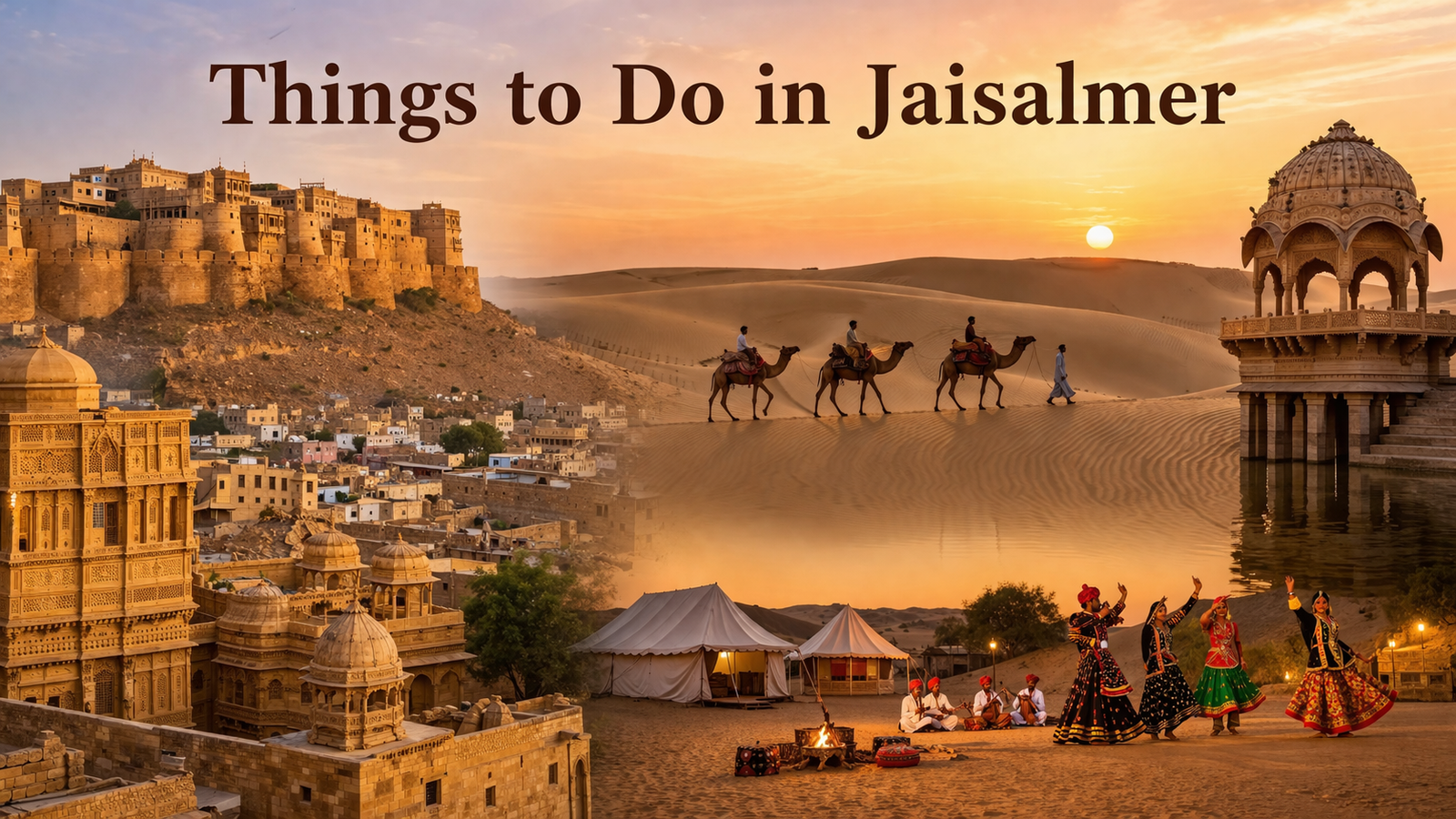
- Jaisalmer Fort (Sonar Qila): Arrive by 8:30 AM to beat the mid-day heat. Unlike most forts in India, Sonar Qila is an active living fort housing roughly a quarter of the old city’s population. Walk through the four massive gateways (Akhai Pol, Suraj Pol, Ganesa Pol, and Hawa Pol) to explore the narrow alleys, carved havelis, and the historic Raj Mahal palace museum.
- The Seven Jain Temples: Located within the fort walls, these intricately carved temples date between the 12th and 16th centuries. The yellow sandstone carvings dedicated to Jain Tirthankaras rival the artistry of Dilwara. Remember to dress modestly and remove leather items before entering.
- Patwon Ki Haveli: Head down into the city alleys around noon. This cluster of five grand havelis, built by a wealthy merchant for his five sons, features ornate jharokhas (balconies) and stone jaali screens designed to channel desert breezes.
- Salim Singh Ki Haveli and Nathmal Ki Haveli: Spend your late afternoon marveling at the contrasting architecture of these neighboring structures, particularly Nathmal Ki Haveli, carved simultaneously by two brothers from opposite ends.
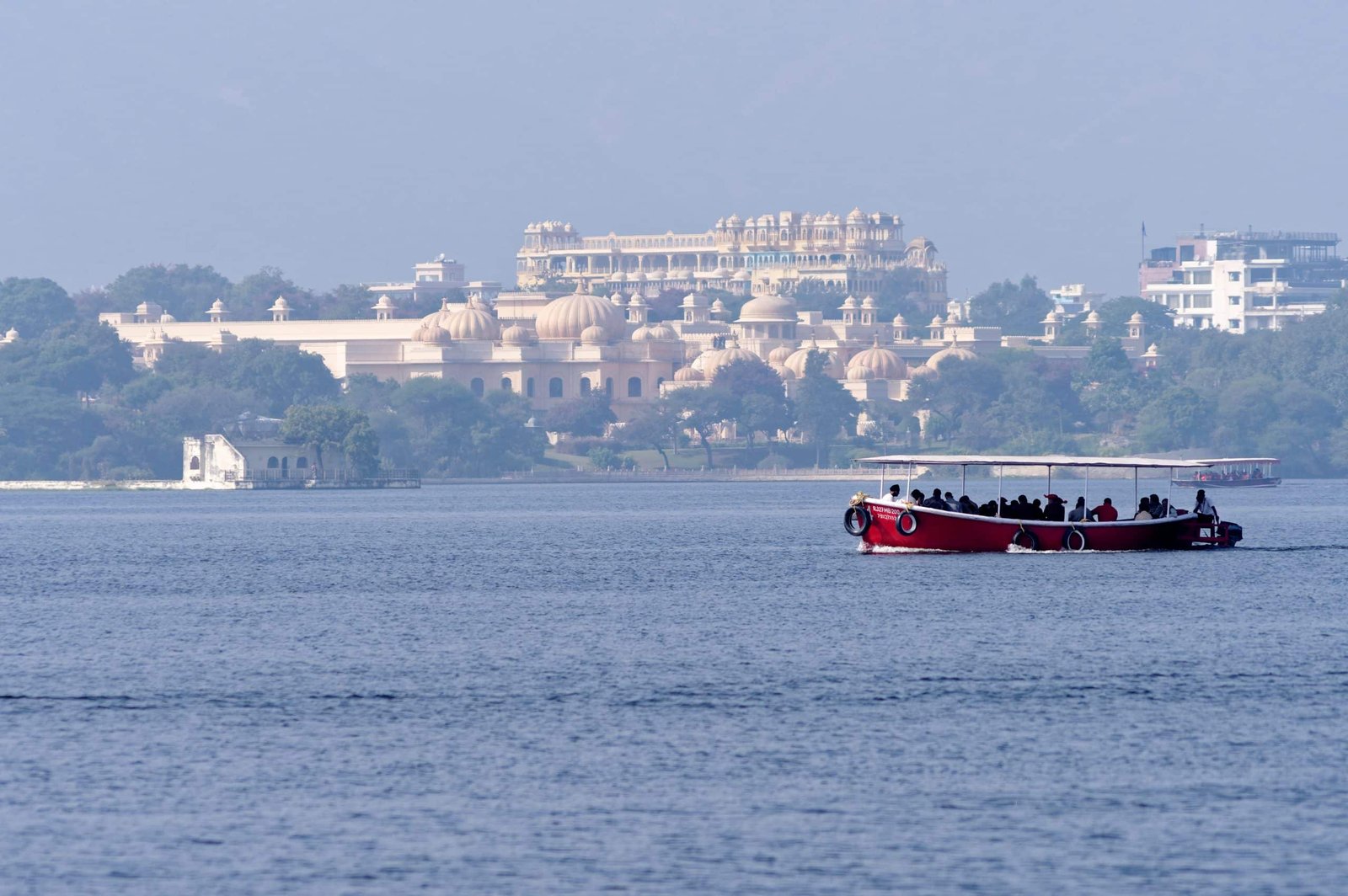
- Sunset at Gadisar Lake: Conclude your day around 5:30 PM at this historic rainwater reservoir built in the 14th century. Take a quiet boat ride or stroll past the artistically carved Tilon Ki Pol gateway as migratory birds gather at dusk.
Day 2: En Route to the Sand Dunes and Thar Living
Day two shifts focus from fortified settlements to the stark expanses of the Thar, uncovering ghost villages, sacred oases, and open sands.
- Bada Bagh: Start your morning around 9:00 AM at the royal cenotaphs (chhatris) of the Bhatti dynasty rulers. Situated on a small hillock, the cenotaphs offer striking panoramic views of wind turbines contrasting with ancient stone craftsmanship.
- Kuldhara Abandoned Village: By 11:30 AM, reach the 13th-century ruins of Kuldhara. Once inhabited by prosperous Paliwal Brahmins, the entire settlement was deserted overnight in the early 1800s. Walking through the roofless stone homes provides a sobering glimpse into desert resilience and local folklore.
- Settling into the Desert: Travel westward toward the Sam Sand Dunes in the early afternoon. Check in to a premium desert camp in jaisalmer like Magra Desert Camp, where guests receive traditional Rajasthani welcomes with tilak and dhol beats.
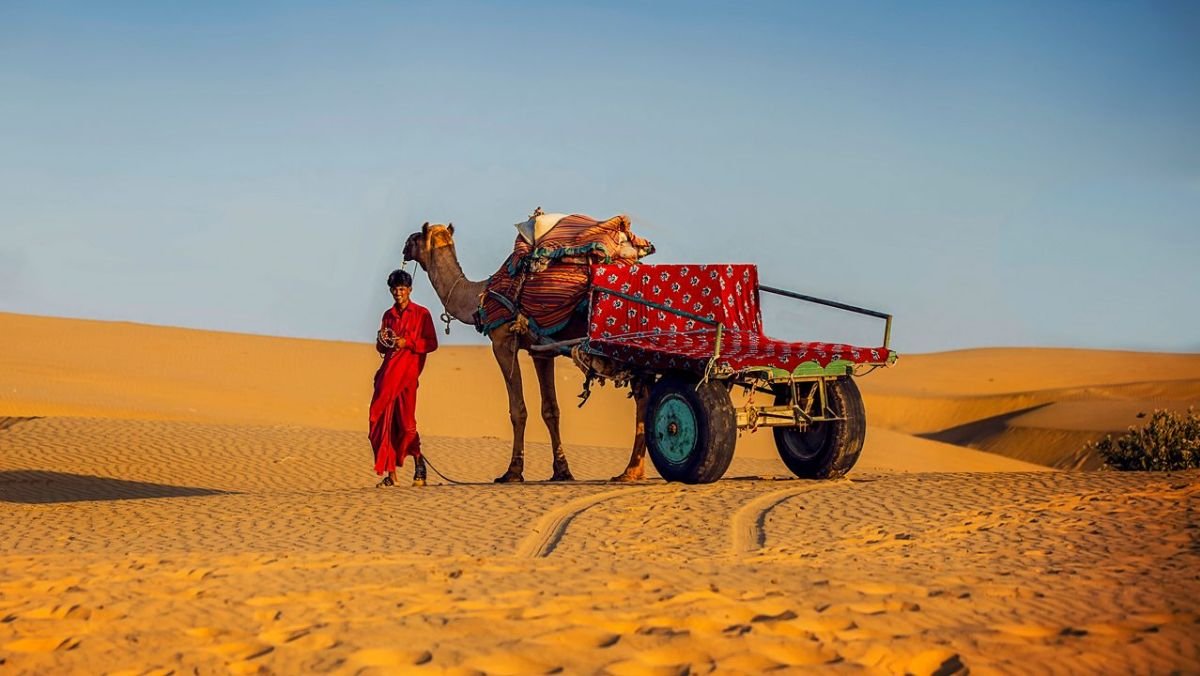
- Dune Safaris and Sunsets: By 4:30 PM, head out onto the ripple-marked dunes. A camel trek allows you to move rhythmically over the sand crests at a relaxed pace, reaching elevated ridges just as the sky turns crimson and gold.
- Evening Folk Performances: Return to camp for an evening under the desert stars. Local Manganiyar and Langa musicians perform soulful folk melodies paired with Kalbelia dancers around a central bonfire, followed by a buffet of traditional Ker Sangri, Gatte Ki Sabzi, and Dal Baati Churma.
Day 3: High-Adrenaline Sands and Remote Desert Outposts
Dedicate your final day to the dynamic, active side of desert exploration and lesser-visited desert outposts.
- Sunrise Over the Dunes: Wake up before dawn at 5:45 AM. The stillness of the desert at first light offers cooler temperatures and sweeping patterns untouched by footprints.
- Desert Adventure: Once breakfast concludes, engage in thrilling adventure activities in Jaisalmer such as jeep dune bashing across high crests, quad biking over marked sand circuits, or parasailing high above the desert floor.
- Tanot Mata Temple and Longewala Post (Optional Excursion): If your schedule allows a day drive, head northwest toward Tanot Mata Temple near the Indo-Pak border, celebrated for surviving heavy shelling during the 1965 and 1971 conflicts. Nearby, the Longewala War Memorial showcases preserved military vehicles, bunkers, and battle history.
- Resting in Comfort: Return to camp to relax inside a comfortable, well-ventilated swiss tent in Jaisalmer equipped with attached modern bathrooms, cozy bedding, and shaded verandas designed to insulate against desert temperature shifts.
- Stargazing in the Thar: The remote desert location minimizes light pollution, creating an exceptional night sky for astronomy enthusiasts. Spend your final night spotting constellations, planets, and the glowing band of the Milky Way.
Practical Desert Travel Tips from Local Hosts
- Best Season: Visit between October and March when daytime temperatures range comfortably between 20°C and 28°C.
- Hydration and Clothing: Desert air is dry; carry at least 2 liters of water during city walks. Pack breathable cotton for daylight excursions, but bring woolen layers or thermal wear, as desert night temperatures frequently drop below 10°C.
- Local Etiquette: Always obtain permission before photographing locals, remove shoes at shrines, and use registered local guides to navigate the fort’s residential paths respectfully.