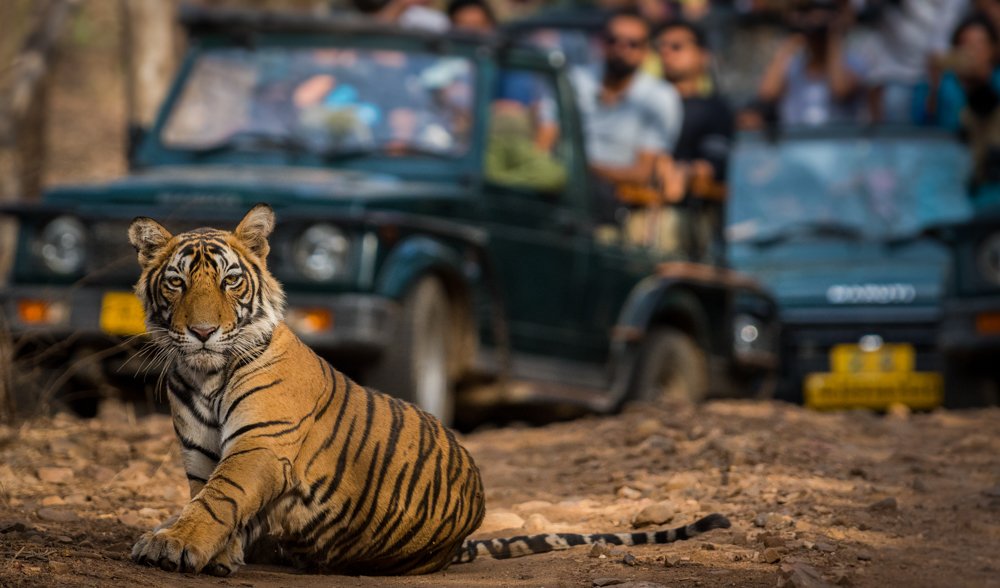
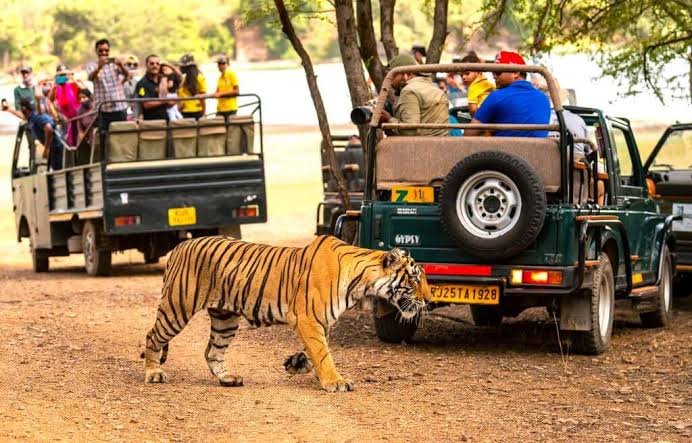
A winter journey into the rugged forests of Ranthambore National Park offers one of the most reliable opportunities in the world to observe Bengal tigers in their natural territory. From October through March, the blistering dry heat of Rajasthan recedes, giving way to crisp morning air, golden sunshine filtering through dense dhok trees, and misty waterholes surrounded by historic ruins. Winter alters wildlife behavior in ways that seasoned naturalists and wildlife photographers anticipate all year. Cold mornings encourage apex predators to abandon shaded ravines early and bask along open tracks, fire lines, and rocky hillocks to regulate their body temperature. Planning a dedicated three-day itinerary ensures ample time across varied zones, maximizing your chances of observing iconic wildlife alongside Ranthambore’s striking biodiversity.
Essential Preparation and Winter Safari Dynamics
A successful winter expedition requires careful logistical planning, particularly regarding safari slots, park zones, and seasonal packing. Temperatures during early morning drives often drop to between 8°C and 12°C, accompanied by wind chill while traveling in open safari vehicles. Dressing in layers—combining thermal innerwear, a fleece jacket, and a windproof outer layer, along with a woolen beanie and gloves—ensures you remain comfortable and alert during the first two hours of tracking. Midday drives, in contrast, warm up considerably to pleasant highs around 24°C to 27°C, allowing you to shed outer layers easily.
Ranthambore’s safari operations are divided across ten distinct tourism zones. Zones 1 through 5 represent the core historical park, featuring ancient water bodies like Padam Talao, Rajbagh, and Malik Talao, backed by the 10th-century Ranthambore Fort. Zones 6 through 10 comprise the surrounding sanctuary and buffer areas, characterized by rolling hills, steep cliffs, open grasslands, and deep gorges. Booking permits at least 90 to 120 days in advance is vital, as government-regulated vehicle quotas per zone fill rapidly for peak winter dates.
Day 1: Arrival, Orientation, and the Historic Fortress
Arrive in Sawai Madhopur by midday via rail or road. Checking into a well-appointed luxury resort in Ranthambore allows you to unwind, acclimate, and meet with in-house naturalists to review current pugmark sightings, territorial movements, and recent camera-trap updates.
Dedicate your first afternoon to exploring the UNESCO World Heritage Site of Ranthambore Fort, situated atop a massive 700-foot cliff inside the park boundary. Ascending the stone pathways provides context to the terrain you will explore over the coming days. The battlements offer sweeping views across Padam Talao and the vast dhok canopy, where marsh crocodiles and sambar deer can often be spotted from above. Visit the ancient Trinetra Ganesha Temple located within the ramparts, a revered shrine where pilgrims gather amidst resident troops of gray langurs. Return to your base before dusk for a detailed safari briefing over an open hearth, focusing on bird calls, alarm vocalizations, and vehicle etiquette.
Day 2: Navigating Core Habitats and Open Woodland Tracking
Set out before sunrise for your first core-zone morning drive. Boarding a scheduled canter safari tour in Ranthambore provides an elevated vantage point across tall grassland and dense roadside thickets, making it well-suited for groups scanning wide expanses of open terrain. As the sun rises, listen intently for the distinctive, sharp alarm barks of spotted deer and the guttural, bell-like calls of sambar deer, which reliably reveal a predator on the prowl. Winter mornings frequently reward patient trackers with sightings of leopards along rocky ledges or solitary sloth bears foraging near termite mounds before the day warms up.
Return by late morning for breakfast, followed by downtime during the midday lull when forest gates remain closed. In the afternoon, head out for your second drive, focusing on the water bodies of the core belt. Winter attracts significant flocks of migratory waterfowl, including northern pintails, bar-headed geese, and painted storks, to the shores of Rajbagh Lake. Marsh crocodiles regularly haul out on mudflats to sunbathe alongside foraging wild boars. Spend the final golden hour observing how the evening light transforms the sandstone pavilions of Rajbagh Palace against the tranquil water before exiting through the designated forestry checkpoints.
Day 3: Exploring Peripheral Corridors and Final Departures
Dedicate your final morning drive to Ranthambore’s cliffside habitats and deep valleys, such as those found across the outer zones. These rugged sectors present a stark contrast to the lake districts, offering dramatic landscapes of sheer rock faces, dry stream beds, and high plateau grasslands. These tracts are prime country for caracals, Indian striped hyenas, and nilgai antelope. The lower visitor density in these stretches ensures a tranquil, unhurried tracking experience guided entirely by natural signs, fresh tracks, and the instincts of your forest driver and tracker.
Conclude the drive with a slow traverse along dry riverbeds where tigresses frequently lead growing cubs toward sunny sandbanks. After checking out from your lodge by early afternoon, take time to visit local craft cooperatives dedicated to traditional Rajasthani block printing and tiger-conservation community initiatives before beginning your onward journey. This balanced itinerary combines rigorous wildlife tracking with cultural heritage, delivering a complete winter wilderness experience in the heart of northern India.