Jaisalmer occupies a singular position on the global travel map because it compresses centuries of living architectural history, vibrant desert folklore, and dramatic geological landscapes into a manageable, deeply immersive journey. While many destinations in Rajasthan require long highway transfers between monuments, the Golden City allows travelers to transition seamlessly from exploring twelfth-century sandstone bastions in the morning to watching the sun dip below sweeping Thar Desert ridges by evening. Whether you are planning a two-day weekend escape or an extended cultural expedition, the city rewards curious visitors with a rare blend of accessibility, authenticity, and visual grandeur.
Living Heritage Inside the Golden Citadel
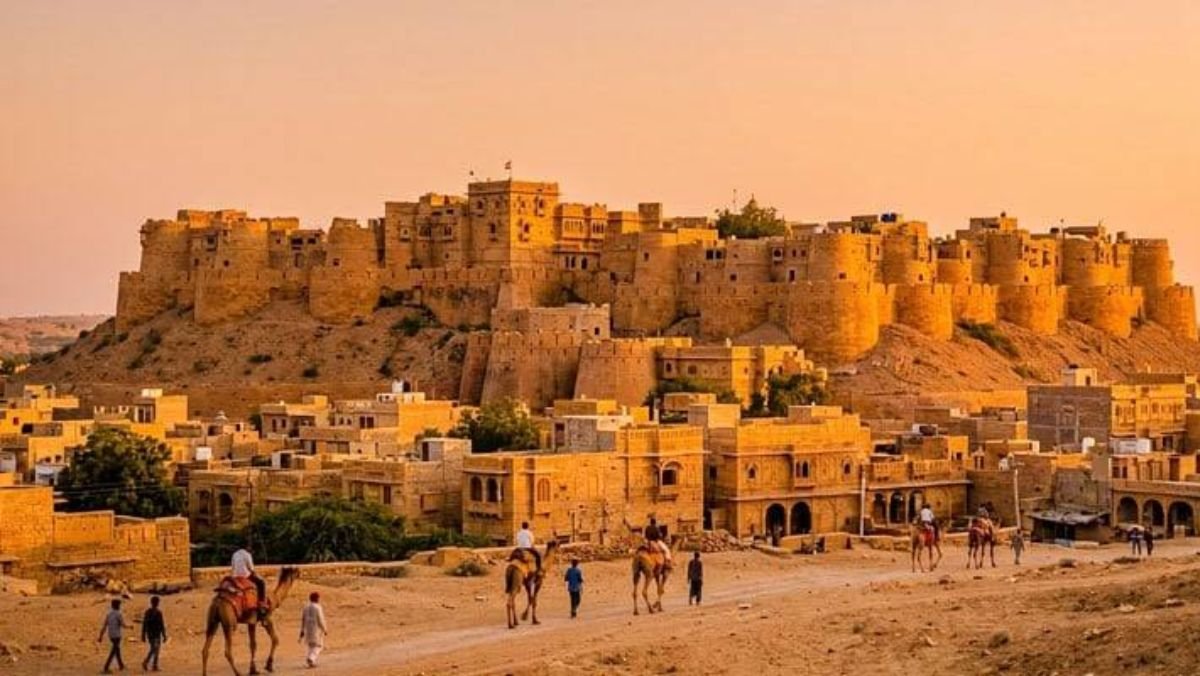
Unlike museums or cordoned-off archaeological ruins, Jaisalmer Fort—locally known as Sonar Quila—remains a living, breathing neighborhood where thousands of residents still inhabit ancestral homes carved from honey-colored Jurassic sandstone. Walking through its massive gates reveals a labyrinth of narrow lanes lined with intricately latticed balconies, Jain temples dating back to the twelfth and fifteenth centuries, and bustling bazaars selling mirror-work textiles and handcrafted leather goods. Because the citadel rises directly above the surrounding plains, every rooftop cafe and rampart offers panoramic views across the city, establishing an immediate sense of place before you even venture into the wider region.
Architectural Masterpieces Beyond the Ramparts
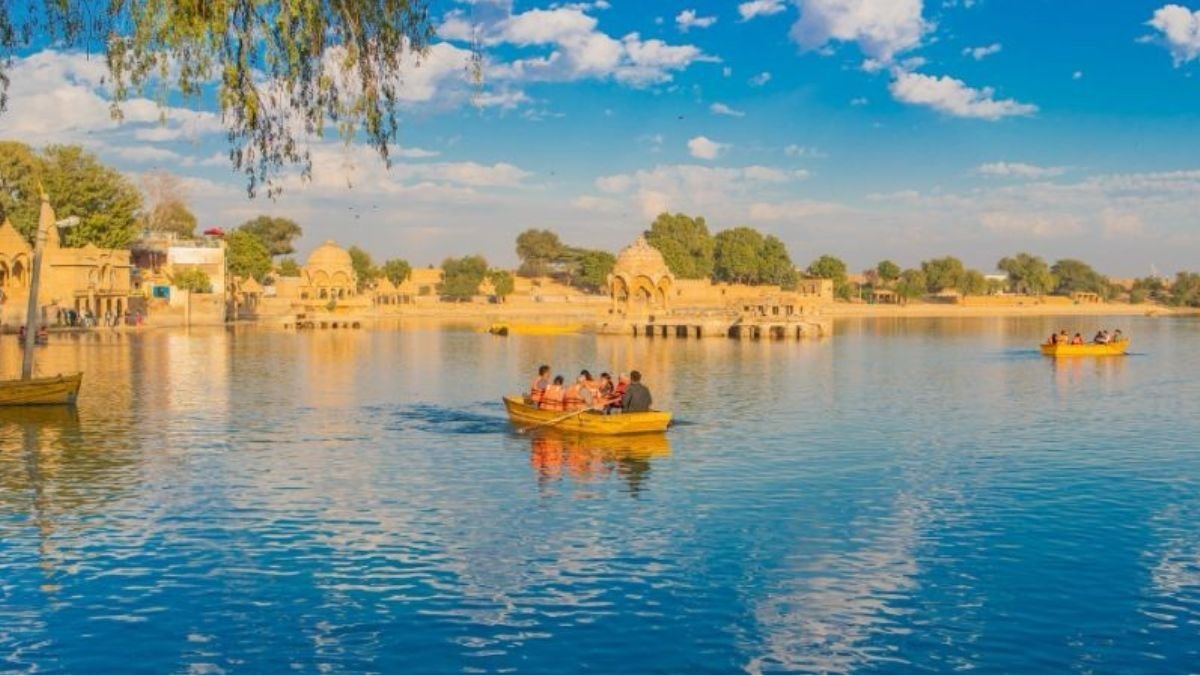
Just beyond the fort walls, Jaisalmer showcases some of India’s finest residential stone craftsmanship in its historic merchant mansions, or havelis. Patwon Ki Haveli, a cluster of five interconnected residences built in the nineteenth century, displays delicate facade carvings so intricate they resemble woven lace rather than solid rock. Nearby, Nathmal Ki Haveli and Salim Singh Ki Haveli illustrate how wealthy traders adapted traditional desert architecture to capture cooling breezes while displaying their artistic patronage. Pairing these architectural landmarks with a morning walk along the serene ghats and carved pavilions of Gadisar Lake creates an effortless first day of urban sightseeing that requires minimal transit time.
Seamless Transition to the Thar Desert
What elevates Jaisalmer above purely heritage-focused cities is how quickly urban exploration gives way to raw wilderness. Roughly forty kilometers west of the city center lies the sweeping expanse of Kanoi and the surrounding dunes, where golden sand ridges stretch toward the horizon. Travelers can stop en route at the abandoned stone village of Kuldhara or the ruins of Khaba Fort to understand the region’s fragile desert ecology and historical trade routes before arriving at the dunes in the late afternoon. Choosing a well-established desert camp in sam sand duens allows visitors to anchor their overnight stay right at the edge of the sand sea, eliminating the need to drive back to the city after dark.
Authentic Desert Comfort and Hospitality
Modern desert hospitality in Jaisalmer has evolved far beyond basic backcountry camping, offering travelers genuine comfort without sacrificing proximity to nature. Staying in a spacious swiss tent in Jaisalmer provides insulated canvas walls, proper bedding, and attached private washrooms with hot water—essential amenities after an afternoon camel or jeep safari across dusty trails. Properties such as Magra Desert Camp pair these practical comforts with attentive local staff from neighboring villages, ensuring guests experience warm, grounded Rajasthani hospitality alongside dependable cleanliness and safety.
Cultural Immersion Under Starlit Skies
As twilight settles over the Thar Desert and temperatures drop rapidly, Jaisalmer’s sightseeing itinerary shifts from visual landmarks to living cultural traditions. Evening gatherings bring together travelers around a warm bonfire night on dunes in Jaisalmer, where local Manganiyar folk musicians perform soulful ballads and Kalbelia dancers spin in vibrant traditional attire. Dinner follows with freshly prepared regional specialties such as dal baati churma, ker sangri, and gatte ki sabzi, served under an unpolluted desert sky brilliant with stars.
Practical Advantages for Every Traveler
- Compact Geography: Major city monuments sit within walking distance or a short auto-rickshaw ride of one another, while the dunes are reachable within an hour’s drive.
- Flexible Pacing: Two full days cover the essential fort, havelis, lake, and overnight desert experience, while three or four days allow deeper exploration of fossil parks, border temples, and quieter dune ridges.
- Year-Round Appeal with Peak Winter Comfort: Between October and March, crisp mornings and cool desert nights create ideal conditions for walking tours, safaris, and outdoor dining.
- Diverse Experiences in One Destination: Few itineraries seamlessly unite living medieval fortifications, nineteenth-century merchant palaces, adventure safaris, and authentic folk performances in a single trip.
By balancing monumental history with intimate desert hospitality, Jaisalmer delivers a cohesive, unforgettable travel itinerary that stays with visitors long after they leave the golden sands.