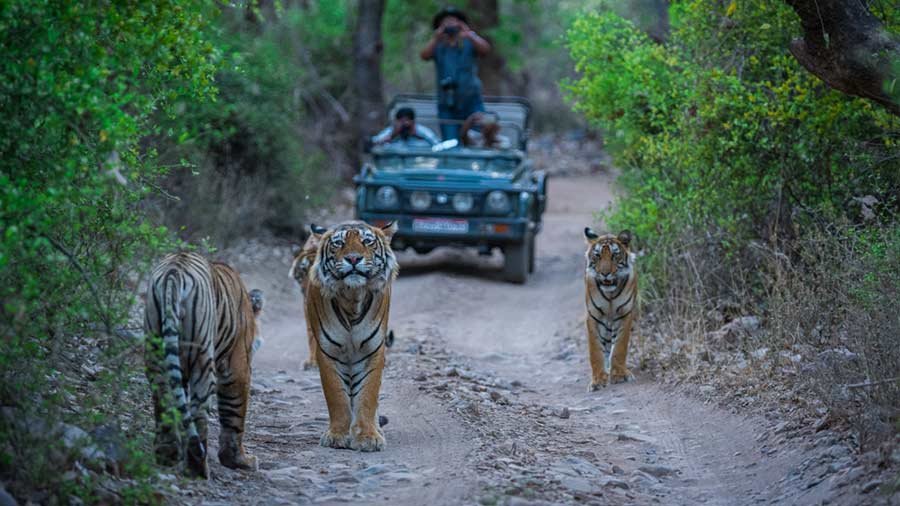
Finding the perfect balance between adventure and comfort is essential when planning a summer wildlife getaway. If you are looking for an immersive escape, choosing a premier resort in Ranthambore ensures that your stay is as rejuvenating as the safari itself. While many travelers hesitate at the thought of the Rajasthan sun, May and June actually offer some of the most rewarding wildlife sightings of the year. The thinning vegetation and drying water holes force the majestic Bengal tigers out of the deep brush, providing enthusiasts with unparalleled views of these apex predators in their natural habitat.
Why Summer is Secretly the Best Time for Tiger Sightings
Experienced naturalists and wildlife photographers often prefer the peak summer months for one specific reason: visibility. During the monsoon or winter, the lush greenery of the Ranthambore National Park provides ample cover for tigers to remain hidden. However, by May and June, the deciduous forests of the Aravalli and Vindhya ranges lose their leaves. The golden-brown landscape creates a stark contrast against the tiger’s vibrant stripes, making them much easier to spot even from a distance.
Furthermore, the heat dictates animal behavior. Tigers are high-maintenance cats that struggle with the soaring temperatures. They spend significant portions of the day lounging in the remaining water bodies or resting in the cool shade of the “Badi Ghati” or near the ancient ruins. This predictability allows guides to track movements with higher precision, increasing the likelihood of witnessing a tiger family or a solitary male patrolling its territory.
Preparing for Your Jeep Safari in Ranthambore
Success in the wild requires more than just luck; it requires preparation. Booking a jeep safari in Ranthambore is widely considered the most effective way to navigate the rugged terrain and get closer to the action. Jeeps are smaller, quieter, and more maneuverable than larger vehicles, allowing for a more intimate and focused wildlife experience.
When heading out in the summer heat, timing is everything. Morning safaris start at the crack of dawn to take advantage of the cooler air when animals are most active. Afternoon safaris, while warmer, often culminate in sightings near lakes as the sun begins to set. To stay comfortable, we recommend wearing lightweight, breathable cotton clothing in neutral tones like khaki, olive green, or beige. These colors help you blend into the environment and reflect rather than absorb heat. A wide-brimmed hat, high-SPF sunscreen, and polarized sunglasses are non-negotiable essentials for any summer traveler.
Navigating the Ranthambore Jungle Safari Zones
The park is divided into several zones, each offering a unique landscape and different tiger territories. A Ranthambore jungle safari across these varied terrains provides a comprehensive look at the park’s biodiversity. During May and June, zones with significant water bodies—such as Zone 3 (Padam Talao) or Zone 4 (Malik Talao)—are often the most coveted. These areas act as the lifeblood of the forest during the drought-like conditions of summer.
However, the “buffer” zones and outer circuits shouldn’t be ignored. Often, these areas are less crowded, offering a more peaceful atmosphere where you can observe not just tigers, but also leopards, sloth bears, and a variety of bird species like the Crested Serpent Eagle or the Painted Stork. The expertise of a local guide is invaluable here, as they understand the seasonal migration of prey species like Sambar deer and Chital, which the tigers closely follow.
Expert Tips for Beating the Rajasthan Heat
Surviving the 40°C+ temperatures requires a strategic approach to hydration and rest. While the thrill of the chase is exhilarating, the physical toll of the sun can be intense. We advise drinking water fortified with electrolytes throughout the day—not just during the safari. Avoid heavy, oily meals before heading into the park; instead, opt for light, hydrating foods like seasonal fruits, yogurt, and fresh salads.
The “Golden Hour” of photography in May and June is particularly beautiful. The dust in the air catches the late afternoon light, creating a hazy, ethereal glow that is perfect for capturing the raw essence of the desert forest. Between safaris, take advantage of your resort’s amenities. A midday dip in a swimming pool or a nap in a climate-controlled room is not just a luxury; it is a necessity to recharge your energy for the next drive.
Commitment to Conservation and Responsible Tourism
Visiting Ranthambore in the summer also highlights the critical importance of water management in conservation. You will likely see man-made water holes being replenished by park authorities to support the wildlife. As a visitor, practicing responsible tourism is vital. This means maintaining absolute silence during sightings, strictly following the “no littering” policy, and respecting the boundaries set by the forest department.
The tigers of Ranthambore, such as the descendants of the legendary Machli, are global icons. By visiting during the off-peak heat, you are supporting the local economy and the park’s maintenance during a challenging season. The bond between the local community and the forest is what keeps this ecosystem thriving. Choosing an eco-conscious stay ensures that your visit contributes positively to the protection of these endangered big cats.
In conclusion, while the heat of May and June is formidable, the rewards are unmatched. It is a time of raw beauty, dramatic sightings, and the quiet intensity of the Indian summer. With the right preparation, a reliable vehicle, and a comfortable base to return to, your summer safari will be an unforgettable chapter in your travel history. Witnessing a tiger break the surface of a shimmering lake in the afternoon sun is a sight that makes every bit of the summer heat worth it.