Planning a getaway to the heart of Rajasthan requires a balance of adventure, heritage, and luxury. When looking for the best resort in Ranthambore, travelers often seek a sanctuary that mirrors the rugged beauty of the landscape while providing expert insight into the local ecosystem. Sawai Madhopur is not just a gateway to the wild; it is a region steeped in history and natural splendor that demands a well-thought-out itinerary to truly appreciate its depth.
The Majestic Ranthambore Fort
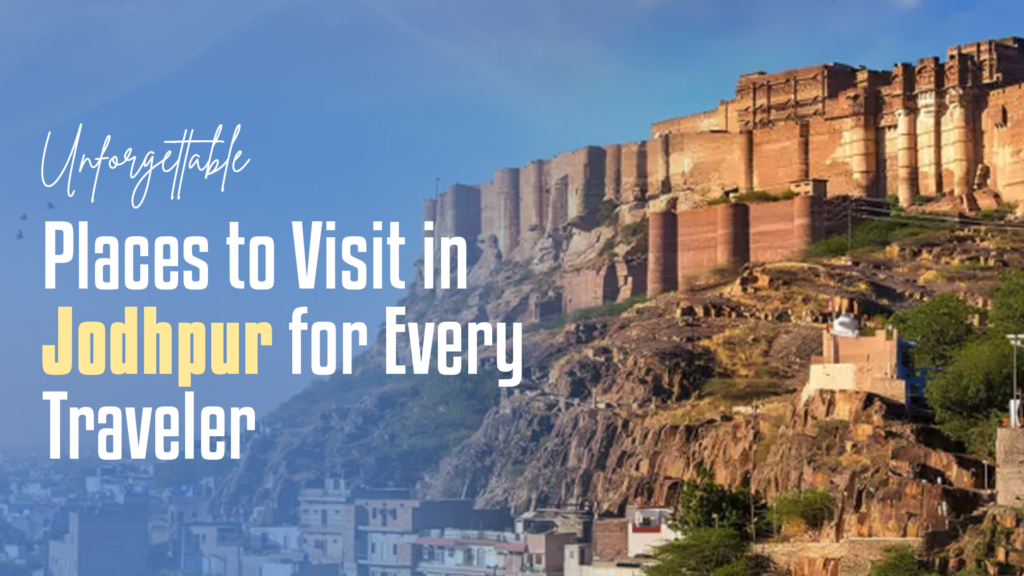
A UNESCO World Heritage site, the Ranthambore Fort stands as a sentinel over the National Park. Built in the 10th century, this formidable structure offers panoramic views of the surrounding jungle and the lakes below. Walking through its massive gates—Andharee Bari, Hathi Pol, and Ganesh Pol—allows visitors to step back in time. The architectural brilliance of the Hammir Court and the various temples within the walls demonstrates the strategic and cultural importance this fort held for the Chauhan dynasty. To truly embody the E-E-A-T principles of travel writing, one must highlight that visiting the fort requires a moderate level of physical fitness, as the climb involves several hundred steps, but the reward of seeing soaring eagles and the sprawling valley below is unparalleled.
Wildlife Encounters in the National Park
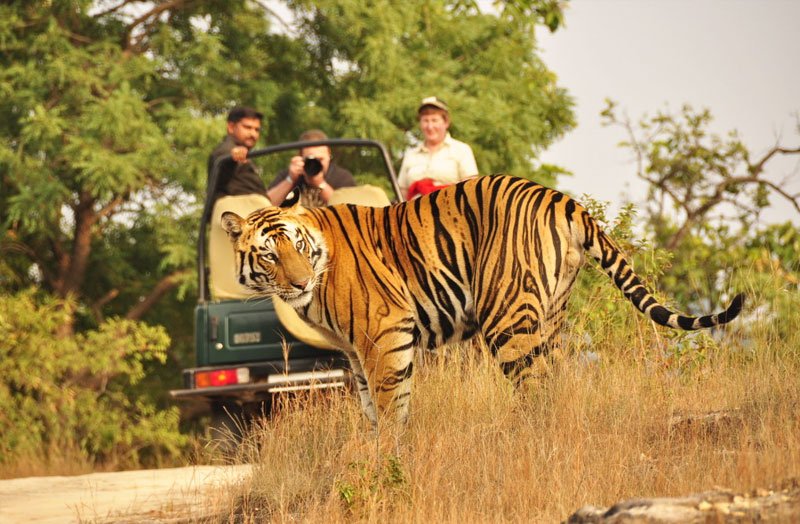
The primary draw for any visitor to Sawai Madhopur is the chance to witness the Royal Bengal Tiger in its natural habitat. Booking a jeep safari in Ranthambore is widely considered the most intimate way to explore the diverse zones of the park. Unlike larger vehicles, a jeep offers the agility to navigate narrower trails where predators often lurk in the undergrowth. Experienced naturalists guide these excursions, tracking pugmarks and listening for alarm calls from deer and monkeys to locate the big cats. Beyond tigers, the park is home to leopards, sloth bears, and over 300 species of birds, making it a critical hub for biodiversity conservation and wildlife photography enthusiasts who value authentic field observations.
Trinetra Ganesh Temple
Located within the Ranthambore Fort, the Trinetra Ganesh Temple is unique globally as it features the three-eyed idol of Lord Ganesha. This temple holds immense significance for devotees who send wedding invitations and letters to the deity, seeking his blessings for new beginnings. The atmosphere here is one of profound faith, and the rhythmic chanting during the ‘Aarti’ provides a spiritual counterpoint to the raw wildness of the jungle nearby. It is a place where culture and nature intersect, offering a quiet moment of reflection amidst a busy touring schedule.
Exploring the Lakes: Padam Talao and Malik Talao
The water bodies within the region are vital lifelines for the local fauna. Padam Talao is the largest lake in the park, famous for the Jogi Mahal situated on its banks. It is here that one can often spot chital (spotted deer) grazing or crocodiles basking in the sun. During the early morning hours, the reflection of the fort in the still waters creates a hauntingly beautiful scene. These lakes are essential stopovers during safaris, providing the best opportunities to see wildlife congregate, especially during the dry summer months when water sources become scarce.
Cultural Immersion and Local Craft
Beyond the jungle, there are many things to do Sawai Madhopur that connect travelers with the local community. The Shilpgram (Craft Village) is a must-visit for those interested in traditional Rajasthani arts. Here, local artisans demonstrate pottery, block printing, and the intricate work of “Mandana” painting. Supporting these local cooperatives ensures that the economic benefits of tourism reach the grassroots level, fostering a sustainable relationship between the park and the people who live on its periphery.
Rajiv Gandhi Regional Museum of Natural History
For those who want to understand the “why” behind the conservation efforts in India, this museum is an invaluable resource. It is one of the few institutions in the country dedicated to the natural history of the western region. The exhibits are detailed and educational, focusing on the flora, fauna, and geology of Rajasthan. It provides a scientific perspective that complements the visual experience of a safari, helping visitors appreciate the delicate balance required to maintain a tiger reserve in the modern age.
The Serenity of Surwal Lake
Located about 10 kilometers from the main town, Surwal Lake is a seasonal haven for migratory birds. Between November and March, the lake becomes a bustling colony for painted storks, flamingos, and spoonbills. It is a quiet alternative to the high-energy environment of the tiger reserve, perfect for birdwatchers who prefer a slower pace. The sunrise at Surwal Lake is particularly striking, with the golden light hitting the water and the silhouettes of thousands of birds taking flight, providing a masterclass in natural beauty.
Kachida Valley and Lakarda
For a deeper dive into the wilderness, the Kachida Valley offers a different terrain characterized by rugged hills and lush greenery. This area is known for a higher population of leopards, which tend to avoid the tiger-dominated central zones. Nearby, Lakarda and Anantpura are regions dense with honeycombs and anthills, frequently visited by sloth bears. Visiting these peripheral zones requires a genuine appreciation for the ecosystem as a whole, rather than just a checklist for tiger sightings.
Choosing the Right Season for Your Visit
To maximize the quality of a tour in Sawai Madhopur, timing is everything. The park remains closed during the monsoon season (July to September) to allow for breeding and to prevent damage to the forest tracks. The peak season runs from October to June. While the winter months offer pleasant weather for fort exploration and photography, the hotter months of April and May offer the highest probability of wildlife sightings at watering holes. Understanding these nuances is a hallmark of expert travel planning, ensuring that every moment spent in this historic land is optimized for both comfort and discovery. Sawai Madhopur remains a testament to India’s ability to preserve its royal past while fiercely protecting its wild future.