Understanding the Golden Triangle Circuit
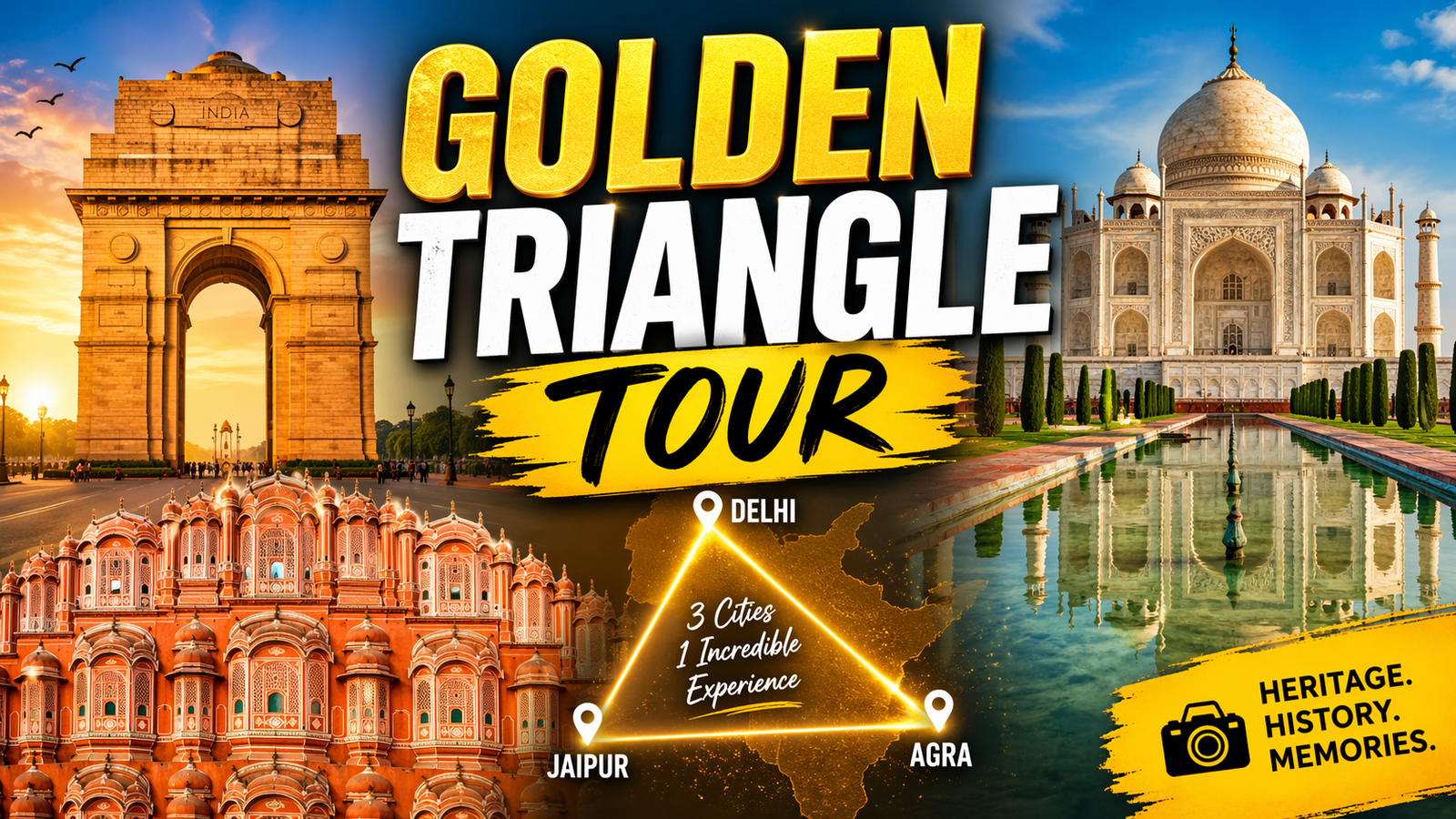
The Golden Triangle is arguably India’s most famous tourist circuit. It connects three iconic cities in the northern part of the country: Delhi, Agra, and Jaipur. On a map, these three destinations form an almost equilateral triangle, with each leg of the journey being roughly 200 to 250 kilometers apart. For many international travelers, this route serves as the ultimate introduction to the diverse landscapes, deep-rooted history, and vibrant traditions that define the Indian subcontinent.
What makes this circuit so special is the sheer variety of experiences it offers within a relatively small geographical area. From the bustling, chaotic markets of Old Delhi and the architectural precision of the Mughal Empire in Agra to the royal desert charm of Jaipur, the Golden Triangle provides a balanced glimpse into India’s past and present. Whether you are a history buff, a photography enthusiast, or a culinary explorer, this journey delivers a sensory experience that is both intense and rewarding.
Exploring the Historical Heart of Delhi
The journey typically begins in Delhi, the national capital and a city that has served as the seat of power for numerous empires over the centuries. Delhi is a city of two halves: Old Delhi and New Delhi. In Old Delhi, the narrow, winding lanes of Chandni Chowk offer a glimpse into the 17th century. Here, the scent of spices and street food fills the air, while the massive Red Fort and Jama Masjid stand as testaments to Mughal grandeur.
New Delhi, designed by the British in the early 20th century, presents a stark contrast with its wide boulevards, lush green parks, and imposing colonial structures like India Gate and Rashtrapati Bhavan. Visitors often spend their time exploring UNESCO World Heritage sites such as Humayun’s Tomb and the Qutub Minar. Because the capital is so sprawling, many travelers choose to book golden triangle tours from delhi to ensure they see the most significant landmarks without the stress of navigating the city’s complex traffic on their own.
The Eternal Romance of Agra
From Delhi, the tour moves south to Agra, located in the state of Uttar Pradesh. While Agra was once the capital of the Mughal Empire, it is now globally recognized for one thing: the Taj Mahal. Built by Emperor Shah Jahan in memory of his beloved wife Mumtaz Mahal, this white marble mausoleum is widely considered the most beautiful building in the world. Witnessing the Taj Mahal at sunrise, when the marble shifts from soft grey to pale pink and finally to brilliant white, is a bucket-list moment for every traveler.
However, Agra has more to offer than just the Taj Mahal. The Agra Fort, a massive red sandstone fortress, provides incredible views of the Taj across the Yamuna River and contains a maze of palaces and mosques. Additionally, a short drive from the city leads to Fatehpur Sikri, a perfectly preserved “ghost city” that was abandoned shortly after its construction due to water shortages. These sites collectively tell the story of an era defined by artistic brilliance and architectural ambition.
The Royal Splendor of Jaipur
The final corner of the triangle is Jaipur, the capital of Rajasthan and famously known as the “Pink City.” Jaipur was India’s first planned city, and its distinctive terracotta-pink buildings were painted to welcome the Prince of Wales in 1876. Today, the city remains a bastion of Rajput culture and royal heritage. The Amer Fort, perched on a hilltop overlooking Maota Lake, is the highlight of any visit, featuring intricate carvings, mirror work, and expansive courtyards.
In the heart of the city, the Hawa Mahal (Palace of Winds) stands with its unique honeycomb facade, designed to allow royal ladies to observe street festivals without being seen. Other must-visit spots include the City Palace, which still serves as a residence for the royal family, and the Jantar Mantar, an ancient astronomical observatory. Rajasthan Tour Services often helps travelers delve deeper into this region, offering guided insights into the local crafts, such as block printing and jewelry making, that make Jaipur a world-class shopping destination.
Planning Your Indian Adventure
While the Golden Triangle is a well-trodden path, the quality of your experience often depends on the logistics. The route is well-connected by the Yamuna Expressway and the Indian Railways, including high-speed trains like the Gatimaan Express. However, for maximum flexibility and comfort, many visitors prefer private chauffeured tours. This allows for spontaneous stops at hidden gems like the Abhaneri stepwells or local roadside eateries that serve authentic North Indian cuisine.
The best time to embark on this journey is between October and March when the weather is cool and pleasant. During these months, you can explore the forts and markets comfortably without the intense heat of the Indian summer. As you plan your visit, remember that the Golden Triangle is more than just a series of monuments; it is an immersive dive into the soul of a nation. By starting with this iconic route, you gain the confidence and context needed to explore the rest of this vast and beautiful country.