Jaipur, popularly known as the Pink City, is one of the most visited destinations in India. As the capital of Rajasthan, it offers a perfect blend of royal heritage, architectural beauty, vibrant markets, and cultural experiences. Whether you are visiting for the first time or returning to explore more, Jaipur has countless attractions that showcase the grandeur of Rajput history. From magnificent forts to beautiful palaces, every corner of the city tells a fascinating story.
Amber Fort
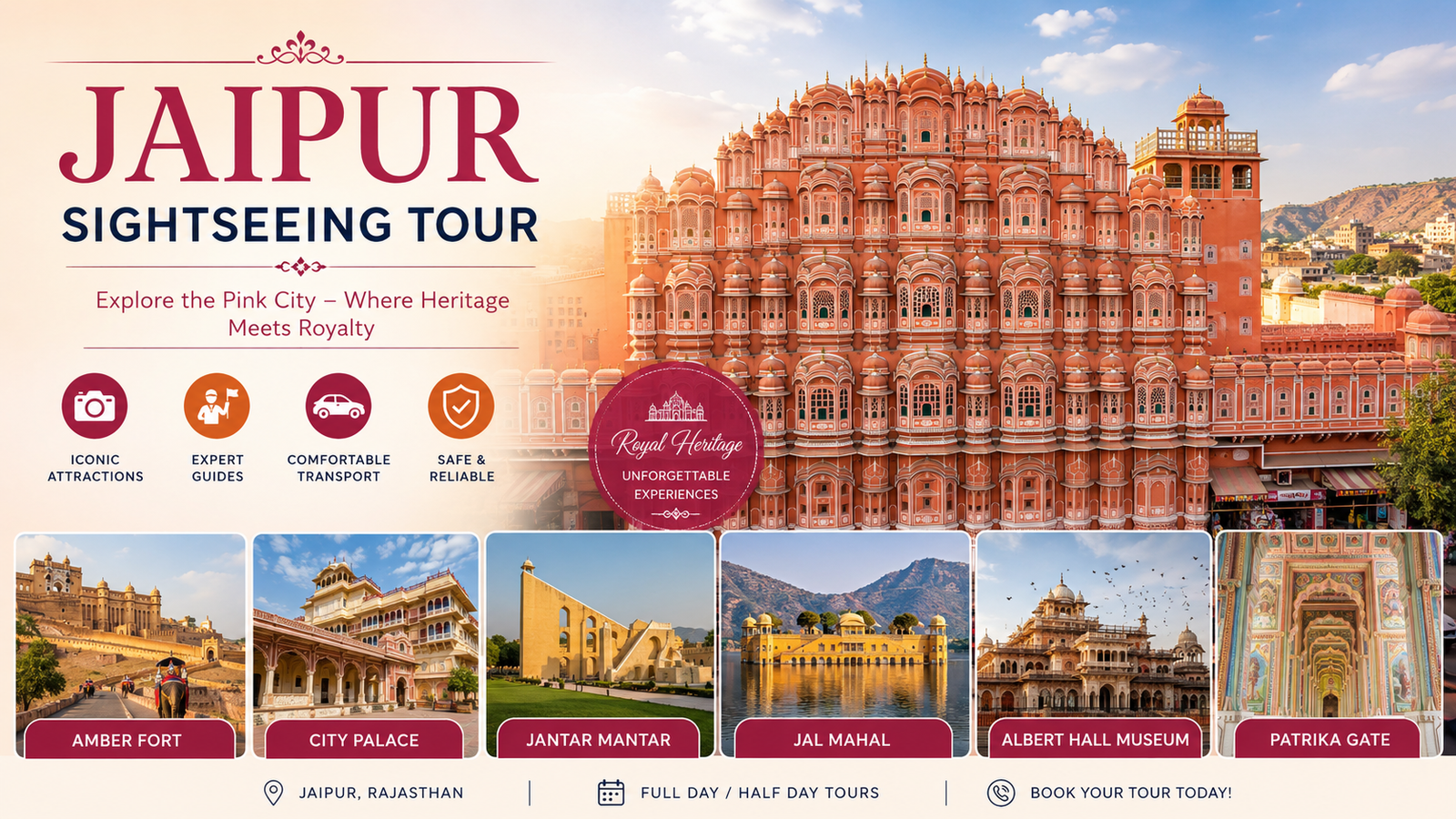
Amber Fort is one of Jaipur’s most iconic landmarks. Located on a hill overlooking Maota Lake, this majestic fort is famous for its impressive architecture and artistic details. Built using red sandstone and marble, the fort features grand courtyards, beautiful gates, and the stunning Sheesh Mahal, also known as the Mirror Palace.
Visitors can spend hours exploring the various sections of the fort while enjoying panoramic views of the surrounding hills. The combination of Rajput and Mughal architectural styles makes Amber Fort a must-visit destination.
City Palace
Situated in the heart of Jaipur, City Palace reflects the royal heritage of the former rulers of Rajasthan. The palace complex includes courtyards, museums, gardens, and elegant buildings that display royal artifacts, costumes, and weapons.
The beautifully decorated Peacock Gate and Chandra Mahal attract visitors from around the world. City Palace offers a deeper understanding of Jaipur’s royal history and cultural significance.
Hawa Mahal
Hawa Mahal, also known as the Palace of Winds, is among the most photographed monuments in India. Built in 1799, the structure features 953 small windows designed to allow royal women to observe street activities without being seen.
Its unique honeycomb-shaped facade and pink sandstone construction perfectly represent Jaipur’s architectural charm. A visit to Hawa Mahal is essential for anyone interested in history and photography.
Jantar Mantar
Jantar Mantar is a UNESCO World Heritage Site and one of the largest astronomical observatories ever built. Constructed by Maharaja Sawai Jai Singh II, the observatory contains several massive instruments used to study celestial movements and measure time.
The site demonstrates the scientific achievements of ancient India and remains a fascinating attraction for travelers interested in astronomy and engineering.
Nahargarh Fort
Perched on the Aravalli Hills, Nahargarh Fort offers breathtaking views of Jaipur’s skyline. Originally built as a defensive structure, the fort later became a retreat for the royal family.
The fort is particularly popular during sunset when visitors can enjoy spectacular city views. The peaceful atmosphere and historical significance make Nahargarh Fort a favorite among tourists and locals alike.
Jaigarh Fort
Located near Amber Fort, Jaigarh Fort is known for its strong military architecture and strategic location. The fort houses Jaivana Cannon, one of the largest wheeled cannons in the world.
Its extensive fortifications, watchtowers, and underground passages provide valuable insights into Rajasthan’s military history. Exploring Jaigarh Fort is an excellent way to learn about the region’s defense systems during ancient times.
Jal Mahal
Jal Mahal, or the Water Palace, stands gracefully in the middle of Man Sagar Lake. Although visitors cannot enter the palace itself, its scenic surroundings and picturesque appearance make it a popular sightseeing spot.
The palace appears to float on the water, creating a stunning visual experience, especially during sunrise and sunset. It is one of Jaipur’s most recognizable attractions.
Albert Hall Museum
Albert Hall Museum is the oldest museum in Rajasthan and showcases a rich collection of artifacts, paintings, sculptures, textiles, and decorative arts. The museum building itself is an architectural masterpiece inspired by Indo-Saracenic design.
Visitors interested in Rajasthan’s history and cultural heritage will find the museum both educational and enjoyable.
Local Markets and Cultural Experiences
Jaipur is also famous for its vibrant markets. Popular shopping destinations such as Johari Bazaar and Bapu Bazaar offer traditional jewelry, textiles, handicrafts, and souvenirs. Exploring these markets allows travelers to experience the city’s lively atmosphere and local craftsmanship.
Cultural performances, traditional Rajasthani cuisine, and local festivals further enhance the Jaipur sightseeing experience, making every visit memorable.
Planning Your Jaipur Sightseeing Tour
A well-planned itinerary helps travelers cover Jaipur’s major attractions comfortably. Many visitors combine their city exploration with broader Rajasthan journeys. Those looking for extended travel experiences can consider rajasthan tour packages from jaipur to discover multiple heritage destinations across the state in a convenient and organized manner.
For local transportation, choosing a reliable jaipur sightseeing taxi service can make travel between attractions more comfortable and time-efficient, especially for families and first-time visitors.
Atlas India Travel assists travelers with professionally planned tours, experienced drivers, and customized itineraries that help visitors explore Jaipur and Rajasthan with ease.
Conclusion
Jaipur offers an unforgettable combination of history, culture, architecture, and local traditions. From the grandeur of Amber Fort and City Palace to the beauty of Jal Mahal and Nahargarh Fort, the city provides countless opportunities for exploration. Whether you are interested in royal heritage, photography, shopping, or cultural experiences, these popular Jaipur sightseeing destinations deserve a place on your travel itinerary. A carefully planned trip ensures you can fully enjoy everything the Pink City has to offer.