
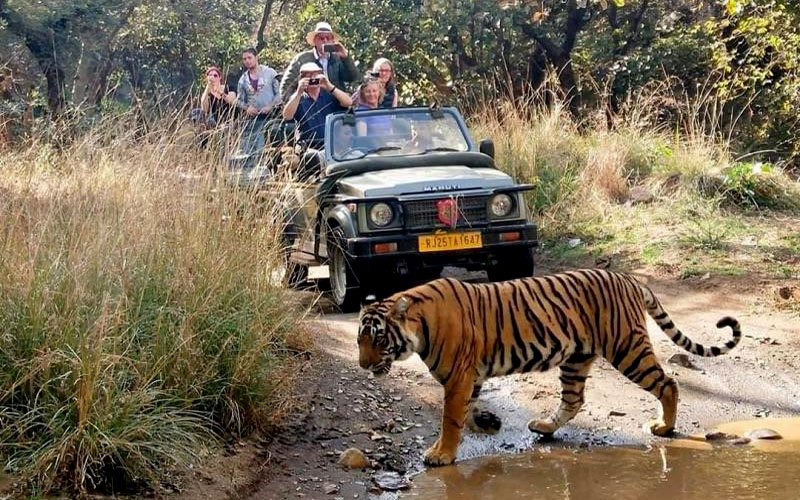
Planning a trip to the wild heart of Rajasthan requires careful strategy, especially when your goal is to spot the majestic Royal Bengal Tiger in its natural habitat. Ranthambore National Park spans over 1,300 square kilometers of rugged terrain, ancient ruins, and dense Dhok forests. Navigating the park’s complex ecosystem can feel overwhelming for first-time visitors and seasoned wildlife enthusiasts alike. The reserve is divided into 10 distinct operational safari zones, each possessing its own topography, territorial dynamics, and tiger movement patterns. Choosing the right zone can significantly alter your wilderness experience and directly impact your chances of a memorable big cat encounter.
To maximize your journey into tiger country, it helps to understand how these zones function, what each sector offers, and how factors like seasonal changes influence animal behavior. Here is an expert breakdown on how to select the ultimate safari zone for your upcoming adventure.
Deciphering the Core vs. Buffer Safari Zone Division
The 10 safari zones of Ranthambore are broadly categorized into core areas (Zones 1 to 5) and peripheral or buffer regions (Zones 6 to 10). Understanding this structural difference helps set realistic expectations before booking your forest drive.
Core Zones (Zones 1 – 5)
Historically, Zones 1 through 5 represent the original habitat boundaries of the national park. These sectors feature high-density prey populations, historic ruins like Jogi Mahal, and prominent natural water bodies such as Padam Talao, Raj Bagh, and Malik Talao. Because water and shade remain concentrated here, core zones historically report high frequencies of tiger activity. They are extremely popular, meaning demand for permits in these sectors is consistently intense.
Buffer Zones (Zones 6 – 10)
As the park’s tiger population expanded, forest authorities opened Zones 6 through 10 to distribute tourism pressure and protect broader territorial corridors. These zones feature steeper ridges, open scrubland, and dry riverbeds. While vehicle density is often lower here—offering a quieter, less congested drive—these sectors should not be overlooked. Dominant males and tigresses with sub-adult cubs frequently hold territories in Zones 6, 8, and 10, delivering thrilling sightings away from heavy safari traffic.
Evaluating Zones Based on Wildlife and Topography
Each zone has a distinct personality shaped by its natural landscape and the resident wildlife occupying the territory. Aligning your personal interests with the right landscape makes all the difference.
Zone 1: The Dry Scrub and Valley Terrain
Entered via Singh Dwar, Zone 1 is defined by steep rocky cliffs and dry scrub valleys. Known as a stronghold for both tigers and leopards, key water points like Tuti ka Nalla and Sultanpur draw animals during the warmer hours of the day.
Zone 2: Water Holes and Diverse Habitats
Zone 2 is widely celebrated for its varied landscapes, ranging from open grasslands to hidden natural springs. Places like Phuta Bandha and Jhalra make this zone a sanctuary for sloth bears, leopards, and several tiger families.
Zone 3: The Picturesque Heritage Core
Home to the iconic Padam Talao lake and framed by the ancient walls of Ranthambore Fort, Zone 3 is arguably the most photographed sector. The combination of wide aquatic vistas, rich deer populations, and open tracks creates optimal conditions for tracking big cats.
Zone 4: The Historic Tiger Territory
Rich in biodiversity and heritage, Zone 4 features dense forest covers intermingled with historic structures. It was once the legendary territory of Machli, the world-renowned tigress. Today, its water bodies like Malik Talab continue to support active tiger territories.
Zone 5: Deep Forest and Anaimal Corridors
Sharing an entry point with Zone 4 before branching off into Kachida Valley, Zone 5 offers deep forest tracks and hilly contours. It provides excellent opportunities for tracking ungulates, sloth bears, and elusive resident big cats.
Zones 6 to 10: Open Horizons and Birdwatching
Zones 6 (Kundal) and 7 (Chidikho) feature open plateau views and deep gorges, while Zone 9 (Kuwalji) sits near the Chakal River, making it an exceptional hub for birdwatching, aquatic life, and territorial male tigers.
Key Factors to Consider When Selecting Your Zone
Selecting the best zone isn’t just about picking a number; it requires evaluating real-time forest conditions, seasonal shifts, and vehicle choices.
Seasonal Shifts and Water Availability
During the early winter months (October to January), dense vegetation and abundant natural water sources spread wildlife throughout the forest. During this time, landscape beauty is peak, but tracking requires patience and skilled naturalists. As summer approaches (March to June), vegetation dries out and temperature rises, forcing animals toward permanent water bodies found in Zones 2, 3, 4, and 5.
Choosing the Right Vehicle Type
Your choice of vehicle impacts how you navigate these paths. A smaller 6-seater Gypsy offers agility and easier maneuvering on narrow, rocky inclines found in hilly sectors. Alternatively, choosing a canter safari in Ranthambore provides an elevated, 20-seater open-bus viewpoint, which is fantastic for scanning open grasslands and lake edges in wider zones.
Planning Multiple Drives
Because tiger movements are wild and unpredictable, relying on a single drive in one zone can leave your experience to chance. Booking a mix of core and buffer zones across multiple shifts (morning and afternoon) significantly increases your probability of tracking fresh pugmarks and observing diverse wildlife behavior.
Expert Tips for an Exceptional Safari Experience
- Book Well in Advance: Forest department rules cap the number of vehicles permitted per zone per shift. Advance booking ensures you secure permits for preferred dates.
- Trust Your Naturalist: Forest guides and drivers track alarm calls from langurs and spotted deer. Listen to their expertise rather than rushing through the forest.
- Stay Patient and Present: A successful drive involves absorbing the entire jungle atmosphere—from ancient trees and rare birds to crocodile-filled lakes.
- Base Yourself Comfortably: After hours on bumpy forest tracks, returning to a comfortable, well-located resort in Ranthambore ensures you remain rested and refreshed for early morning drives.
Securing your permits and planning a memorable Ranthambore jungle safari comes down to balance—combining core sector bookings with open buffer explorations to experience the rich, wild diversity of this royal sanctuary.