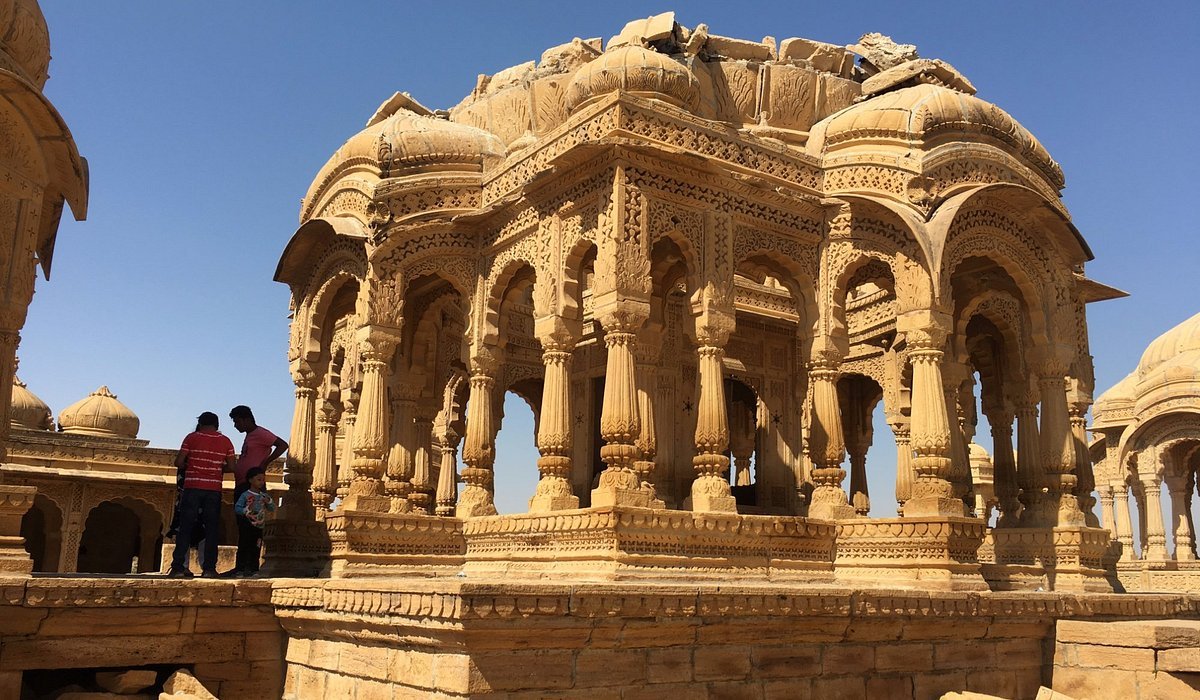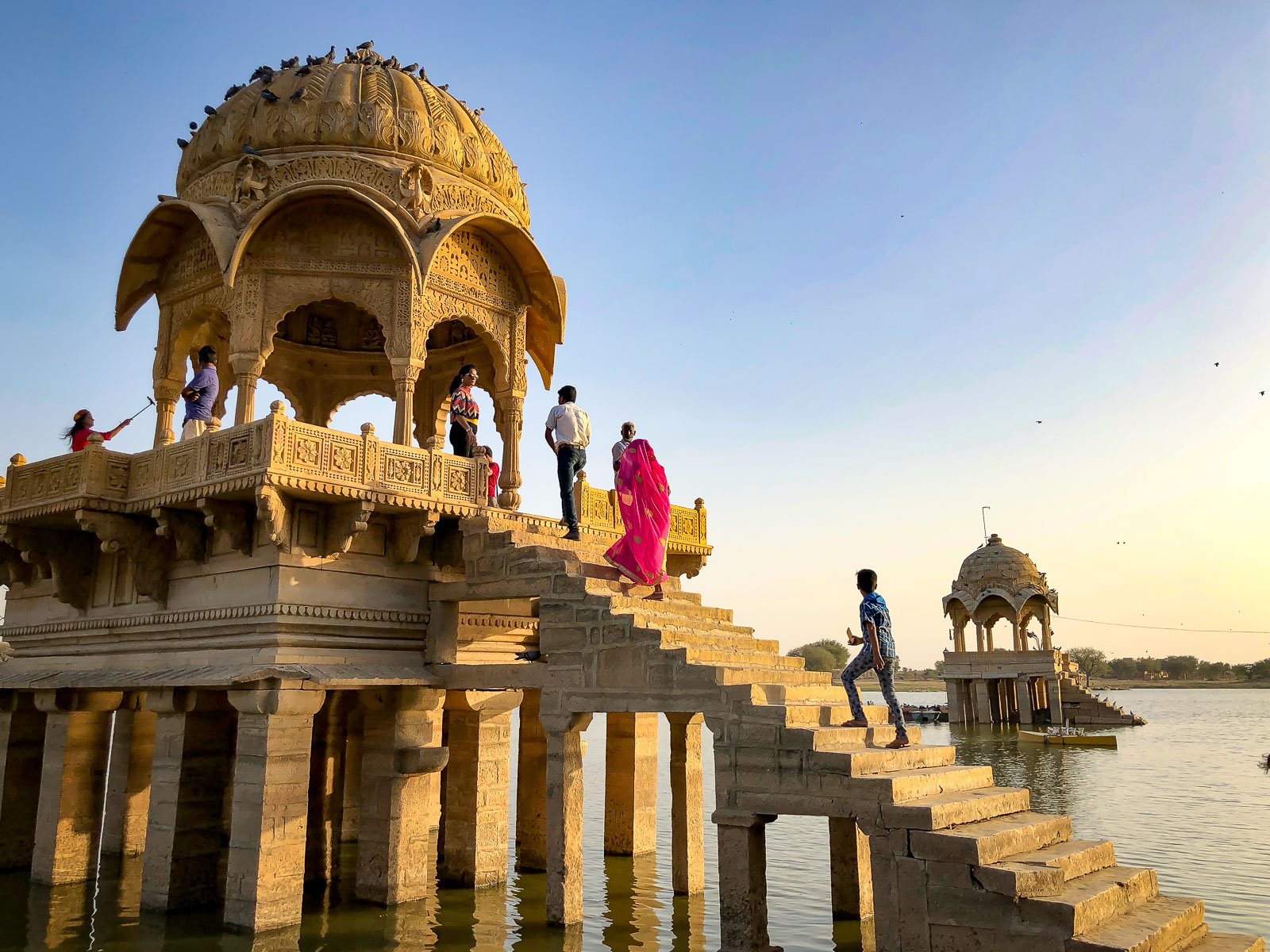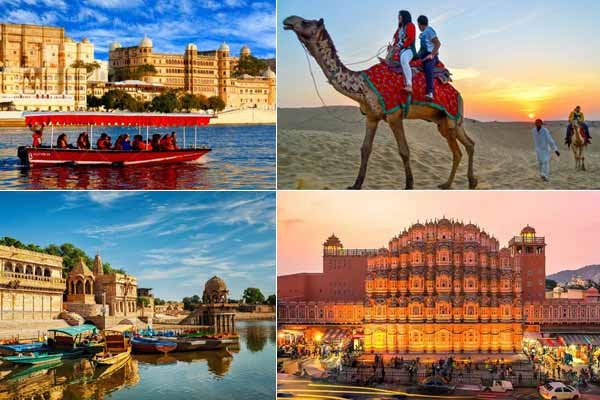
Rising dramatically from the golden sands of the Thar Desert, Jaisalmer is a city carved from yellow sandstone that glimmers like gold under the desert sun. Known worldwide as the Golden City, this historic oasis offers an unforgettable journey into India’s royal heritage, living fortresses, and vast desert landscapes. Planning a trip to Jaisalmer requires understanding its climate, as desert temperatures fluctuate dramatically throughout the year. Choosing the right season ensures a comfortable exploration of ancient architecture and magical nights under starry skies.
Understanding Jaisalmer’s Seasons: When to Visit
Winter Season (October to March) – The Ideal Time
Winter is undeniably the best period to experience Jaisalmer. Daytime temperatures range between 10°C and 25°C, providing a pleasant environment for sightseers walking through narrow fort alleys. Nights can get chilly, with temperatures dropping to around 5°C to 10°C, making evening bonfires and hot Rajasthani dinners especially welcoming. This season also hosts the world-renowned Jaisalmer Desert Festival (Maru Mahotsav) in January or February, featuring cultural performances, folk music, camel races, and local crafts.
Shoulder Season (July to September) – The Monsoon Transition
The monsoon season brings sparse rainfall and humid conditions to the Thar Desert. Temperatures hover around 30°C to 35°C. While the desert terrain briefly blossoms with subtle greenery, high humidity can make outdoor exploration demanding during mid-day. Travelers seeking budget stays and fewer crowds often choose this window.
Summer Season (April to June) – The Off-Peak Months
Summers in Jaisalmer are harsh, with temperatures frequently surpassing 42°C during the day. Outdoor sightseeing between 10:00 AM and 4:00 PM becomes extremely difficult. Camping sites in the sand dunes close down or operate with limited amenities during these months.
Exploring the Majestic Forts and Havelis
A trip to Jaisalmer centers around its living architecture. Unlike static monument museums, the structures here remain vibrant, active parts of daily life.
Jaisalmer Fort (Sonar Qila)
Standing proudly on Trikuta Hill, Jaisalmer Fort is one of the few fully functional “living forts” in the world. Constructed in 1156 AD by Rawal Jaisal, nearly a quarter of the city’s population still resides within its golden walls. Early morning hours (between 7:30 AM and 10:00 AM) offer the best lighting for photography and cooler temperatures for navigating the stone pathways. Inside, visit the intricately carved Jain Temples dating back to the 12th and 15th centuries.
Patwon Ki Haveli and Salim Singh Ki Haveli
Located just outside the fort walls, these merchant mansions showcase remarkable sandstone lattice work (Jali carving) and detailed balconies (Jharokhas). Visiting late in the afternoon allows you to admire the warm golden hues reflected across the carved facades as the sun sets.
Experiencing the Thar Desert: Camping and Safaris
No trip to Rajasthan is complete without venturing into the dunes of Sam, situated roughly 38 kilometers west of the main city. Here, vast undulating sand crests create the classic desert panorama.
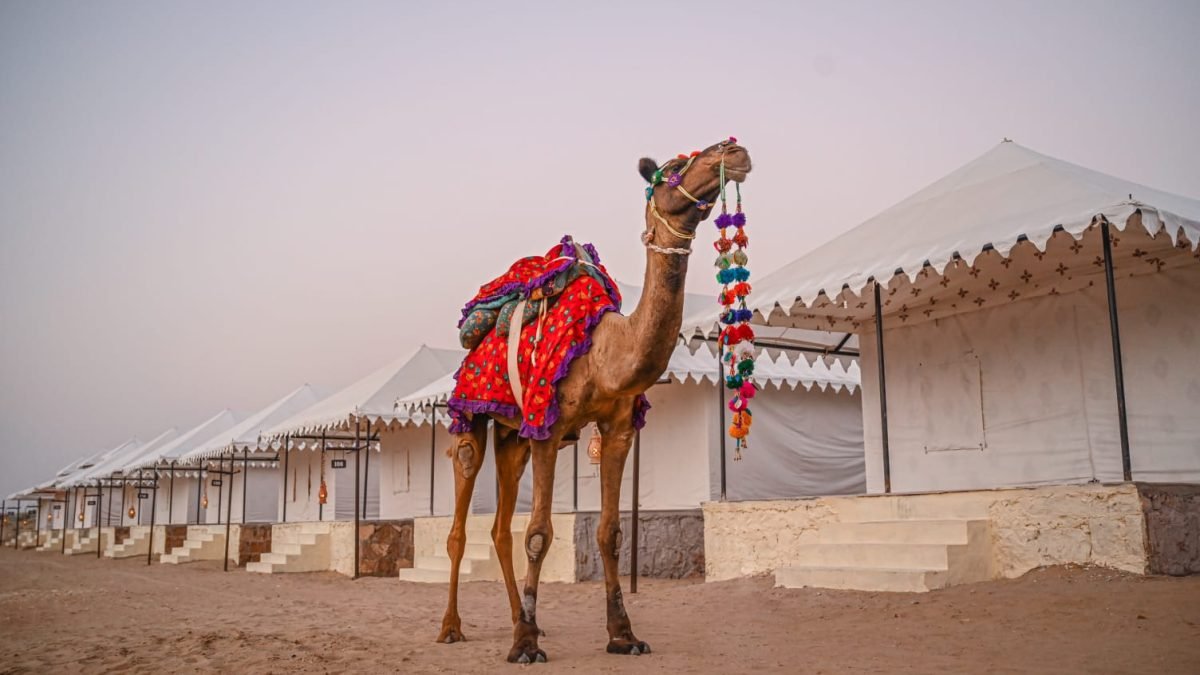
For an authentic, luxury stay right on the golden dunes, Rajwada Desert Camp – desert camp in Jaisalmer provides air-conditioned Swiss tents, traditional Kalbeliya folk dances, and authentic meals prepared over open flames. Staying at a luxury camp lets you experience tranquility as the sun dips below the horizon, followed by stargazing under clear desert skies.
Essential Desert Activities
- Camel Trekking: Experience the slow, rhythmic journey across the dunes during sunset or sunrise.
- Dune Bashing: For adrenaline enthusiasts, an action-packed Jeep Safari in Jaisalmer maneuvers through steep sand crests with experienced local drivers.
- Stargazing & Cultural Nights: Enjoy folk songs, Manganiyar music, and fire dances around a central bonfire at your camp.
Practical Tips for Your Jaisalmer Trip
- How to Reach: Jaisalmer is connected by direct trains from major cities like Delhi, Jaipur, and Jodhpur. Seasonal flights also connect Jaisalmer Airport to major Indian hubs.
- Local Transport: Auto-rickshaws and taxis are readily available. Walking remains the best way to explore inside the Fort and surrounding markets.
- What to Pack: Pack lightweight cotton clothing for daytime winter sun, along with heavy woolens or jackets for winter nights. Don’t forget sunscreen, sunglasses, and a sturdy hat.
- Planning Your Schedule: To hit all the major historical sites and desert activities seamlessly, follow a structured Jaisalmer 2 day itinerary that balances fort exploration with dune safaris.
- Cuisine to Try: Sample traditional dishes like Dal Baati Churma, Ker Sangri (desert bean curry), and spicy Laal Maas.