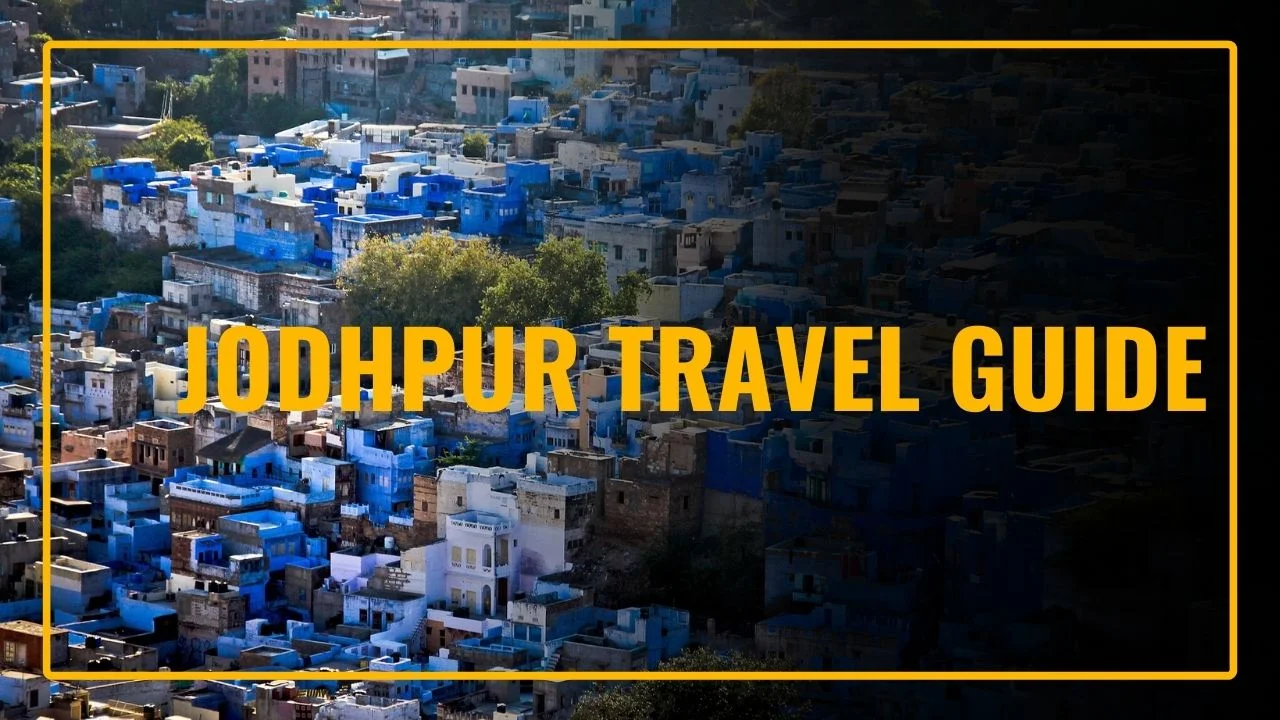

Jodhpur, affectionately called the Blue City, sits on the edge of the Thar Desert, offering a rich blend of monumental architecture, vibrant bazaars, and deep cultural traditions. Walking through the narrow alleyways under the shadow of the imposing Mehrangarh Fort feels like stepping straight into a living museum. Whether you are seeking historic monuments, mouthwatering street food, or breathtaking rooftop views, two days in Jodhpur provide the perfect amount of time to experience its quintessential highlights.
If you are planning an unforgettable trip across the desert state, booking through an experienced tour operator in Rajasthan ensures smooth transfers, expert insider tips, and seamless sightseeing throughout your journey.
Day 1: Fortresses, Stepwells, and Vibrant Markets
Morning: Explore the Mighty Mehrangarh Fort
Start your first morning early at Mehrangarh Fort to avoid the afternoon heat and large crowds. Built in 1459 by Rao Jodha, this massive red sandstone fortress rises 400 feet above the city skyline. Walking up the ramparts, you can still see preserved cannonball indentations from past battles. Inside, the fort museum showcases a rare collection of royal palanquins, ivory armor, carved turbans, and ornate thrones.
Do not miss exploring Moti Mahal (Pearl Palace), Phool Mahal (Flower Palace), and Sheesh Mahal (Mirror Palace), each showcasing intricate mirror work, stained glass, and painted gold ceilings. Plan to spend around 2.5 to 3 hours here to fully absorb the history.
Midday: Jaswant Thada and Toorji Ka Jhalra
Just a short five-minute drive or ten-minute walk from the fort exit lies Jaswant Thada, a marble cenotaph built in 1899 in memory of Maharaja Jaswant Singh II. Often referred to as the “Taj Mahal of Marwar,” its thin, polished marble sheets emit a soft warm glow when sunlight strikes them. The surrounding carved gazebos, tiered gardens, and small tranquil pond make it an ideal place for quiet reflection.
Next, head down into the old city to visit Toorji Ka Jhalra, an 18th-century stepwell carved from signature rose-red sandstone. Submerged for decades before being restored, this architectural marvel is now a lively hangout spot where locals cool off. Enjoy a leisurely coffee or lunch at one of the cafes overlooking the steps.
Afternoon & Evening: Clock Tower, Sardar Market, and Sunset Views
Spend your late afternoon wandering through Sardar Market, centered around the historic Ghanta Ghar (Clock Tower). The surrounding bazaars smell of ground spices, hand-woven textiles, leather mojris, and antique silver jewelry. Be sure to stop by Shri Mishrilal Hotel near the clock tower gate for their famous Makhaniya Lassi—a rich, cardamom-infused yogurt drink topped with thick cream and saffron.
To wrap up your first day, walk up to Pachetia Hill or secure a table at a rooftop restaurant near the market. Watching the setting sun cast warm golden light over thousands of indigo-painted houses while Mehrangarh Fort illuminates overhead is one of the most memorable sights in Rajasthan.
Day 2: Royal Palaces, Desert Parks, and Heritage Heritage
Morning: Discover Rao Jodha Desert Rock Park
Begin your second day with a peaceful morning trail at Rao Jodha Desert Rock Park, located right at the foot of Mehrangarh Fort. Established in 2006 to restore the natural ecology of a rocky wasteland, this 70-hectare park features native desert plants, volcanic rock formations, and scenic walking trails. Hiring an eco-guide at the entrance helps you spot unique flora, desert birds, and lizards that thrive in this arid landscape.
Midday: Visit Umaid Bhawan Palace
Head east towards Umaid Bhawan Palace, one of the world’s largest private residences. Built between 1929 and 1943 using golden-yellow sandstone, the palace blends Indo-Saracenic and Art Deco architecture. While part of the palace serves as a luxury hotel run by Taj and another part remains the private residence of the Jodhpur royal family, the public museum offers a glimpse into royal history. Highlights include an extensive collection of vintage clocks, royal porcelain, stuffed hunting trophies, and a classic car gallery housed in the front gardens.
For travelers who want a curated travel package exploring historical monuments across neighboring cities like Jaipur, Udaipur, and Jaisalmer, booking a tailored Rajasthan heritage tour offers an ideal itinerary balance.
Afternoon: Mandore Gardens and Local Food Tasting
In the late afternoon, take an auto-rickshaw 9 kilometers north of the city center to Mandore Gardens, the ancient capital of Marwar before Jodhpur was founded. Unlike traditional cenotaphs set on elevated platforms, Mandore’s royal devals are built like Hindu temples with detailed spires carved from dark red sandstone. The surrounding lush gardens are home to playful langurs, historic ruins, and a hall dedicated to local deities.
Before returning to your hotel, indulge in Jodhpur’s legendary street food. Try hot, crispy Mirchi Vadas (spiced potato-stuffed green chilies fried in chickpea batter) at Janta Sweet Home, paired with fresh Pyaaz Kachoris.
If you have limited time and prefer a hassle-free day with dedicated private transport and an expert local guide, choosing a comprehensive Jodhpur sightseeing tour allows you to cover all these major landmarks comfortably.
Practical Travel Tips for Visiting Jodhpur
- Best Time to Visit: October to March offers pleasant weather with daytime temperatures ranging between 15°C and 25°C, perfect for outdoor exploration.
- Getting Around: Auto-rickshaws and hand-touts navigate narrow old city lanes best, while private cars are recommended for trips to Umaid Bhawan Palace and Mandore Gardens.
- Dress Code: Dress respectfully when visiting temples or stepwells by covering shoulders and knees, and wear comfortable walking shoes for cobblestones and fort ramps.
- Photography: Most heritage monuments charge a minor camera fee, but the panoramic views of the Blue City from fort ramparts are worth every penny.