
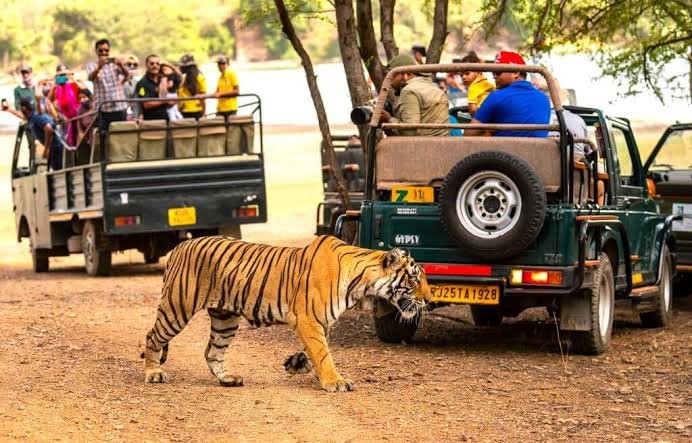
Ranthambore National Park in Rajasthan stands as one of the world’s premier destinations to observe Bengal tigers in their natural habitat. Spanning over 1,300 square kilometers of rugged terrain, ancient ruins, and dense dhok forest, this former royal hunting ground requires thoughtful planning to yield the best wildlife encounters—especially if you only have a 48-hour window. Having organized field excursions and guided safari enthusiasts across Rajasthan for years, I have crafted this realistic 2-day route plan. It covers the most productive safari zones, logistics, and insider field tips to maximize your chance of a memorable tiger sighting while enjoying a comfortable stay at Ranthambore Tiger Resort.
Understanding Ranthambore’s Safari Zones (1 to 10)
The park is divided into 10 administrative safari zones to distribute vehicle traffic and preserve forest ecosystems. Knowing how these zones differ is essential when securing safari slots.
- Core Zones (Zones 1 to 5): Historically known as the tiger stronghold. Zone 2 (Jogi Mahal area) and Zone 3 (Padam Talao) feature prominent lakes, historical pavilions, and high tiger density around perennial water sources. Zone 4 offers dense canopy covers along the legendary Machali territory, while Zone 5 extends into Kachida Valley, excellent for sloth bear and leopard tracking.
- Buffer Zones (Zones 6 to 10): Located on the peripheral hills and riverbanks. Zones 6 and 10 feature open landscapes, rocky valleys, and lower vehicle density. These zones provide quiet forest drives, active birding opportunities, and frequent sightings of resident males and territorial tigresses moving through buffer corridors.
Day-by-Day Ranthambore Route Plan
Day 1: Arrival, Check-In, and Afternoon Drive
Morning (08:00 AM – 12:30 PM): Travel & Arrival Most travelers arrive via Sawai Madhopur Railway Station or drive down from Jaipur (roughly 3.5 to 4 hours). Plan to arrive by midday to settle in, freshen up, and enjoy lunch before your first forest entry. Selecting a centrally located resort in Ranthambore ensures you stay close to the main park gates, cutting down transfer times before afternoon safari lineups. Afternoon (02:00 PM – 05:30 PM): First Forest Safari Your first safari drive introduces you to the park’s landscape. Afternoon light illuminates the ancient banyan trees and sandstone cliffs, offering ideal lighting for photography. Focus on observing alarm calls from chital and langurs, which usually signal a predator moving through the underbrush. Evening (06:30 PM Onward): Relaxation & Wildlife Briefing Return from the dust of the trail to unwind. Unpack your field notes, review your photographs, and enjoy a quiet evening around a courtyard bonfire while listening to naturalists detail the territorial movements of local tigers.
Day 2: Dawn Tracking, Historic Fort, and Departure
Early Morning (06:00 AM – 09:30 AM): Peak Dawn Safari Dawn is the most active time for wildlife tracking. Cold morning air encourages big cats to mark their territories along forest tracks before the sun warms the terrain. Booking an open jeep safari in Ranthambore allows small groups to maneuver quietly through narrow ravine tracks, providing an unobstructed 360-degree view of the canopy and stream beds. Late Morning (10:30 AM – 01:00 PM): UNESCO Ranthambore Fort Exploration After breakfast, visit the 10th-century Ranthambore Fort perched high atop a hill within the park limits. The fort offers sweeping panoramic vistas of the lakes below and is home to the famous Trinetra Ganesha Temple. Soaring eagles, serpentine lakes, and historical stone ramparts make this an essential heritage stop. Afternoon (01:30 PM Onward): Check-Out & Onward Journey Head back to your room, pack your luggage, enjoy lunch, and prepare for your afternoon train or road transfer back home.
Field Tips for an Optimal Wildlife Experience
- Book Permits Early: Forest permits open up to 90 days in advance and fill rapidly during peak winter and spring seasons.
- Layer Your Clothing: Winter mornings (November through February) can be surprisingly cold in open vehicles, while afternoons get warm. Wear neutral earth tones like olive green, khaki, or beige to blend into the natural environment.
- Respect Wildlife Protocols: Maintain silence when a tiger is spotted, avoid standing up inside vehicles, and follow all guidelines provided by your registered forest guide.
Combining targeted zone choices with a structured 2-day itinerary delivers a balanced blend of wilderness exploration, historical grandeur, and rich natural heritage.