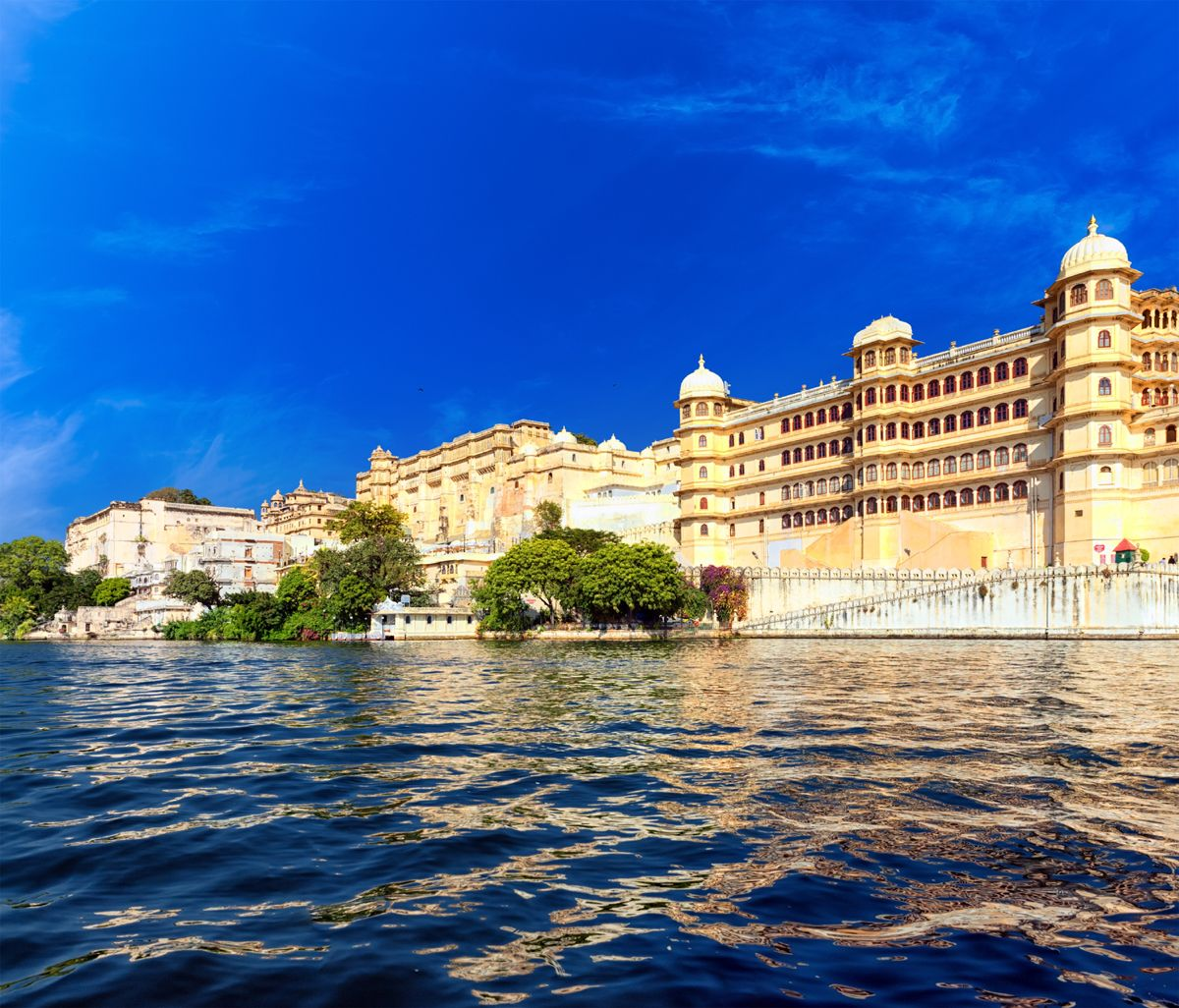
Jawai rests quietly between Jodhpur and Udaipur in the rugged Pali district of Rajasthan, yet the land tells a story unlike any other wilderness on the planet. Billion-year-old granite formations rise sharply from the scrubland, weathered into smooth, dramatic domes that catch the changing desert light. Water from the Jawai Bandh curves through the sandy soil, creating a lifeline for migrating birds, marsh crocodiles, and wild cats. What sets this sanctuary apart is not merely its natural drama, but an enduring harmony between the wilderness and the pastoral people who share its borders. At The Jawai Sagar, guests step directly into this living ecosystem where centuries-old tradition and raw natural beauty meet.
The Granitic Dwellings of Jawai’s Wild Cats
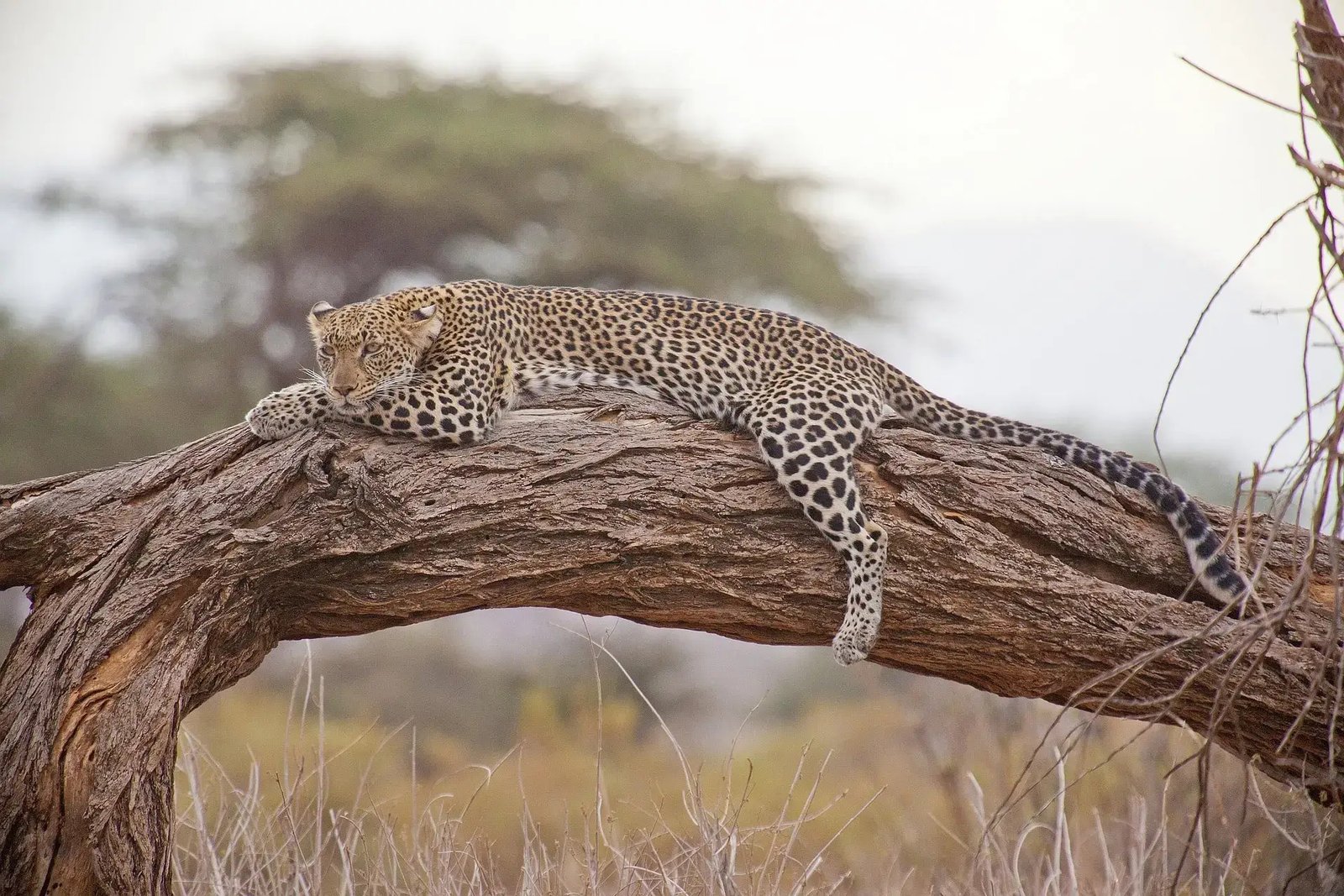
The hills of Jawai, locally known as kopjes, provide a natural sanctuary for a thriving population of Indian leopards (Panthera pardus fusca). Unlike the dense sal forests of Central India or the dry deciduous cover of Ranthambore, Jawai features an open, vertical terrain. Massive granite boulders contain natural caves and fissures that provide cool refuge during the midday heat and elevated lookout points as dusk falls.
Tracking these cats across rock faces requires deep local knowledge, patient observation, and a nuanced understanding of territory markers. Leopard movements here correlate directly with the rhythm of daylight, temperature fluctuations, and water levels across the dam basin. Because the cats have coexisted alongside human settlements for centuries, they display a calm, undisturbed disposition around open safari vehicles, allowing observers to witness natural maternal care, territorial patrolling, and resting behaviors up close.
Peaceful Coexistence with the Rabari Herders
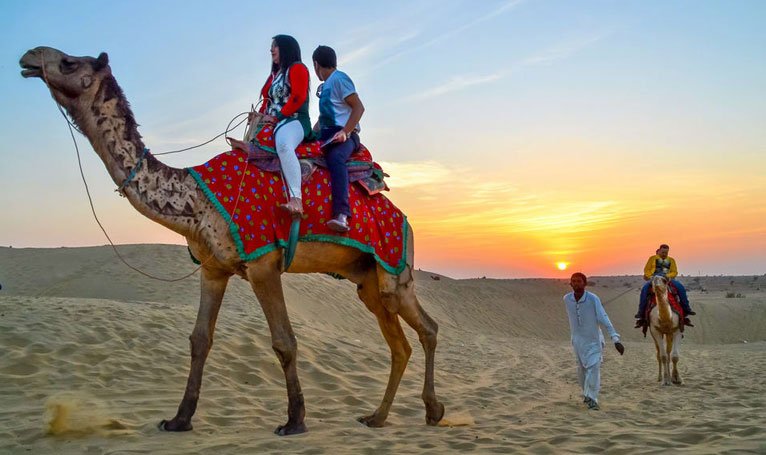
The emotional core of Jawai belongs to the Rabari community, a semi-nomadic pastoral tribe known for their crimson turbans, white tunics, and handcrafted silver ornaments. Legend connects the Rabari lineage directly to Lord Shiva, who entrusted them with the guardianship of camels and livestock.
This pastoral tradition is built on mutual respect with apex predators. The Rabaris hold deep spiritual reverence for the leopard, viewing the animal as an emissary of the local deity Ambe Mata. Even when an occasional sheep or goat is lost to a prowling cat, the community responds without retaliation or hostility, attributing the event to a divine toll for sharing the landscape. This cultural framework has produced one of the highest densities of leopards living in complete harmony beside human villages anywhere in the world. Visiting a Rabari settlement offers insight into milk churning, camel grazing techniques, and hand-embroidered textiles that preserve centuries of nomadic heritage.
Curated Field Expeditions and Wilderness Encounters
Exploring this rugged landscape demands specialized navigation and authentic interpretation from naturalists who have spent their lives studying every boulder and riverbed. Through carefully planned Jawai leopard safari & experiences, travelers venture into the field in open 4×4 safari vehicles equipped to navigate rocky inclines and sandy riverbeds.
Field outings typically unfold during the optimal dawn and dusk activity windows:
- Morning tracking drives focusing on high granite ridges, cave openings, and sunning boulders.
- Lakeside birdwatching circuits along the shores of Jawai Bandh, where thousands of migratory demoiselle cranes, flamingos, bar-headed geese, and pelicans congregate from October to March.
- Marsh crocodile surveys along the shallows, where mugger crocodiles bask in the desert sun.
- Guided village walks through Rabari settlements, offering respectful cultural exchanges and insights into pastoral customs.
- Late evening drives along village perimeters to observe nocturnal wildlife such as Indian striped hyenas, jungle cats, and nilgai.
Knowledgeable trackers rely on pugmarks in the sand, alarm calls from langurs and peafowl, and territorial scratch markings on trees to pinpoint leopard locations without disturbing the animals.
Thoughtful Hospitality in the Granite Wilderness
A journey into this stark landscape finds its balance in comfortable, earth-conscious hospitality. Staying at a dedicated Jawai safari resort allows travelers to unwind amidst indigenous flora, savor traditional Mewari and Marwari culinary recipes made from locally sourced farm produce, and gaze at clear constellations that stretch across unpolluted desert skies.
The Jawai Sagar emphasizes sustainable operations that honor both the fragile environment and surrounding village communities. By fostering respectful tourism, minimizing environmental disturbance, and employing local guides and staff, the property ensures that every visit directly contributes to conservation efforts and rural empowerment.
Jawai is not just a destination for a wildlife checklist; it is an encounter with a timeless balance of life. Between the silent gaze of a leopard atop a sun-warmed stone dome and the warm greeting of a Rabari shepherd tending his flock, visitors discover a rare world where humanity and nature flourish together.