
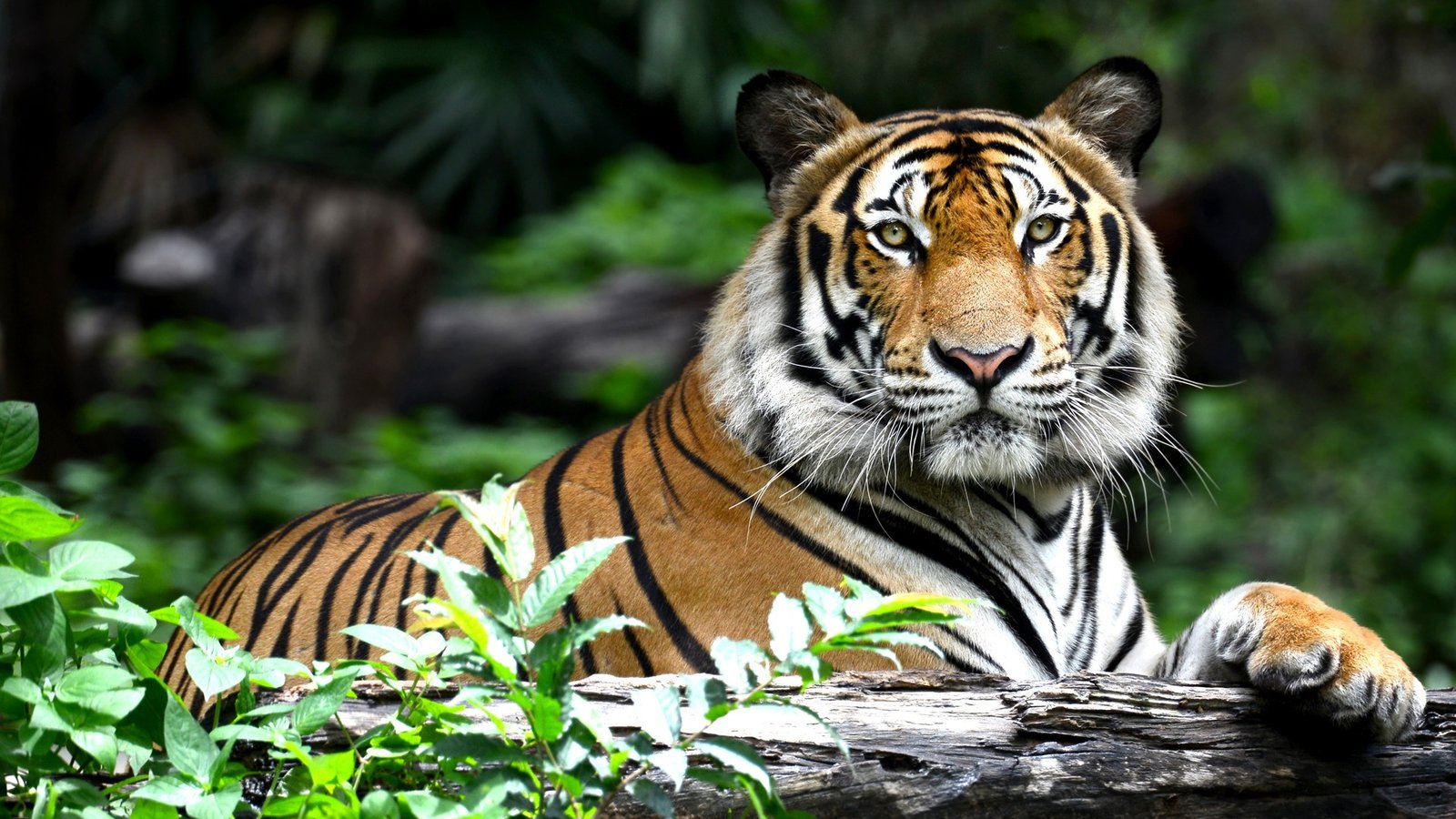
Sawai Madhopur represents one of India’s premier wildlife and cultural corridors, serving as the gateway to the rugged wilderness of eastern Rajasthan. Renowned worldwide for dry-deciduous forests, ancient stone fortresses, and high densities of Royal Bengal Tigers, the region draws international wildlife photographers, history buffs, and luxury travelers alike. Planning an itinerary requires on-the-ground familiarity with seasonal safari zone allocations, regional terrain, and heritage timings. Whether organizing an adventurous safari expedition or booking a curated Ranthambore 2N 3D couple package, exploring the key landmarks of this historic sanctuary district promises an unforgettable escape.
Ranthambore National Park and Core Tiger Safaris
At the heart of the region lies Ranthambore National Park, an expansive wilderness stretching across the junction of the Aravalli and Vindhya hill ranges. Spanning ten designated tourist safari zones, the park protects Royal Bengal Tigers, leopards, sloth bears, striped hyenas, and mugger crocodiles. Zones 1 through 5 represent the historic core zone, framed by natural watering holes like Padam Talao, Raj Bagh, and Malik Talao where predator sightings frequently occur. Zones 6 through 10 comprise buffer hilly habitats, offering dramatic landscapes and rewarding wildlife encounters. Morning and afternoon safaris operate via open 6-seater Gypsy vehicles and 20-seater canters, managed through the Forest Department’s strictly regulated booking windows. Experiencing these safaris accompanied by certified naturalists gives deep insight into wildlife tracking through alarm calls and pugmark interpretation.
The Architectural Wonder of Ranthambore Fort
Towering 700 feet above the forest floor inside the national park grounds stands Ranthambore Fort, recognized globally as a UNESCO World Heritage Site under the Hill Forts of Rajasthan. Built during the 10th century by Chauhan rulers, the massive stone fortification contains majestic stepwells, medieval ramparts, cenotaphs, and ancient royal palaces. The ramparts provide sweeping panoramic vistas across the reserve’s lakes and dense jungle canopies. Inside the fortress complex, the venerable Trinetra Ganesha Temple remains an active pilgrimage epicenter, drawing thousands of devotees weekly who mail wedding invitations and letters to the deity. Ascending the stone pathways requires caution, as troop langurs, wild peafowl, and passing raptors regularly traverse the fort perimeter.
Jogi Mahal and the Historic Banyan Tree
Positioned along the shores of Padam Talao at the base of the fort, Jogi Mahal represents a classic example of royal hunting architecture. Originally constructed as a royal hunting lodge by the Jaipur royal family, this lakeside palace served as a base for naturalists and state forest wardens for decades. Just steps from the lodge stands one of India’s largest and oldest sacred banyan trees (Ficus benghalensis). The massive aerial roots span an extensive canopy, providing shelter for spotted deer and langurs foraging under its shade. Although interior access to the lodge remains regulated by the forest department, the perimeter provides one of the most photographed vantage points in the entire reserve.
Surwal Lake and Mansarovar Dam Birding Havens
Beyond the core tiger habitats, Sawai Madhopur hosts exceptional wetland ecosystems essential for migratory avifauna. Surwal Lake, located roughly 14 kilometers outside the main town, serves as a seasonal sanctuary between November and March for thousands of migratory species, including painted storks, bar-headed geese, sarus cranes, and spoonbills. Similarly, the expansive Mansarovar Dam offers serene waters against a backdrop of undulating hills, catering to dedicated birdwatchers seeking waterfowl away from safari vehicle crowds. Visiting these water bodies during dawn reveals quiet photographic compositions of traditional rural landscapes and bird flights across open waters.
Chamatkar Temple and Regional Craft Centers
Immersing oneself in Sawai Madhopur extends beyond the wilderness into vibrant local crafts and town history. The historic Chamatkar Temple, dedicated to the Jain Tirthankara Bhagwan Rishabhdev, features intricate white marble carvings and century-old spiritual traditions. Meanwhile, local artisan cooperatives celebrate Ranthambore’s creative legacy. Travelers can visit community initiatives such as Dastkar Ranthambore, where local women produce fine block-printed cotton textiles, bandhani fabrics, and handcrafted wildlife souvenirs, directly supporting rural livelihoods and conservation-adjacent communities.
Choosing Your Wilderness Base
Choosing accommodation close to park entry checkpoints minimizes morning transfer times and ensures peaceful relaxation between safari slots. Guests seeking hospitality that balances authentic Rajasthani heritage with modern conveniences often select a luxuy resort in Ranthambore for spacious tented living, curated nature trails, and authentic dining. Properties like Ranthambore Tiger Resort provide an ideal forest-adjacent base near Sherpur, combining air-conditioned safari tents, evening bonfires, and direct safari logistics to complete an authentic wilderness sojourn.