Planning a royal celebration in the Pink City requires balancing grand architectural ambition with precise logistical execution. As event managers and hospitality specialists who have coordinated multi-day heritage celebrations across the desert state, we know that orchestrating a memorable event demands thorough preparation. From managing guest transfers across historic transit corridors to understanding local vendor ecosystems, this practical guide breaks down everything required to plan an extraordinary wedding in Rajasthan’s capital.
Selecting the Right Heritage Setting for Your Celebration
Jaipur offers a remarkable diversity of heritage sites, fort estates, and modern luxury banqueting resorts. Choosing the ideal setting depends heavily on your guest count, event aesthetic, and event flow across multiple days.
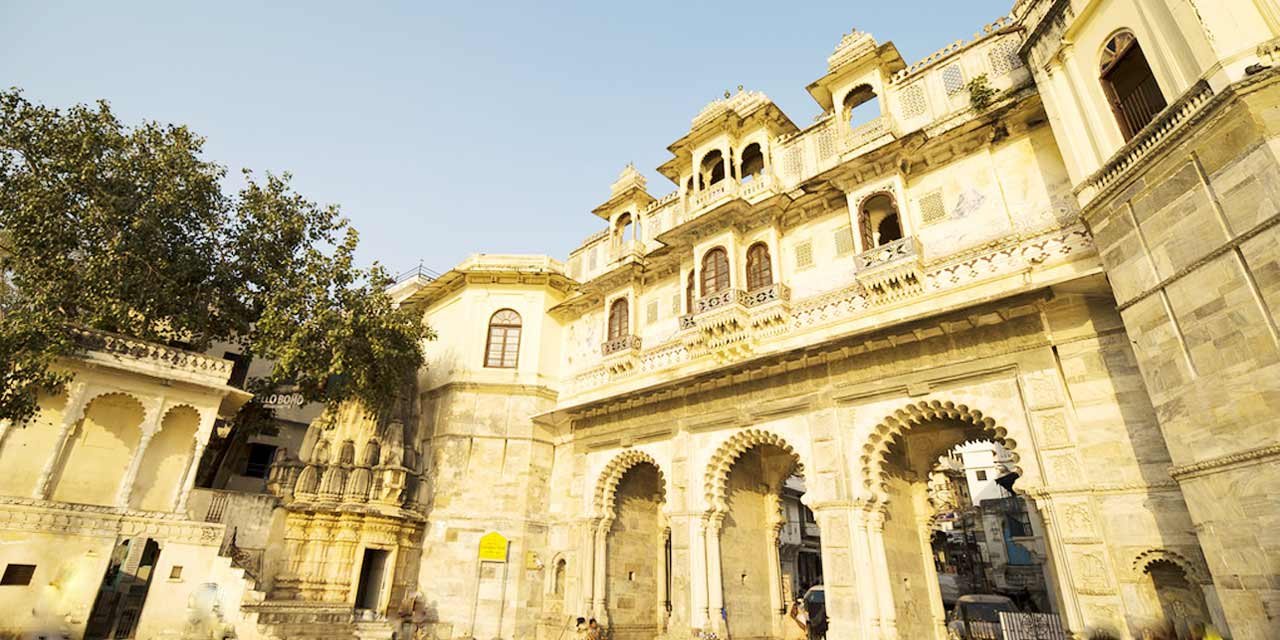
Historic palaces deliver authentic regality, intricate jharokha backdrops, and timeless courtyards ideal for an intimate evening pheras ceremony. Meanwhile, expansive resort corridors situated along the Delhi-Jaipur highway or Kukas provide the sprawl needed for multi-tiered stage setups, private pool parties, and expansive parking infrastructure. When evaluating any potential wedding venue in Jaipur, it is essential to inspect noise curfew policies, heritage conservation restrictions, and in-house catering mandates before securing non-refundable dates.
Key Factors to Evaluate During Site Visits
- Room inventory and on-site hospitality capacity for out-of-town attendees
- Lawn load capacities for heavy production, sound trusses, and elaborate stage decor
- Proximity to Jaipur International Airport (JAI) to reduce logistical friction
- Clear municipal regulations regarding traditional baraat processions and late-night music
Comprehensive Budget Allocation and Cost Breakdown
Executing a seamless event demands structured capital distribution. Total expenditures can vary significantly based on peak dates, customized floral sourcing, and bespoke decor installations. A well-orchestrated celebration balancing high-touch hospitality with memorable entertainment typically requires realistic fiscal planning across five core categories:
- Venue and Accommodation: 45% to 50% of the overall budget, covering private room blocks, security deposits, and multi-day venue rental charges.
- Catering and Beverage Service: 20% to 25%, encompassing royal Rajasthani banquet menus, regional live counters, global fusion dishes, and bar licensing.
- Production and Design: 15% to 20%, funding thematic lighting, floral arrangements, staging, ambient sound engineering, and traditional seating lounge setups.
- Photography and Cinematography: 5% to 8%, securing experienced documentary teams familiar with dynamic low-light palace captures and aerial drone coverage.
- Logistics, Entertainment, and Collaterals: 5%, including local transport fleets, cultural folk performers, specialized styling artists, and curated welcome gifts.
Transparent budget management prevents unexpected mid-production expenses and ensures that your overall investment translates directly into elevated guest experiences.
Seasonal Weather Considerations for Outdoor Festivities
Climate plays a decisive role in the overall comfort of your attendees and the longevity of outdoor design installations. Jaipur experiences distinct weather shifts throughout the calendar year, making seasonal timing an important element of strategic planning.
Winter: The Quintessential Peak Season (October to February)
Pleasant daytime temperatures averaging between 20°C and 25°C make winter the most popular window for outdoor lawns, terrace brunches, and sundowner celebrations. Evening temperatures can drop below 10°C, requiring patio heaters and velvet-lined lounge seating. Because venue availability is strictly limited during these prime dates, securing bookings 9 to 12 months in advance is strongly recommended.
Summer: High Heat and Twilight Ceremonies (March to June)
With daytime temperatures frequently exceeding 38°C, daytime outdoor functions are not feasible. Couples choosing this period typically utilize fully air-conditioned palace ballrooms for day rituals, scheduling pool parties and night functions under the stars once temperatures decline. Venues offer attractive hospitality packages during these months, though climate control measures must be prioritized.
Monsoon: Vibrant Greenery and Dynamic Backdrops (July to September)
Monsoon showers transform the surrounding Aravalli hills into lush, picturesque landscapes. However, sudden rain showers can disrupt outdoor seating and electrical arrangements. Couples opting for this season should ensure the property features robust indoor banquet options alongside open-air courtyards to allow quick weather transitions.
Cultural Nuances and Guest Experience
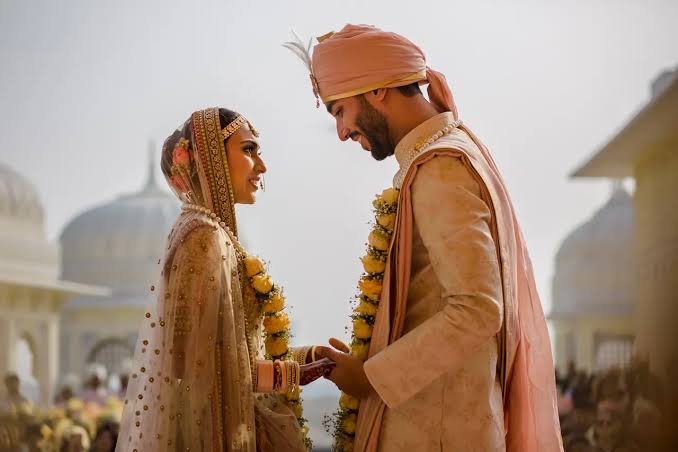
A quintessential royal gathering blends grand scale with thoughtful details. Integrating traditional Rajasthani hospitality—from personalized lacquer bangle gifting booths and intricate mehndi stations to soulful Manganiyar musical performances—infuses regional charm into modern celebrations.
Choosing to host a destination wedding in Rajasthan offers guests an unforgettable cultural vacation alongside your milestone celebration. By harmonizing venue architecture, seasonal climate demands, and structured vendor coordination, your Jaipur celebration will stand as a benchmark of timeless elegance and royal hospitality.