Tucked away in the Pali district of Rajasthan lies a landscape unlike any other in India. Jawai is an extraordinary destination defined by billion-year-old granitic rock formations, serene reservoir backwaters, and a rich, living heritage. Unlike traditional national parks that enforce strict artificial enclosures, Jawai is an open, un-fenced wilderness where humans, livestock, and wild predators exist in unbroken harmony. For travelers seeking an authentic wildlife getaway rooted in deep local culture and rustic luxury, this region offers a profound shift in perspective.
The Magic of Sacred Coexistence: Humans and Big Cats
The true soul of Jawai resides in the ancient bond between the local Rabari community and the resident wildlife. The Rabaris are traditional semi-nomadic cattle herders distinguished by their vibrant crimson turbans and white linen garments. For generations, they have shared these rugged granite hills with wild leopards, viewing the big cats not as dangerous pests, but as sacred guardians of the land.
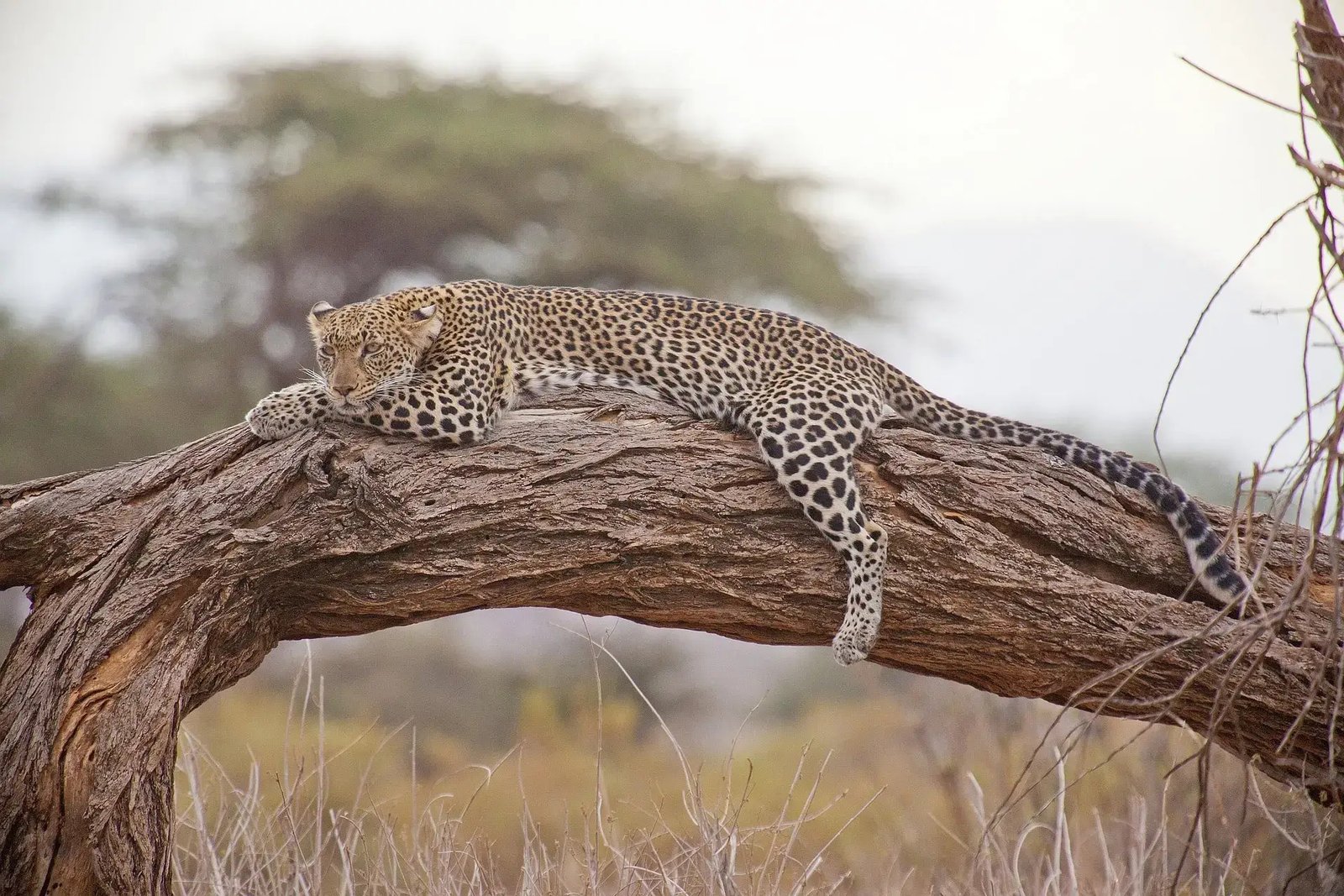
In Jawai, leopards freely scale the rocky outcrops overlooking small village hamlets and centuries-old hillside temples. It is a common sight to witness local villagers walking serenely along paths while a leopard rests calmly on a boulder above. This sacred reverence creates a peaceful environment where animals display little fear of humans, offering visitors one of the highest wildlife sighting success rates in the country.
Experiencing the Thrill of a Jawai Safari
Exploring this terrain is an adventure in itself. Safaris here are conducted in open 4×4 vehicles equipped to navigate steep, sandy tracks and rocky hill inclines. Local trackers possess an intuitive understanding of the terrain, reading alarm calls, fresh pugmarks, and territory markings passed down through familial knowledge.
A typical excursion begins early in the morning as dawn illuminates the granite peaks, or in the late afternoon when the golden light turns the boulders to bronze. Booking a specialized leapard safari Jawai allows guests to explore diverse ecosystems ranging from cave-riddled hills to lush riverbanks. Along with big cats, visitors frequently encounter mugger crocodiles sunning near Jawai Dam, striped hyenas, nilgai, and over 100 species of migratory waterbirds during the winter months.
What Makes Jawai Wildlife Unique?
- Unfenced Freedom: Animals move naturally across private hills, agricultural lands, and river basins without artificial park boundaries.
- High Visibility: The open granitic terrain provides clear lines of sight, making animal sightings far easier than in dense jungle forests.
- Vibrant Avian Ecosystem: The vast waters of the Jawai Dam host flamingos, bar-headed geese, pelicans, and cranes every winter.
- Ethical Community Tracking: Guided by experienced local naturalists who prioritize animal safety, low noise levels, and non-intrusive viewing practices.
Choosing Your Base: Comfort Meets Wilderness
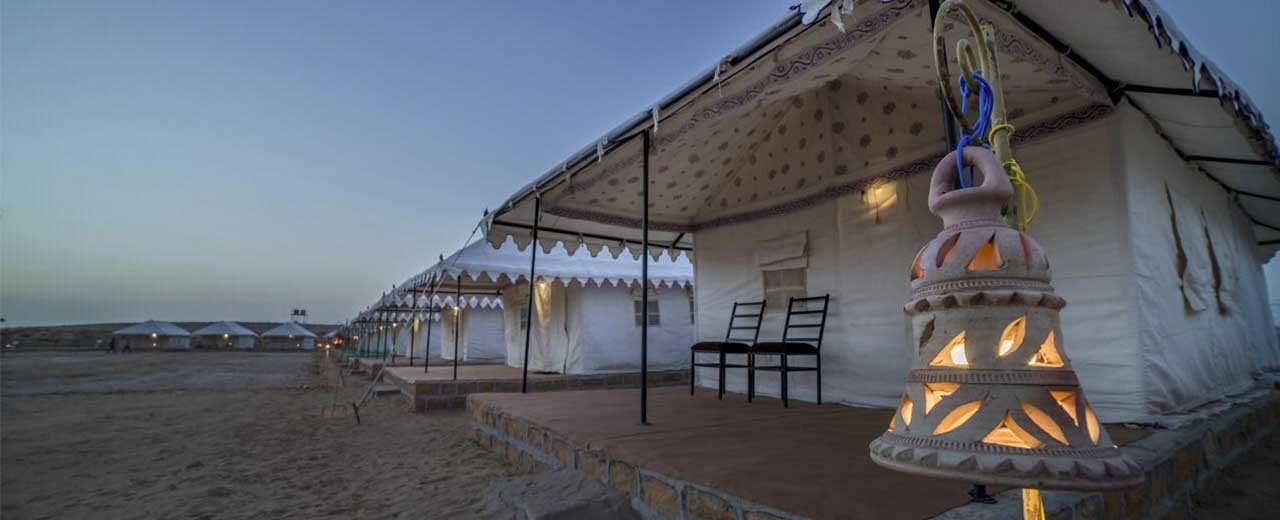
To fully appreciate the beauty of this region, choosing the right accommodation is essential. Travelers seeking a blend of natural wilderness and modern comfort often look for properties situated near the Jawai Dam backwaters. A thoughtful stay bridges the gap between raw nature and elevated hospitality, allowing guests to unwind after an exhilarating safari while soaking in panoramic hill views.
Properties like The Jawai Sagar offer a peaceful sanctuary designed to complement the natural surrounding contours. Staying at a premier leopard safari resort in Jawai ensures access to curated wilderness trails, private dining under starry desert skies, and personalized local guides. For visitors desiring spacious suites, scenic private balconies, and warm Rajasthani hospitality, booking a luxury stay in Jawai elevates the trip into a truly restorative vacation.
Essential Tips for Planning Your Jawai Trip
- Best Time to Visit: October to March offers pleasant winter temperatures ideal for both wildlife spotting and birdwatching around the reservoir. Summer months (April to June) are warmer but offer exceptional leopard tracking as animals visit remaining waterholes.
- Cultural Etiquette: When visiting local Rabari villages, always dress respectfully and seek permission before taking photographs of community members.
- Packing Gear: Bring muted or earth-toned clothing, comfortable walking shoes, a light jacket for cool morning drives, and a telephoto camera lens for distant wildlife photography.
- Duration: Plan a stay of at least 2 to 3 days to experience multiple safari drives, village walks, and sunset tea sessions overlooking the dam.
Conclusion: A Journey Beyond Standard Safaris
Jawai stands as a brilliant testament to how wildlife conservation and human communities can flourish side by side. From the thrilling sight of a leopard perched atop a ancient granite boulder to the quiet dignity of Rabari herders going about their day, every moment spent here feels authentic and grounded. By combining immersive wilderness experiences with thoughtful luxury hospitality at The Jawai Sagar, travelers can discover the wild, untamed heart of Rajasthan in its purest form.