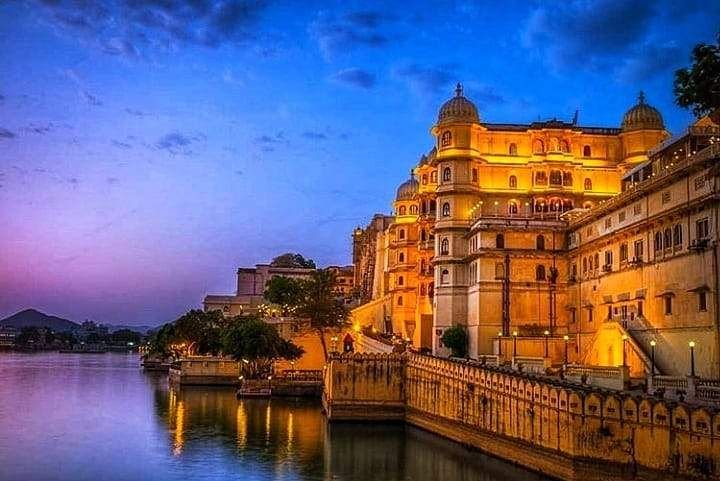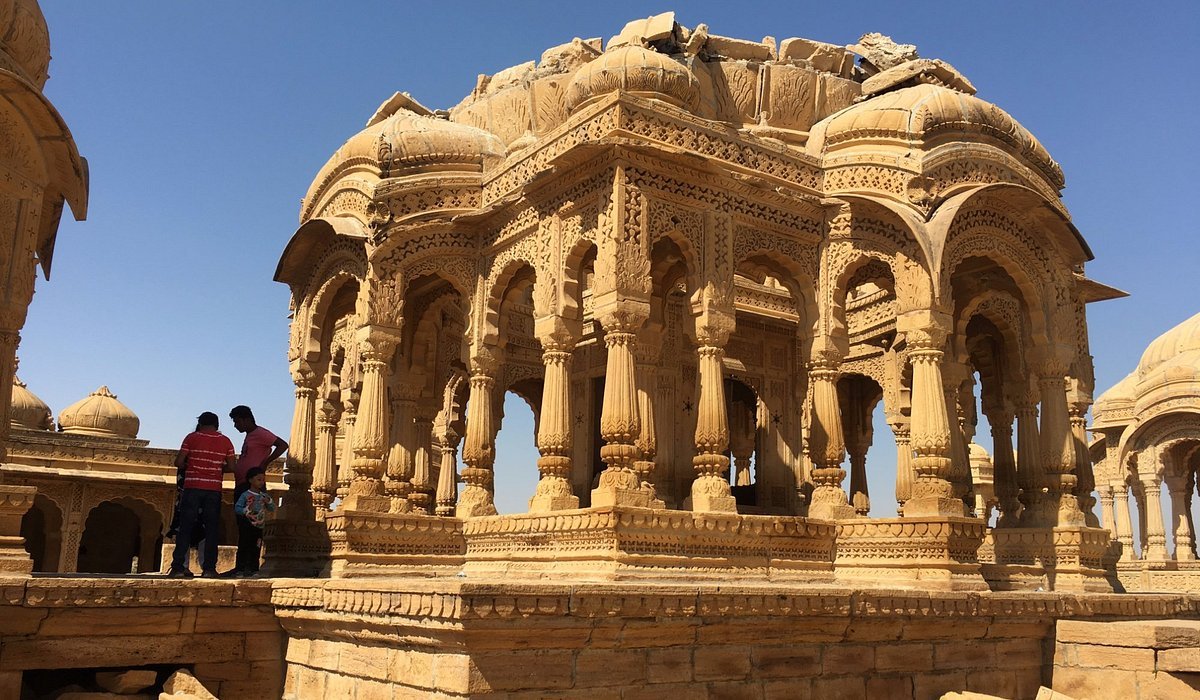
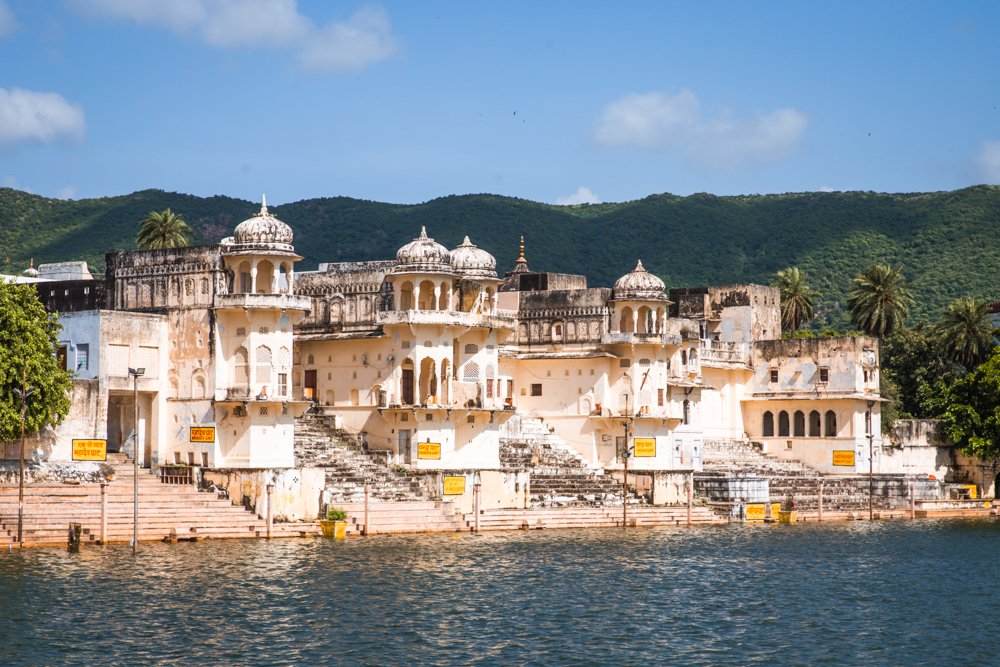
Rajasthan presents an unmatched blend of royal heritage, vibrant bazaars, and deep spiritual traditions. For travelers seeking a balanced mix of grand architecture, lively culture, and sacred serenity, combining Jaipur with Pushkar delivers the ultimate journey through India’s desert state. As a dedicated local specialist guiding thousands of visitors across these historic routes, Rajasthan Yatra brings practical insights, route expertise, and verified recommendations to help you navigate this iconic circuit effortlessly.
Day 1: Exploring the Regal Grandeur of the Pink City
Jaipur, the capital of Rajasthan, was planned by Maharaja Sawai Jai Singh II in 1727 and remains one of India’s finest architectural masterpieces. Begin your morning early at the foot of the Aravalli Hills.
Morning: Amber Fort and Panna Meena Ka Kund
Beat the mid-day heat by arriving at Amber Fort by 8:00 AM. Constructed from red sandstone and marble, this UNESCO World Heritage Site showcases classic Rajput military architecture fused with Mughal decorative elements. Walk through the Suraj Pol (Sun Gate) into Jaleb Chowk, then ascend to the Sheesh Mahal (Mirror Palace), where thousands of concave mirror tiles illuminate the chamber with minimal light.
Just a short walk down from the fort lies Panna Meena Ka Kund, a symmetrical 16th-century stepwell famous for its geometric, interlocking staircases. It served as both a community gathering spot and a crucial rainwater harvesting structure.
Afternoon: Royal Observatories and City Palaces
Head back into the historic walled city for an immersive Jaipur full day city tour. Stop outside the Hawa Mahal (Palace of Winds) to view its honeycomb facade of 953 jharokhas (small casements), built specifically to allow royal women to observe street festivities without being seen.
Continue directly to the City Palace complex, which continues to house the erstwhile royal family. Within the same precinct lies Jantar Mantar, an astronomical observatory housing nineteen architectural astronomical instruments, including the world’s largest stone sundial, the Vrihat Samrat Yantra.
Evening: Traditional Bazaars and Cultural Dining
Spend your late afternoon exploring Johari Bazaar and Bapu Bazaar. These historic markets are celebrated for hand-block printed textiles, blue pottery, and lac bangles. Conclude your evening savoring a traditional Rajasthani thali featuring Dal Baati Churma, Gatte ki Sabzi, and Ker Sangri at an authentic local heritage eatery.
Day 2: Transit to Pushkar via Ajmer
The journey from Jaipur to Pushkar covers approximately 145 kilometers via National Highway 48 and takes roughly three hours by road. Traveling with an experienced travel agency in Rajasthan ensures smooth intercity transfers, air-conditioned transport, and well-timed transit stops.
Mid-Day: Ajmer Sharif Dargah
Before entering the valley of Pushkar, stop in the city of Ajmer to visit the Dargah Sharif of Sufi Saint Khwaja Moinuddin Chishti. The shrine attracts millions of pilgrims of all faiths annually. The atmosphere inside features qawwali music, fragrant rose petals, and historic silver-embossed doors.
Afternoon: Arrival in Sacred Pushkar
Ascend the serpentine roads of the Snake Mountain (Nag Pahar) into Pushkar. Unlike Jaipur’s bustling royal avenues, Pushkar is a relaxed, sacred town wrapped around a holy lake and flanked by the Thar Desert. Check into your hotel or desert heritage camp to unwind before your temple visits.
Day 3: Holy Ghats, Sacred Temples, and Desert Sunsets
Pushkar is one of the oldest cities in India and holds immense spiritual significance in Hindu cosmology.
Morning: Brahma Temple and Pushkar Lake
Pushkar is home to the rare Jagatpita Brahma Mandir, one of the few prominent temples dedicated to the creator god Brahma in the world. Built with marble and stone slabs, the shrine features a distinct red spire (shikhara) and a motif of a hamsa (swan).
After visiting the shrine, walk down to the 52 holy ghats surrounding Pushkar Lake. The Brahma Ghat and Varaha Ghat are key spots to observe morning rituals, prayers, and peaceful reflections along the water.
Afternoon: Savitri Devi Temple and Desert Safaris
For a bird’s-eye perspective of Pushkar, take the ropeway or hike the steps up Ratnagiri Hill to visit the Savitri Devi Temple. The summit offers panoramic views across the lake, the town, and the adjoining desert sands.
In the late afternoon, head out into the nearby dunes for a camel ride or a desert jeep safari. If visiting during October or November, the area comes alive with the world-famous Pushkar Camel Fair, featuring folk performances, cattle trading, and cultural exhibitions.
Making the Most of Your Heritage Journey
Planning a seamless interstate itinerary requires careful coordination of heritage timings, route selections, and temple customs. Booking a structured Jaipur City Tour With Pushkar allows travelers to maximize their sightseeing time without the stress of navigating local transfers, parking restrictions, and crowd logistics independently. Dress modestly when visiting shrines, carry adequate hydration, and allocate dedicated time for local artisans to experience the true essence of Rajasthan.