
Choosing between the shimmering waters of Udaipur and the imposing stone ramparts of Jodhpur is one of the most common dilemmas when planning a journey through Rajasthan. Both cities showcase the pinnacle of Rajput architecture, royal hospitality, and vibrant local traditions, yet each delivers a completely distinct travel atmosphere. Udaipur presents an idyllic setting characterized by tranquil lakes, lush hills, and marble palaces, whereas Jodhpur offers an assertive, raw majesty with desert vistas, colossal fortifications, and cobalt-blue alleyways.
Deciding which destination is superior depends on your personal travel style, pacing, and what kind of heritage experience resonates most with your itinerary.
The Appeal of Udaipur: The Venice of the East
Udaipur is celebrated for its romantic ambiance and lakeside elegance. Nestled within the Aravalli hills, the city revolves around its artificial freshwater bodies, notably Lake Pichola, Fateh Sagar Lake, and Swaroop Sagar.
- Architectural Grandeur: The sprawling City Palace complex sits on the eastern bank of Lake Pichola. Inside, a blend of Rajasthani and Mughal architectural styles unfolds across balconies, cupolas, and courtyards, offering panoramic views of the water and surrounding hills.
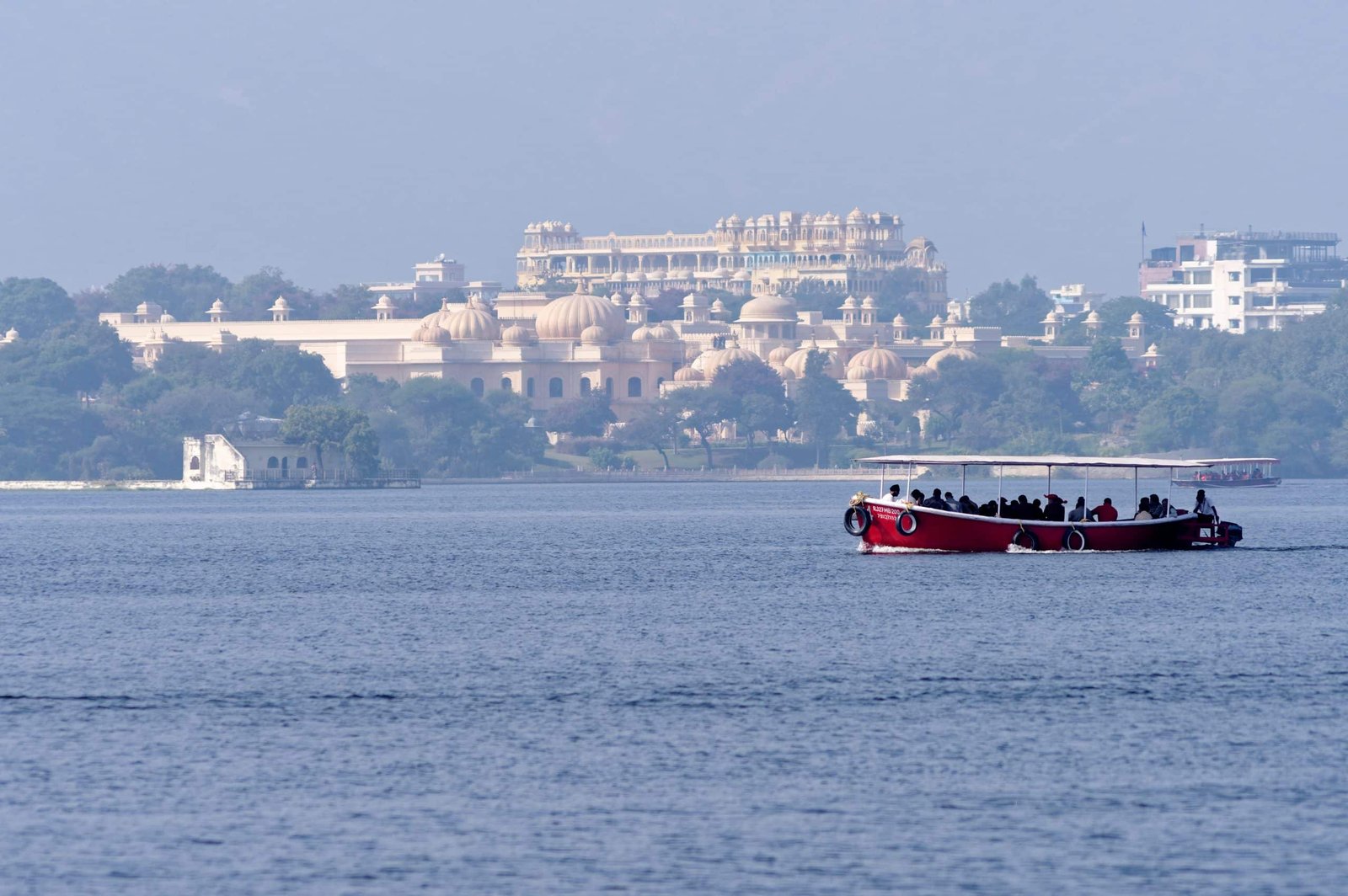
- Serene Lake Cruises: An evening boat cruise across Lake Pichola provides prime vantage points for viewing Jag Mandir and the Lake Palace, which appear to float effortlessly above the water.
- Cultural Vibrancy: Bagore Ki Haveli, located at Gangaur Ghat, hosts traditional Dharohar folk performances every evening, giving travelers a firsthand look at traditional puppet theatre and Rajasthani dance forms.
- Leisurely Rhythm: The café culture along the ghats, combined with quiet garden retreats like Saheliyon-ki-Bari, makes Udaipur ideal for travelers who prefer an unhurried, reflective schedule.
Arranging an organized Udaipur full day tour enables visitors to cover these dispersed palaces, ghats, and viewpoints with ease and structured pacing.
The Appeal of Jodhpur: The Blue City of Marwar
Standing at the edge of the Thar Desert, Jodhpur radiates strength and historic valor. Known as the Sun City and the Blue City, its skyline is dominated by towering defensive walls and the indigo-washed homes of the old Brahmapuri quarter.
- The Colossal Mehrangarh Fort: Rising perpendicularly from a 400-foot-high cliff, Mehrangarh stands as one of the largest and best-preserved fortifications in India. The museum inside houses palanquins, royal cradles, miniature paintings, and armaments from Rathore history.
- Intricate Marble Memorials: Near Mehrangarh lies Jaswant Thada, a cenotaph crafted from intricately carved sheets of polished Makrana marble that emit a warm glow under the desert sun.
- Vibrant Street Culture: The old town surrounding the Ghanta Ghar (Clock Tower) and Sardar Market features bustling lanes filled with aromas of spices, leather handicrafts, tie-dye textiles, and traditional snacks like Mirchi Vada and Mawa Kachori.
- Royal Heritage: The massive Umaid Bhawan Palace, built of golden sandstone, serves as a museum, luxury hotel, and private royal residence that illustrates twentieth-century Art Deco aesthetics.
Booking a structured jodhpur one day tour ensures that visitors explore both the hilltop monuments and the inner market quarters without losing precious transit time.
Comparing Key Travel Factors
1. Landscape and Setting
Udaipur features a softer topography defined by water channels, green hillocks, and whitewashed havelis. In contrast, Jodhpur is defined by rocky ridges, desert terrain, and distinctive blue-tinted stone architecture. If natural waterfront views and cooler microclimates appeal to you, Udaipur takes the lead; if dramatic cliffs, desert winds, and architectural fortification are your priority, Jodhpur is unmatched.
2. Sightseeing and Physical Exertion
Sightseeing in Udaipur is generally gentle, revolving around lakeside walks, museum galleries, and boat rides. Jodhpur involves more physical climbing, cobblestone ascents, and navigating expansive stone ramparts. Travelers seeking high vantage points and military history find Jodhpur deeply rewarding.
3. Food and Shopping
Both cities deliver authentic Rajasthani culinary traditions, but with different regional specialties. Jodhpur is famous for hearty Marwari street food, particularly spicy snacks, lassi, and rich sweets. Udaipur leans toward refined dining with rooftop restaurants offering panoramic views of illuminated palaces on the lake. For shopping, Jodhpur excels in antique furniture, leather goods, and hand-woven dhurries, while Udaipur is renowned for miniature paintings, silver jewelry, and wooden handicrafts.
4. Ideal Duration
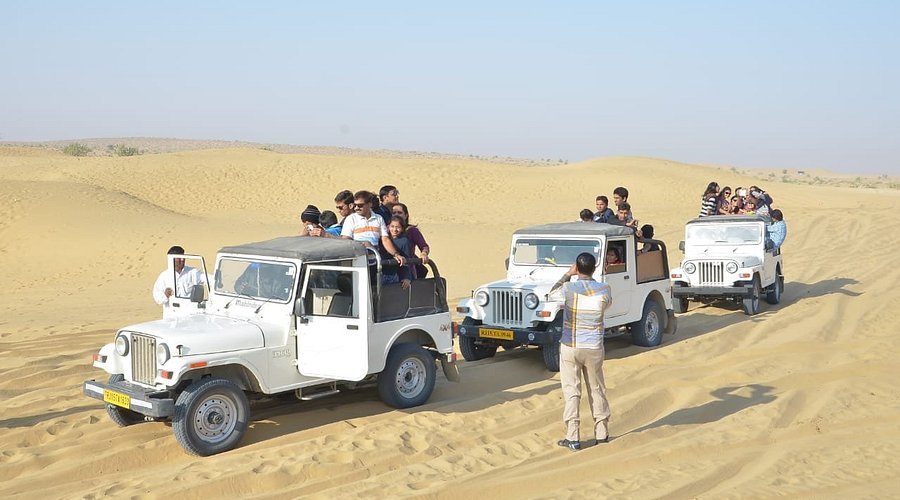
Both cities can be experienced adequately in two to three days. However, Jodhpur also serves as a strategic gateway for travelers heading deeper toward the sand dunes of Jaisalmer or the rural Bishnoi villages, while Udaipur connects conveniently to Mount Abu, Ranakpur, and Kumbhalgarh.
Making the Final Decision
For couples, honeymooners, and travelers seeking relaxed days by the water with scenic dining, Udaipur provides a tranquil atmosphere that is hard to replicate elsewhere in India. For history enthusiasts, photographers eager to capture sweeping fortress walls and blue rooftops, and adventurers looking for desert culture, Jodhpur presents an unforgettable journey.
Enlisting a reputable tour operator in Rajasthan allows travelers to customize their itinerary seamlessly, whether they choose to immerse themselves fully in the quiet waters of Udaipur or conquer the storied battlements of Jodhpur.