Planning a single-day excursion through the southern gateway of Rajasthan offers a unique blend of spiritual heritage, scenic landscapes, and cultural depth. Located at the foothills of the Aravalli range, Abu Road serves as the pivotal transit hub connecting travelers to major pilgrimage destinations across the Gujarat-Rajasthan border. Among these sacred sites, the revered Ambaji Temple—commonly venerated as the Amba Mata Temple—stands out as one of the fifty-one sacred Shakti Peethas. This comprehensive itinerary is designed to help travelers optimize their transit, experience authentic local customs, and enjoy a seamless day-long pilgrimage.
Morning Departure and the Journey to Gabbar Hill
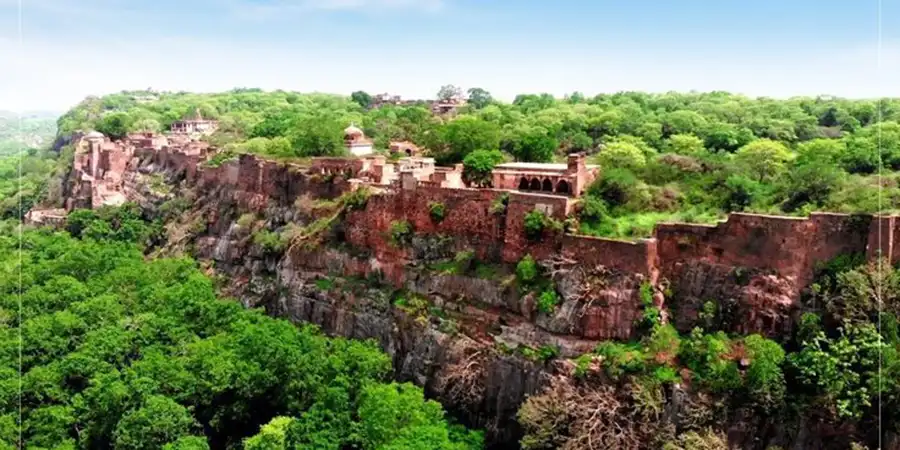
An ideal spiritual expedition begins in the early morning hours to avoid peak highway congestion and noon heat. Travelers arriving at Abu Road railway station can embark on the approximately twenty-kilometer drive toward the pilgrimage town of Ambaji. The winding drive provides expansive vistas of dry-deciduous forest tracts and granite rock formations characteristic of the Aravalli belt.
Before visiting the main town shrine, initiating the circuit at Gabbar Hill provides historical context to the legend of the goddess. Gabbar Hill is traditionally revered as the original seat of the deity, where the heart of Sati is believed to have fallen. Visitors can ascend the 999 stone steps or opt for the modern ropeway cable car service that swiftly transports pilgrims to the hilltop. At the summit, an eternal flame burns near the footprints of the goddess, offering panoramic views of the surrounding valleys. Participating in the morning prayers at Gabbar sets a tranquil tone for the remainder of the day’s spiritual journey.
Midday Darshan at the Main Amba Mata Temple
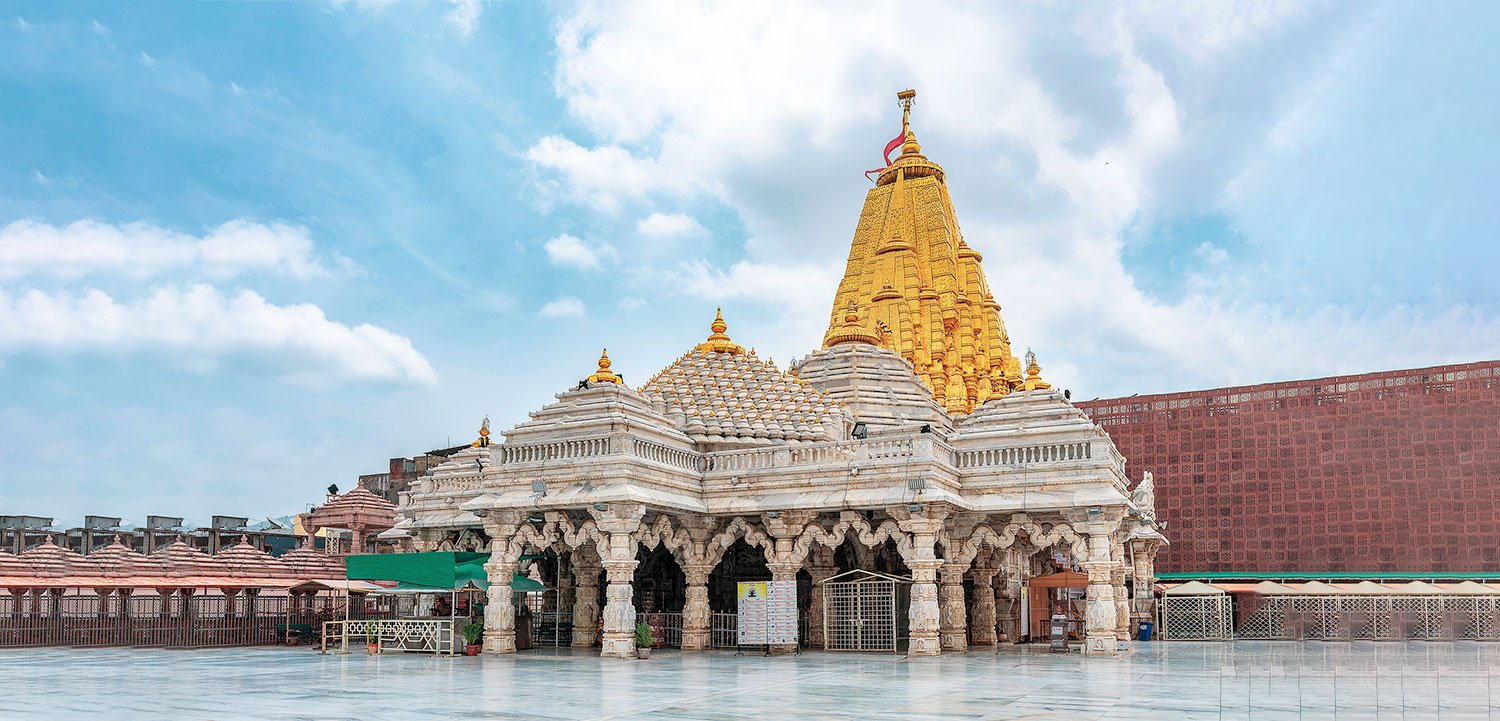
Following the visit to Gabbar Hill, head to the principal temple complex located in the center of Ambaji town. Built from pristine white marble sourced from nearby quarries, the temple architecture exhibits intricate Nagara-style carvings, elaborate spires, and expansive courtyards designed to accommodate large gatherings.
Unlike most conventional Hindu temples, the inner sanctum of the Amba Mata shrine contains no physical idol. Instead, devotion is directed toward a sacred, gold-plated geometric plate known as the Viso Yantra, inscribed with sacred Vedic mantras. Priests decorate this Yantra daily in elaborate attire to represent different divine aspects.
To ensure a smooth visit, keep these practical points in mind:
- Photography, mobile phones, and electronic devices are strictly prohibited within the inner sanctum and must be deposited at official cloakrooms outside the gates.
- Dress codes require modest attire covering shoulders and knees out of respect for traditional temple sanctity.
- Purchasing the traditional Mohanthal prasad—a rich, ghee-infused sweetmeat prepared in certified temple kitchens—is an integral rite for devotees.
Afternoon Culinary Experience and Relaxation
After completing the rituals and navigating the vibrant bazaars surrounding the temple complex, heading back toward the peaceful plains of Abu Road offers a welcoming respite from midday temple crowds. Culinary heritage in this transit belt represents a fusion of Gujarati vegetarian purity and robust Marwari spice profiles.
Finding authentic local fare prepared with high hygiene standards enhances the travel experience significantly. Discerning visitors seeking comfort and traditional hospitality often pause their afternoon journey to dine at the Best Restaurant in Abu Road, where balanced regional thalis, seasonal vegetables, and prompt service cater specifically to transit guests and family groups alike.
Late Afternoon Exploration of Local Architectural Heritage
A comprehensive Abu Road itinerary extends beyond the primary Shakti Peetha to encompass neighboring historical landmarks. In the post-lunch hours, consider visiting the Chandravati archaeological ruins situated along the banks of the West Banas River. Dating back to the Paramara and Solanki dynasties, the carved stone fragments, restored temple bases, and ancient toranas offer profound insight into medieval western Indian art.
Alternatively, travelers interested in modern spiritual movements can explore the Shantivan campus of the Brahma Kumaris, situated adjacent to the national highway in Abu Road. The sprawling complex showcases large assembly halls, solar-energy infrastructure, and beautifully maintained meditation gardens that welcome visitors of all backgrounds seeking quiet reflection.
Evening Retreat and Transit Comfort
As dusk settles over the Aravalli hills, concluding your day tour requires a peaceful environment to refresh before an overnight train or onward road journey. Opting for a stay at the best hotel in Abu Road allows travelers to unwind in quiet, green surroundings away from railway noise while maintaining quick access to major transit lines.
Practical Travel Tips for Abu Road Visitors
- Best Time to Travel: October through March provides pleasant daytime temperatures ideal for temple lines and outdoor sightseeing.
- Local Commute: Dedicated auto-rickshaws, private taxis, and state transport buses run regular shuttles between Abu Road and the temple complex.
- Footwear Management: Marble temple floors can become warm during midday; wearing socks ensures comfortable walking across open courtyards.