
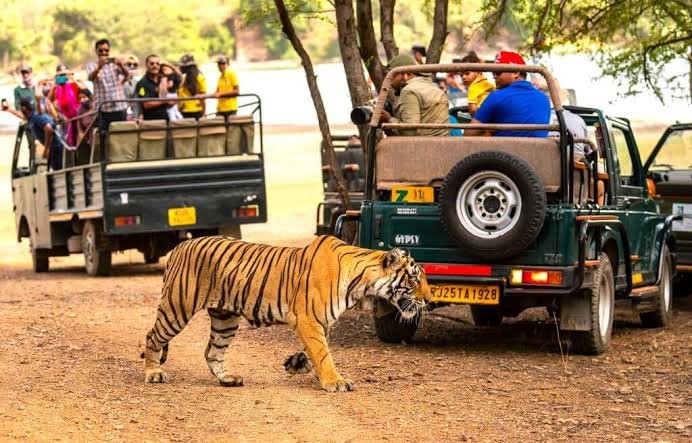
Ranthambore National Park in Rajasthan stands out as one of the premier wilderness sanctuaries on earth to observe the Royal Bengal Tiger in its natural habitat. Spanning dry deciduous forests, rocky ridges, ancient ruins, and tranquil lakes, the reserve offers unmatched visibility and exceptional tiger density. Exploring this historic landscape provides an immersive wildlife adventure where heritage meets biodiversity.
Why Ranthambore is the Ultimate Tiger Destination
Few wildlife reserves offer the combination of historical ambiance and reliable predator encounters that define Ranthambore. The park’s terrain consists of open scrubland and dhok forests, making wildlife tracking significantly more productive than in dense evergreen jungles.
- High Tiger Density: Consistent conservation efforts have nurtured a thriving population of tigers across all ten tourism zones.
- Photogenic Landscapes: Seeing an apex predator stride past crumbling cenotaphs, stone archways, or the 10th-century Ranthambore Fort creates striking, unforgettable moments.
- Diverse Wildlife: Beyond big cats, the reserve protects leopards, sloth bears, striped hyenas, marsh crocodiles, sambar deer, and over 300 avian species.
Understanding Ranthambore Safari Zones and Wildlife Distribution
The national park is divided into ten distinct tourism zones to balance conservation mandates with visitor experiences. Zones 1 through 5 are situated within the core forest area, featuring iconic landmarks like Padam Talao, Rajbagh, and Malik Talao, where tigers frequently patrol water sources. Zones 6 through 10 comprise the buffer territories, characterized by steep hill tracks, open plateaus, and seasonal streams that offer regular, high-reward predator sightings.
Safari vehicles are allocated specific zones by the forest department at the time of entry to prevent congestion and preserve natural animal behaviors. Selecting well-crafted itineraries that include multiple game drives increases the probability of tracking resident tigers across diverse territories. Travelers seeking a hassle-free wildlife expedition often book curated best Ranthambore tour packages that bundle safari permits, expert naturalist guides, and seamless transfers.
Choosing the Right Safari Vehicle: Gypsy vs Canter
Visitors can explore the park using two primary vehicle types authorized by the forest department, each suited to different group sizes and travel preferences.
- 6-Seater 4×4 Gypsy: An open-top four-wheel-drive vehicle ideal for small groups, wildlife photographers, and travelers seeking swift maneuverability along narrow forest tracks.
- 20-Seater Open Canter: A larger open-air vehicle that provides elevated viewpoints over tall grasses and dense brush. Opting for a canter safari in Ranthambore is an economical and comfortable choice for extended families and larger tour groups without compromising viewing angles.
Forest authorities conduct two safari shifts daily: a morning drive that starts around sunrise when predators remain active from nighttime hunts, and an afternoon drive concluding before sunset as wildlife converges around watering holes.
Best Time to Visit for Tiger Sightings
The national park welcomes visitors from October 1st through June 30th each year, remaining closed during the monsoon months of July through September.
- October to February: These months provide pleasant daytime temperatures and lush green landscapes, ideal for birdwatching and general wildlife viewing. Morning drives can be chilly, requiring warm layers.
- March to June: As summer advances, vegetation dries out and water sources shrink. Tigers stay close to remaining water bodies, creating prime opportunities for extended, clear observations despite high daytime temperatures.
Practical Tips for an Ethical and Successful Safari
Securing a memorable wildlife experience requires proactive planning, adherence to forest rules, and patience.
- Book Months in Advance: Safari permits are strictly limited per shift and open months ahead. Early booking guarantees access to preferred shifts and vehicle categories.
- Listen to Your Naturalist: Certified local drivers and guides read subtle alarm calls of deer and langurs to predict tiger movements accurately.
- Maintain Forest Etiquette: Maintain low noise levels, avoid wearing bright colors, never feed wildlife, and refrain from using flash photography inside the park boundaries.
- Allow Multiple Drives: Wildlife viewing relies on natural movement. Booking at least three to four safari shifts across different zones maximizes chances of witnessing notable behaviors like hunts, territorial patrols, or cubs playing.
Where to Stay for Your Jungle Expedition
A great wildlife journey extends beyond the forest tracks into a restful, well-appointed retreat. After long, dusty hours on the safari trails, returning to an inviting base with modern amenities, regional dining, and attentive hospitality ensures a rejuvenating stay. Choosing a luxury resort in Ranthambore provides the comfort, tranquil ambiance, and expert on-ground safari assistance necessary to make your journey to the land of the tiger complete.