Jawai, Rajasthan, presents an extraordinary wildlife landscape where ancient granite rock formations serve as the natural habitat for a thriving, free-roaming leopard population. Unlike traditional enclosed national parks, Jawai offers an authentic wilderness experience rooted in the peaceful coexistence between the local Rabari herdsmen and these apex predators. Planning a targeted 48-hour excursion requires a well-structured schedule to maximize tracking opportunities during peak activity hours while experiencing local heritage.
Day 1: Arrival, Wilderness Check-In, and Afternoon Safari
Morning: Arrival and Wilderness Orientation
Arrive in Jawai by mid-morning via road or rail, with Falna and Jawai Bandh serving as the most accessible transit hubs. Check into the best resort in jawai to settle in, meet your naturalist team, and receive a dedicated safari briefing outlining terrain navigation and tracking protocols.
Afternoon: The Granite Hill Expedition
- 03:30 PM: Board customized 4×4 open safari vehicles equipped with high-suspension systems suitable for scaling smooth, steep granite kopjes.
- 04:00 PM to 06:30 PM: Embark on your initial Jawai Leopard Safari, navigating cave formations where leopards regularly emerge from daytime shade as ambient temperatures begin to cool.
- 06:45 PM: Ascend a designated rocky ridge for a panoramic sunset view over the arid scrub landscape and surrounding rural villages.
Evening: Traditional Bush Dining and Stargazing
Return to your lodge for authentic Rajasthani dining, featuring regional dishes prepared with locally sourced ingredients. Spend time interacting with experienced trackers around a campfire to review trail camera footage and discuss predator distribution patterns across the Pali district.
Day 2: Dam Biodiversity, Cultural Encounters, and Final Tracking
Early Morning: Dawn Tracker Drive
- 05:30 AM: Begin an early morning safari during first light, which is optimal for spotting active leopards returning to their daytime dens.
- 07:30 AM: Track secondary wildlife common across the rocky scrub, including striped hyenas, Indian foxes, jackals, nilgai, and wild boars.
- 08:30 AM: Head back to camp for an energizing breakfast featuring fresh farm produce and hot local teas.
Mid-Day: Jawai Dam Wetlands and Rabari Village Immersion
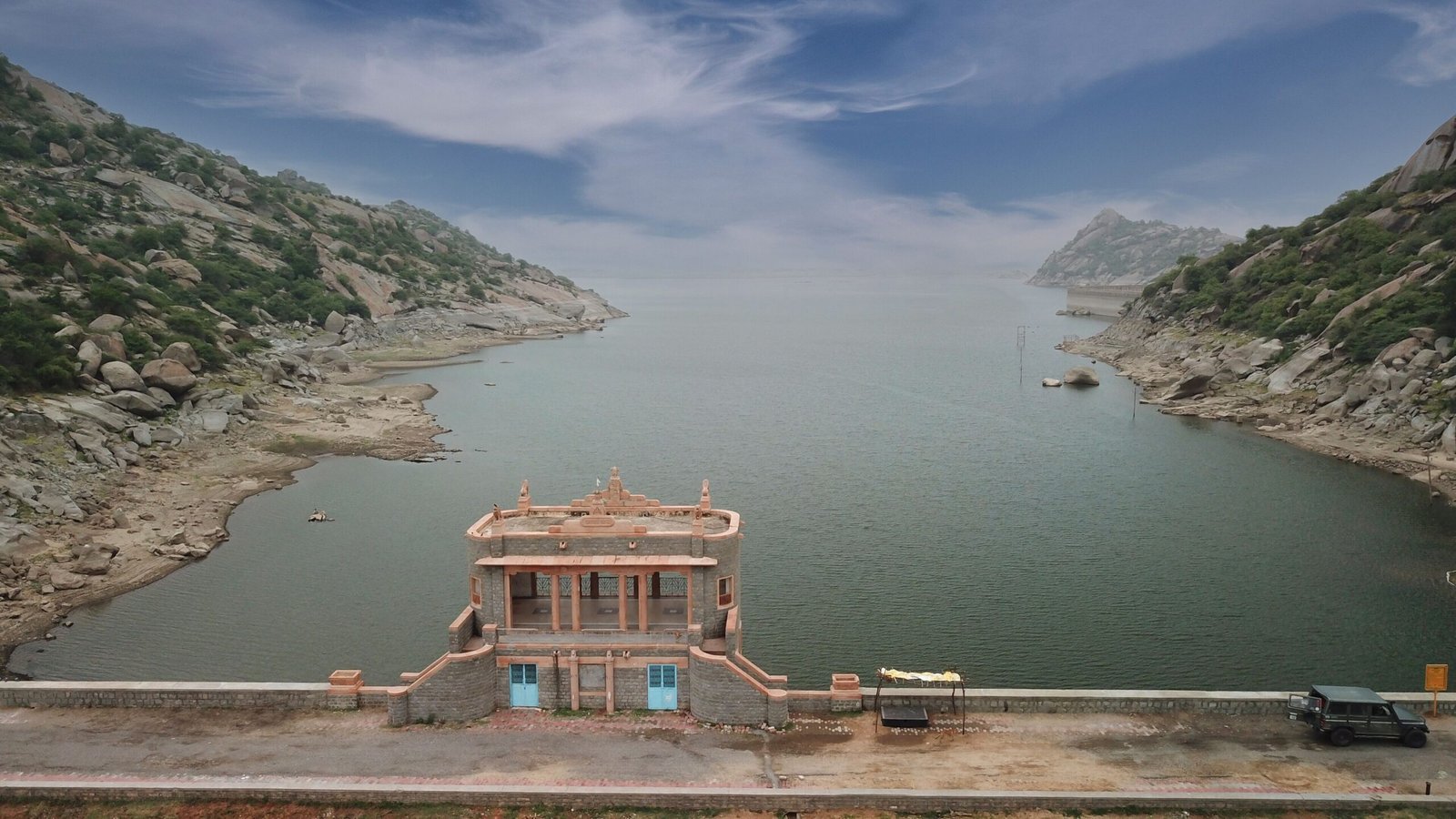
- 10:30 AM: Visit the vast Jawai Bandh reservoir, an essential sanctuary attracting large populations of mugger crocodiles basking on sandy shores alongside migratory avian species like bar-headed geese, flamingos, and pelicans.
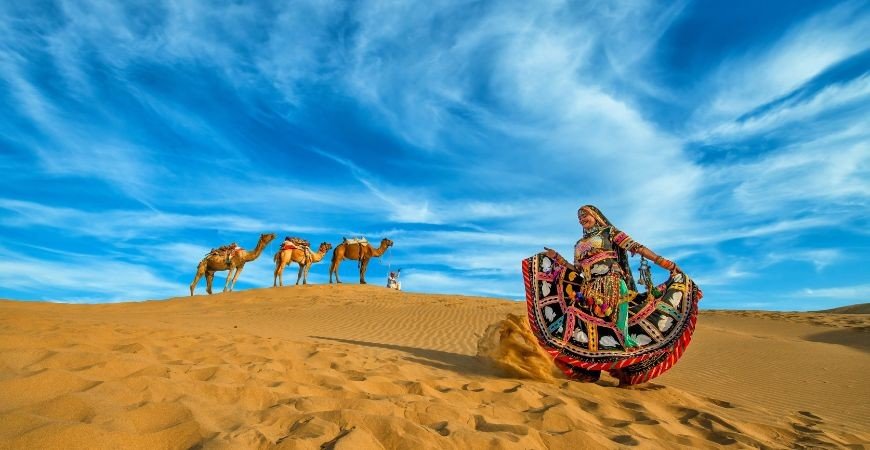
- 12:30 PM: Engage in an escorted walk through a nearby pastoral hamlet to learn about the Rabari community’s generations-long conservation ethos and pastoral lifestyle.
- 01:30 PM: Return for lunch and a brief rest during the hottest part of the afternoon.
Late Afternoon: Final Twilight Drive and Departure Prep
- 03:45 PM: Complete your final exploratory circuit through riverbed tracks and acacia woodlands, dedicated to photographing raptors and observing twilight wildlife dynamics.
- 06:30 PM: Conclude the safari circuits and prepare for departure or onward travel across Rajasthan.
Why This 2-Day Itinerary Suits Family Travelers
The gentle terrain, open visibility across granite hills, and predictable cave-dwelling habits of the wildlife make a Jawai family wildlife tour an educational, safe, and engaging option for guests of all ages. This focused two-day plan balances high-probability tracking sessions with relaxing scenic excursions and cultural learning.
Essential Practical Tips for Your Jawai Trip
- Best Travel Months: October through April offer pleasant daytime temperatures and cool mornings ideal for wildlife tracking.
- Recommended Attire: Pack neutral-toned clothing, sturdy walking footwear, and warm layered jackets for open-air dawn and evening drives.
- Photography Gear: A camera setup with a 200–600mm telephoto lens ensures clear images across granite slopes without encroaching on wildlife.
- Sustainable Field Etiquette: Follow your guide’s instructions at all times, maintain low noise levels near caves, and avoid flash photography around wildlife habitats.