Ranthambore National Park undergoes a dramatic transformation between July and September. The arid, dusty scrubland of the Aravali and Vindhya ranges softens into a verdant wilderness. For wildlife enthusiasts, nature photographers, and travelers seeking tranquility, visiting during the rainy season presents a unique opportunity. However, monsoon travel in a tiger reserve requires realistic expectations, practical planning, and an understanding of seasonal park regulations.
Here is an expert breakdown of what to expect, which safari gates remain functional, and how to plan an unforgettable monsoon getaway.
Understanding the Open Gates and Safari Zones in Monsoon
A common misconception among travelers is that Ranthambore completely shuts down during the rainy season. In reality, the forest department operates a zoned management system to balance tourism with wildlife conservation and habitat rejuvenation.
The Core Zones (Closed: Zones 1 to 5)
Zones 1 through 5 represent the central core of the national park, encompassing historic sites like Padam Talao, Raj Bagh, and the immediate periphery of the Ranthambore Fort. These zones are strictly closed from July 1st to September 30th each year. The closure serves critical ecological purposes: it allows forest tracks to recover from soil erosion, minimizes disturbance during the primary mating season of several species, and protects visitors from swollen seasonal nullahs and slippery terrain.
The Buffer Zones (Open: Zones 6 to 10)
Zones 6, 7, 8, 9, and 10 remain fully operational for tourism throughout July, August, and September. These buffer zones feature diverse topographies:
- Zone 6 (Kundanpura): Bordering the core area, featuring open grasslands, rocky hills, and high recorded tiger movements.
- Zone 7 (Chidikho) & Zone 8 (Balas): Characterized by steep gorges, scenic plateaus, and seasonal waterfalls.
- Zone 9 (Qual Ji) & Zone 10 (Aantri): Situated near the Chambal river basin, known for birdlife, sloth bear habitats, and tranquil forest drives.
Both morning and afternoon safari shifts are conducted in these outer zones via registered 6-seater Gypsies and 20-seater Canters, subject to daily weather and track stability.
Pros of Visiting Ranthambore in Monsoon
1. Spectacular Landscapes and Misty Hills
The dry deciduous dhok trees burst into rich green canopies within days of the first monsoon showers. Seasonal waterfalls emerge along the Aravali escarpments, notably near the Amreshwar Mahadev shrine and surrounding buffer cliffs. The interplay of rain, mist, and ancient ruins creates a dramatic backdrop for landscape photography.
2. Quiet, Crowd-Free Safaris
Peak season crowds vanish during the monsoon. With fewer vehicles permitted inside the buffer zones, safari drives feel intimate, peaceful, and immersive. You can spend extended time observing animal behavior without encountering long queues of safari vehicles.
3. Vibrant Birdlife and Active Herbivores
Monsoon triggers active foraging and breeding behaviors among avian species. Peacocks display their full plumage across meadows, while painted storks, kingfishers, crested serpent eagles, and migratory waterfowl congregate around brimming water bodies. Herds of spotted deer, sambar, and nilgai graze openly in the fresh pastures.
4. Better Value and Luxury Hospitality
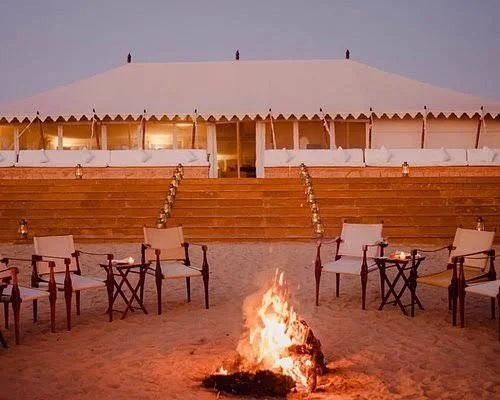
Monsoon offers travelers the chance to experience premier hospitality at relaxed pricing. Staying at the best resorts in Ranthambore allows guests to enjoy sprawling gardens, warm hospitality, and rain-washed wilderness views right from their private verandas.
Cons of Visiting Ranthambore in Monsoon
1. Lower Probability of Tiger Sightings
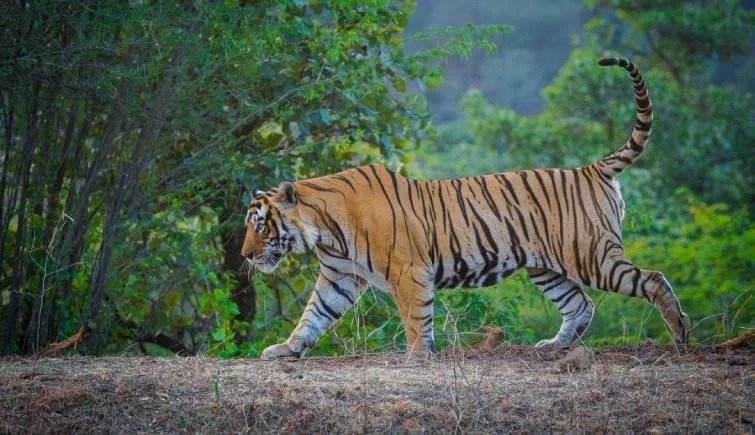
During the summer, water scarcity forces apex predators to congregate near predictable waterholes. In the monsoon, natural rainwater pools form across every ridge and ravine, scattering wildlife throughout dense undergrowth. While tiger sightings in Zones 6 through 10 certainly happen, they demand patience and seasoned tracking skills.
2. Weather Uncertainties and Safari Rescheduling
Heavy downpours can lead to slippery trails and temporary track waterlogging. The forest department reserves the right to delay or cancel individual safari shifts without prior notice if track safety is compromised.
3. Restricted Access to Historic Core Landmarks
Visitors hoping to drive past iconic landmarks like the Jogi Mahal or the water-lily beds of Rajbagh Lake will need to wait for the core zones to reopen in October.
Essential Tips for Planning Your Monsoon Trip
- Pack for Rain: Bring lightweight waterproof poncho jackets, dry bags for camera gear, and moisture-wicking clothing in earthy shades (olive, beige, khaki).
- Book Safari Slots Early: Because safaris are limited to five zones (6 to 10), seat inventory is reduced compared to winter months. Reserve your permits well in advance.
- Explore Beyond Safaris: Spend an afternoon visiting the historic 10th-century Ranthambore Fort, explore the ancient stepwells, or embark on a guided nature walk around local village trails.
- Opt for All-Inclusive Packages: Booking a structured itinerary such as a 2N 3D Couple Package Ranthambore ensures seamless airport/rail transfers, curated dining, comfortable accommodations, and scheduled safari arrangements without seasonal logistics stress.
Ranthambore in the monsoon is not about ticking off frantic predator sightings; it is an unhurried celebration of Rajasthan’s greenest season. For travelers who value nature, moody skies, and quiet luxury, the rainy months offer an enchanting perspective on one of India’s most storied tiger reserves.