Planning a journey into Rajasthan’s golden desert requires a thoughtful balance of architectural sightseeing, local heritage, and authentic desert hospitality. Known globally as the Golden City, Jaisalmer rises out of the Thar Desert with its iconic yellow sandstone structures, centuries-old trade routes, and living fortresses. To help you navigate this desert destination efficiently, here is an expertly curated, 3-day itinerary covering essential landmarks, immersive desert stays, and practical travel advice.
Day 1: Exploring the Living Golden Fort and Ancient Havelis
Morning at Jaisalmer Fort (Sonar Qila)
Begin your first day inside the heart of the city at Jaisalmer Fort. Unlike most historical fortresses across India, Sonar Qila is a living citadel where roughly one-fourth of the old city’s population still resides. Built in 1156 AD by Rajput ruler Rawal Jaisal, the fort features intricate multi-story residences, bustling alleyways, and carved stone temples.
- Raj Mahal (Palace Museum): Tour the royal quarters displaying period weaponry, royal artifacts, and rooftop viewpoints overlooking the entire township.
- Jain Temples: Explore the group of seven intricately carved yellow sandstone temples dating between the 12th and 15th centuries, dedicated to Jain Tirthankaras.
- Laxminath Temple: Visit the historic Hindu shrine renowned for its vibrant devotional atmosphere and delicate craftsmanship.
Afternoon at Patwon Ki Haveli and Salim Singh Ki Haveli
Descend the fort ramparts into the narrow streets below to visit the historic merchant mansions. The most prominent among them is Patwon Ki Haveli, a cluster of five separate mansions constructed by wealthy brocade merchants in the early 19th century. Its stone jali (lattice work) screens provided ventilation while shielding residents from intense desert heat. Follow this with a short walk to Salim Singh Ki Haveli, known for its distinctive peacock-shaped roof brackets and arched balconies.
Evening at Gadisar Lake
Conclude your afternoon along the tranquil banks of Gadisar Lake. Built by Maharawal Gadsi Singh in the 14th century, this man-made reservoir once supplied rainwater to the entire settlement. Take a peaceful rowboat ride around the carved sandstone shrines and watch the sun dip below the lake’s iconic Tilon Ki Pol gateway.
Day 2: Desert Expedition, Sand Dunes, and Cultural Heritage
Morning Visit to Bada Bagh and Kuldhara Village
Start early on your second morning by heading outside the city center toward the Thar Desert:
- Bada Bagh: A serene royal memorial complex featuring stone chhatris (cenotaphs) built in honor of the royal rulers of Jaisalmer, offering quiet morning light for photography.
- Kuldhara Abandoned Village: Explore the 13th-century ruins of an ancient Paliwal Brahmin settlement abandoned overnight in the 19th century, preserved today as an evocative historical site.
Afternoon & Night: Sam Sand Dunes Stay
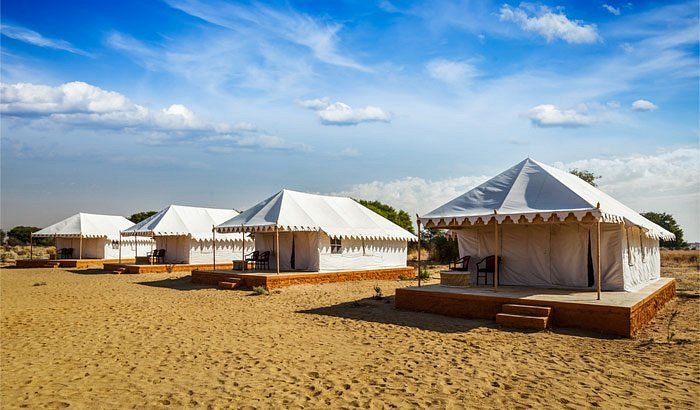
By mid-afternoon, transition toward the vast rolling dunes of the Thar. A high-quality desert expedition should combine outdoor adventure with authentic local comfort. Booking a stay at a recognized luxury desert camp in jaisalmer allows travelers to experience desert life without compromising modern amenities.
Upon arriving at your campsite, choose well-appointed accommodations such as spacious deluxe tents in jaisalmer, which provide private attached washrooms, comfortable bedding, and insulation against chilly desert nights.
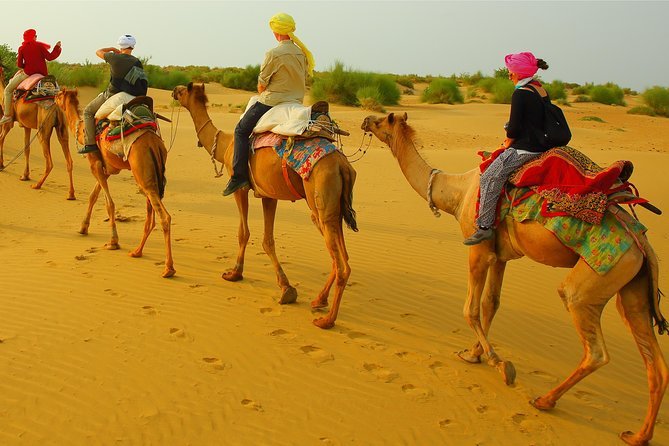
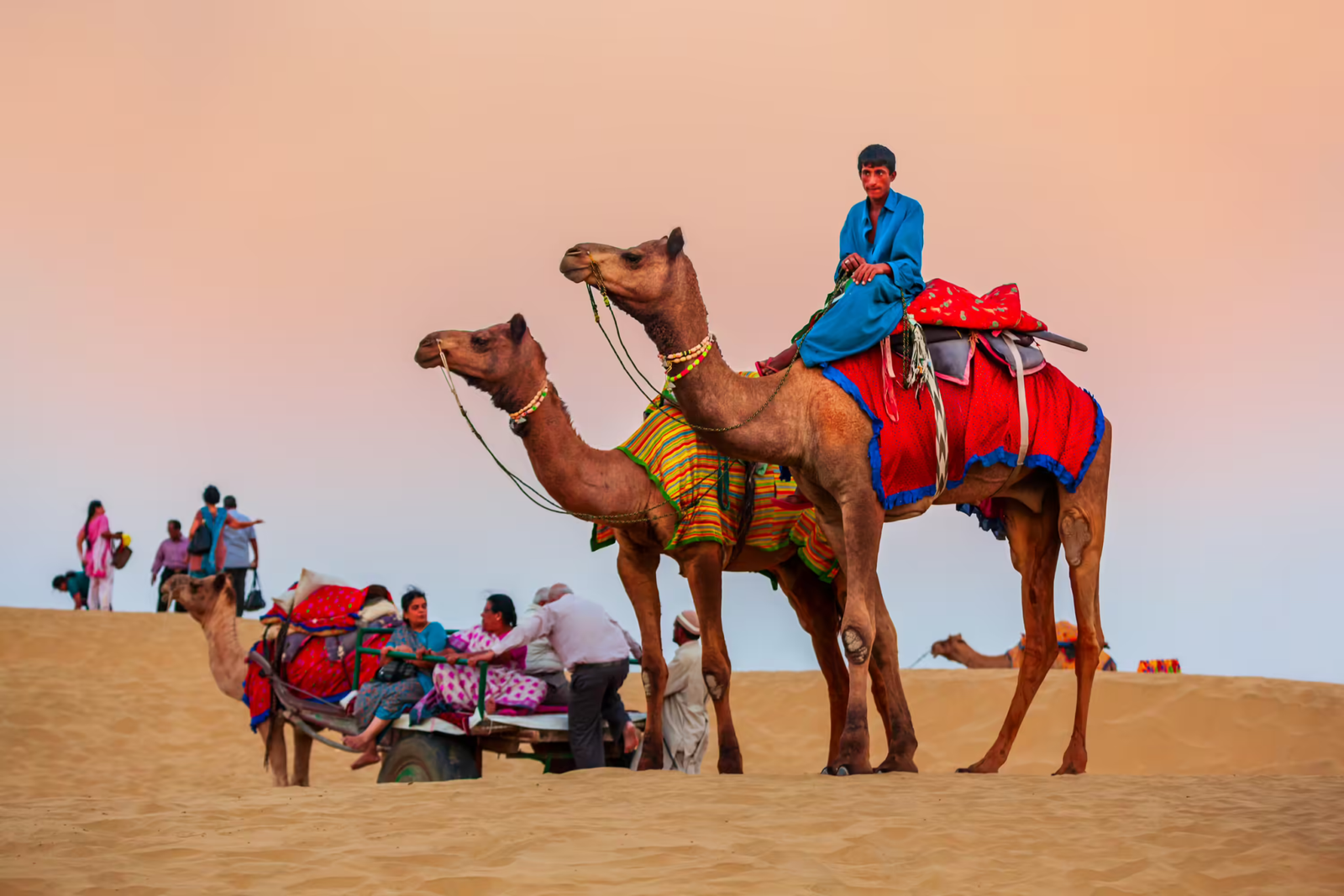
Take a guided camel safari or an open-top 4×4 dune bashing excursion across the Sam Sand Dunes during the golden hour. As evening falls, gather around the desert courtyard to witness an authentic culture event in jaisalmer featuring Kalbelia folk dancers, traditional Manganiyar musicians, and local Rajasthani dinner by the campfire.
Day 3: Desert National Park and Local Market Exploration
Morning Wildlife Excursion at Desert National Park
Dedicate your final morning to the rugged ecosystem of the Desert National Park. Covering more than 3,000 square kilometers, this fragile habitat supports diverse desert wildlife:
- Great Indian Bustard: Spot one of the world’s most endangered avian species in its natural grassland environment.
- Desert Predators & Ungulates: Observe Indian foxes, desert cats, chinkara (Indian gazelle), and imperial sandgrouse across the semi-arid terrain.
- Wood Fossil Park: Visit Akal Wood Fossil Park on the return drive to view 180-million-year-old fossilized tree trunks from the Jurassic geological era.
Afternoon Souvenir Shopping in Local Bazaars
Return to the walled city for a leisurely afternoon exploring traditional markets:
- Manak Chowk & Sadar Bazaar: Shop for mirror-work textiles, embroidered camel leather goods, and regional block-printed fabrics.
- Bhatia Bazaar: Browse handcrafted brass ornaments, carved wooden handicrafts, and locally made sandstone souvenirs.
Top Travel Tips for Jaisalmer
- Best Travel Season: Visit between October and March when daytime temperatures stay between 20°C and 28°C, avoiding the extreme summer heat.
- Clothing Strategy: Pack breathable cotton layers for sunny daytime sightseeing, paired with a warm jacket or woolens for chilly desert nights where temperatures drop sharply.
- Hydration and Sun Safety: Always carry reusable water bottles, apply broad-spectrum sunscreen, and wear protective headwear during outdoor desert walks.
- Permits and Local Etiquette: Respect active religious spaces inside the fort and shrines by dressing modestly and removing footwear prior to entering temple premises.