Monsoon transforms the rugged, arid topography of Rajasthan into a striking, emerald-hued paradise. While conventional national parks across India close their gates due to flooding, the unique geological formation of Jawai offers a completely different story. Structured around billion-year-old volcanic granite formations, the rainwater quickly drains off the steep rocky slopes, making the terrain accessible even during the wet months. Visiting during the rainy season provides an opportunity to witness a rare ecological balance, minus the typical tourist rush.
Exploring the wilderness during this period requires a strategic approach to maximize your travel experience. Selecting a well-positioned resort in jawai acts as your anchor, ensuring you have experienced trackers and comfortable, all-weather 4×4 vehicles at your disposal.
The rain brings distinct transformations to the region, creating unique vantage points and natural attractions that you should include in your travel itinerary.
The Monsoonal Wonders of Jawai
1. Jawai Bandh (The Reservoir Overlook)
As one of the largest water reservoirs in western Rajasthan, the Jawai Dam becomes the focal point of the region’s monsoon transformation. Heavy showers cause the water levels to swell, transforming the surrounding dry riverbeds into expansive wetlands. The view from the concrete ramparts offers a striking contrast between the vast water sheet and the dark, glistening granite cliffs. Photographers often favor this location during the afternoon, as overcast skies create a dramatic backdrop against the deep blue water.
2. The Granite Caves of the Jawai Hills
The prehistoric rock formations that define Jawai assume a dark, polished aesthetic when drenched by monsoon rain. These hills are honeycombed with natural cave systems that serve as dry shelters for local wildlife. While tracking during the rains requires patience, the cooler daylight temperatures encourage predators to venture out onto the lower ledges. Observing these ancient rocks covered with patches of fresh green moss provides a distinct visual perspective compared to the parched winter months.
3. Crocodile Point and the Wetlands
Located along the shallow edges of the main reservoir, Crocodile Point offers an excellent look at the resident mugger crocodiles. During the monsoon, these large reptiles frequently pull themselves onto the wet rocks or sandy banks to regulate their body temperature. The surrounding marshy patches also become vibrant feeding grounds for resident wetland birds, offering clear sightings without the dense crowds found during peak winter tourism.
4. Devgiri Cave Temple
Perched high within a monolithic granite hill, the Devgiri Temple is dedicated to the local deity, Mother Chamunda. The climb up the stone steps during the rainy season rewards you with panoramic views of the green valleys below. What makes this spot scientifically fascinating is its shared occupancy; the local leopards frequently use the dry cave recesses surrounding the active temple complex. This site perfectly illustrates the historic, non-conflict relationship shared between the wildlife and the local communities.
Wildlife and Photography Dynamics in the Rain
The monsoon alters animal movement patterns, making the expertise of your naturalist highly critical. Unlike the dry summer months when animals congregate strictly around fixed water holes, the rainy season distributes water across the landscape.
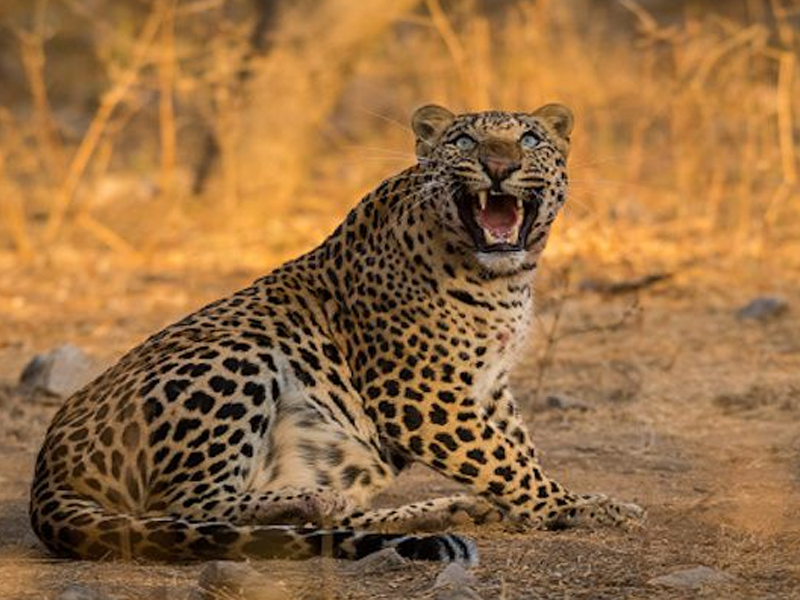
A standard Jawai Leopard Safari during this season focuses heavily on scanning the mid-level cave openings and sheltered rock overhangs where big cats seek refuge from heavy downpours. The absence of dust in the atmosphere results in high-clarity landscape photography, with the vibrant green vegetation contrasting beautifully against the spotted coats of the leopards.
Planning Your Monsoon Wilderness Excursion
Traveling during the rainy season offers distinct advantages, including highly customized attention from field guides and peaceful, uncrowded tracks. However, since the weather demands flexible scheduling and specialized transport logistics, booking an end-to-end itinerary remains the most practical choice. Selecting a comprehensive Jawai leopard safari package simplifies your trip by pairing luxury tented accommodations with scheduled 4×4 field safaris, meals, and experienced local trackers.
Monsoon Travel Tip: Always pack quick-drying, earth-toned apparel and high-quality waterproof covers for your camera gear. While the rocky terrain prevents heavy mud accumulation, rural tracks can occasionally become slick, requiring seasoned local drivers who understand the seasonal changes of the landscape.